
1. Executive Summary
Lough Neagh in Northern Ireland has been affected by recurring cyanobacterial blooms since 2023. The Food Standards Agency (FSA) had been asked to undertake an updated risk assessment for the consumption of fish caught from the Lough, between May 2024 and February 2025. The updated assessment only considered new analyses of fish samples caught during this period.
Samples of perch, pollan, bream, trout, roach and eel were collected. Fish (except roach) were processed to separate the edible flesh, gastrointestinal (GI) tract and liver before testing. Roach were also sampled and tested whole as the FSA was advised that these fish were being used whole for animal feed and not entering the human food chain.
The samples were tested for free microcystins, nodularins, cylindrospermopsins, anatoxins and saxitoxins, and also for total concentrations of microcystins and nodularins, including free and protein-bound.
Traces of a free microcystin were detected in some edible flesh samples from bream, eel, perch and pollan. Higher concentrations of total microcystins/nodularins were detected in several edible flesh samples from perch and eel.
The risk assessment was conducted based on the measurements of total microcystins/nodularins in perch and eel. Estimated long-term dietary intakes were within a provisional tolerable daily intake (TDI) established by the World Health Organization (WHO). While a single result in perch flesh could result in a short-term exceedance of the provisional TDI, the provisional TDI was established to be protective of long-term exposure, and short-term intakes from the consumption of edible flesh from this sample of perch would be within a short-term health-based guidance value.
Microcystins were also widely detected in liver and GI tract samples and cylindrospermopsins were also detected in some of these samples. Since fish may be caught and prepared for consumption not only by food business operators but by recreational anglers, concern has been raised that evisceration may be incomplete or the edible flesh may become contaminated in the process, and therefore this was also considered in the risk assessment.
Estimated intakes of microcystins/nodularins from the consumption of incompletely eviscerated fish were within the WHO provisional TDI. Estimated intakes of cylindrospermopsins were well within a provisional TDI established by the WHO for cylindrospermopsin. However, cylindrospermopsin has recently been confirmed to be genotoxic in vivo. While no threshold can be assumed for this effect, the estimated intakes were also below the threshold of toxicological concern (TTC) for genotoxic chemicals, which indicates a low probability of adverse effects.
Overall, exposure to microcystins/nodularins from eating the edible flesh of the tested fish species would not be expected to cause adverse effects in consumers, including if the fish is inadequately eviscerated. Similarly, potential exposure to cylindrospermopsins due to inadequate evisceration poses a low probability of adverse effects. Therefore, we consider the frequency of adverse reactions in the general population to be negligible, so rare that it does not merit to be included.
Based on the possible levels of exposure to microcystins/nodularins, it is considered that any liver injury, were it to occur in consumers of fish, would result from long term exposure and be mild. Overall, we consider the severity of illness that could potentially occur as a result of exposure to microcystins from consuming edible fish flesh from Lough Neagh to be low.
Since cylindrospermopsin is genotoxic, the cylindrospermopsins would have potential effects including carcinogenicity (see section 7) if there is exposure to them through incomplete evisceration of fish. Therefore, we consider the severity of illness that could potentially occur from any exposure to cylindrospermopsins to be high. However, this should be interpreted together with the negligible frequency of adverse effects expected. Overall, we consider the probability of illness due to microcystin or cylindrospermopsin to be negligible.
We consider the level of uncertainty to be medium (i.e. there are some but no complete data available), but that this does not affect the conclusion of the risk assessment since many of the key uncertainties are addressed within the risk assessment. However, future monitoring would be useful to assess whether concentrations of toxins in the fish, particularly in the edible flesh, change over time.
2. Statement of Purpose
The aim of the risk assessment is to replace a previous risk assessment for the consumption of fish caught from Lough Neagh, Northern Ireland, which has been affected by recurring cyanobacteria blooms, based on new analyses of fish samples caught between May 2024 and February 2025.
Samples of eels, perch, pollan, trout and bream were collected and the edible flesh, GI tracts and livers were analysed for microcystins and nodularins, anatoxins, cylindrospermopsins and saxitoxins. Roach were also sampled; however, these were tested whole as the FSA was advised that these were being used whole for animal feed and not entering the human food chain.
Microcystins were widely detected in liver and GI tract samples, and in some flesh samples from bream, eel, perch and pollan. No other toxins were detected in edible flesh samples; however, cylindrospermopsins were detected in several samples of liver and GI tract from eels.
This risk assessment has been produced to consider the risks from eating the edible flesh of fish. It has been assumed that the concentrations of cyanobacterial toxins present in samples of fish taken in 2024-25 are reflective of long-term levels in fish flesh and therefore long-term dietary exposure.
This risk assessment also includes a consideration of the potential risks from microcystins or cylindrospermopsins if evisceration of fish is inadequate or incomplete.
3. Background
Sampling in 2023
Lough Neagh in Northern Ireland was affected by a cyanobacterial bloom in summer-autumn 2023 and again in 2024. The FSA previously published a risk assessment for consumption of the edible flesh of eels, roach, perch, pollan and bream following a sampling programme undertaken in Autumn 2023 and the analysis of fish samples for a range of cyanobacterial toxins including microcystins and nodularins, cylindrospermopsins, anatoxins and saxitoxins (FSA, 2024). The fish were dissected before analysis. No toxins were detected in edible flesh. However, microcystins were widely detected in other parts of the fish, primarily the liver and GI tract. A risk assessment was undertaken for the consumption of edible flesh. This used an upper bound approach, since microcystins had been reported in the scientific literature to occur also in fish flesh, albeit at lower levels than in liver or GI tract. Therefore, it is possible that microcystins were present in edible flesh at levels below the reporting limit for the analytical method, which was at that time 10 µg/kg for total microcystins/nodularins. Since fish may be caught and prepared for consumption not only by food business operators but by recreational anglers, the risk assessment also considered a scenario of contamination due to incomplete evisceration.
New sampling programme
Further monitoring was conducted in 2024/25, with samples collected between May 2024 and February 2025. A total of 116 samples of perch, pollan, bream, trout, roach and eels were tested. Each sample contained ten individual fish where possible, although in some cases the sample sizes were smaller due to insufficient fish being available. Fish were processed to separate the edible flesh, GI tract and liver before testing, except for roach, which were tested whole as roach are eaten whole by animals.
The samples were tested by liquid chromatography-tandem mass spectrometry (LC-MS/MS) for free microcystins, nodularins, cylindrospermopsins, anatoxins and saxitoxins. The samples are summarised in Table 1.
Of the free microcystins and nodularins, a total of nine microcystins (dmMC-RR, MC-RR, MC-YR, dmMC-LR, MC-LR, MC-LY, MC-LA, MC-LW and MC-LF) and one nodularin were analysed for. Samples were also sent to another laboratory where they were analysed by a method which aims to measure the total concentrations of microcystins and nodularins, that is the sum of both free and protein-bound. The method targets 3-methoxy-2-methyl-4-phenylbutyric acid (MMPB), which is a fragment of the amino acid ADDA ((2S,3S,4E,6E,8S,9S)-3-amino-9-methoxy-2,6,8- trimethyl-10-phenyldeca-4,6-dienoic acid), and is released from the microcystin or nodularin by oxidation (Foss et al., 2020; Foss & Aubel, 2015). The MMPB was measured using LC-MS/MS and used as a proxy for the total microcystin/nodularin content. The oral bioavailability of microcystins which are covalently bound to protein has previously been uncertain. However, one study, in which mice were fed protein-bound microcystins in fish flesh from which free microcystins had been extracted, reported concentrations of free microcystins in the liver and blood of the mice, indicating that they are bioavailable (Mohamed et al., 2018). Whilst this study was not a complete toxicology study, it included clinical chemistry evaluations, which indicated adverse effects on the liver, consistent with microcystin toxicity.
Results
The results of the new testing programme are summarised below for each species of fish sampled.
Bream
A trace level of one free microcystin, dmMC-RR, was detected in the edible flesh of one sample of bream, at below the LOQ of 2.5 µg/kg.
Total microcystins/nodularins were below the reporting limit (LOQ) of 5 µg/kg in the edible flesh of all samples.
The free microcystin dmMC-LR was detected in liver from 6 samples, all at levels below the LOQ of 10 µg/kg, and MC-YR was detected in liver from 1 sample at below the LOQ of 7.5 µg/kg.
Total microcystins/nodularins were measured in all 19 liver and all 19 GI tract subsamples, at concentrations ranging from 90-320 µg/kg in liver and 14-190 µg/kg in GI tract.
Eel
Traces of the free microcystin dmMC-RR were detected in the edible flesh of 3 samples of eel, at below the LOQ of 2.5 µg/kg.
Total microcystins/nodularins were found in the edible flesh of 6 samples, at concentrations ranging 5.7-28 µg/kg.
The free microcystin dmMC-RR was detected in liver from 3 samples, all at levels below the LOQ of 5 µg/kg, and dmMC-LR was detected in liver from 1 sample, at below the LOQ of 10 µg/kg. Free MC-LR was detected in GI tract from 3 samples, at concentrations ranging 12-16 µg/kg.
Total microcystins/nodularins were measured in all 22 liver and all 22 GI tract subsamples, at concentrations ranging 88-1400 µg/kg in liver and 9.7-260 µg/kg in GI tract.
Cylindrospermopsin was detected in liver from 6 samples at concentrations ranging from below the LOQ of 2.6 µg/kg to 10 µg/kg. 7-Deoxy-cylindrospermopsin was detected in liver from 3 samples at concentrations ranging from below the LOQ of 5 µg/kg to 7.1 µg/kg, and in GI tract from 3 samples at below the LOQ of 40 µg/kg.
Perch
Traces of the free microcystin dmMC-RR were detected in the edible flesh of one sample of perch, at below the LOQ of 2.5 µg/kg.
Total microcystins/nodularins were found in the edible flesh of 2 samples of perch, at concentrations of 6.6 and 61 µg/kg, respectively.
The free microcystin dmMC-LR was detected in liver from one sample, at below the LOQ of 10 µg/kg, and MC-YR was detected in GI tract from one sample, at below the LOQ of 15 µg/kg.
Total microcystins/nodularins were measured in all 23 liver and all 23 GI tract subsamples, at concentrations ranging 20-150 µg/kg in liver and 7.1-100 µg/kg in GI tract.
Pollan
Traces of the free microcystin dmMC-RR were detected in the edible flesh of one sample of pollan, at below the LOQ of 2.5 µg/kg.
Total microcystins/nodularins were below the reporting limit (LOQ) of 5 µg/kg in the edible flesh of all 11 samples.
The free microcystin dmMC-LR was detected in the liver from one sample, at below the LOQ of 10 µg/kg.
Total microcystins/nodularins were measured in all 10 liver subsamples tested, at concentrations ranging 52-150 µg/kg, and in 9 of the 10 GI tract subsamples tested, at concentration ranging 7.8-58 µg/kg.
Trout
No free microcystins were detected in the edible flesh of trout.
Total microcystins/nodularins were below the reporting limit (LOQ) of 5 µg/kg in the edible flesh of all 18 samples.
Total microcystins/nodularins were measured in 17 out of the 18 liver subsamples, at concentrations ranging 8.1-40 µg/kg, and in 16 out of the 18 GI tract subsamples, at concentrations ranging 5.5-48 µg/kg.
Roach
No free microcystins were detected in whole roach.
Total microcystins/nodularins were measured in 12 out of the 23 samples, at concentrations ranging 5.6-70 µg/kg.
Anatoxin-a was detected in one sample, below the LOQ of 5 µg/kg.
Summary of results
In contrast to the results from 2023, traces of a free microcystin, dmMC-RR, were detected in a number of edible flesh samples from bream, eel, perch and pollan, all at levels below the LOQ of 2.5 µg/kg, and two samples of perch muscle and six samples of eel muscle contained total microcystins/nodularins (free + protein-bound) at or above the reporting limit (LOQ) of 5 µg/kg. The reporting limit of 5 µg/kg for total microcystins/nodularins is lower than for the previous sampling programme in 2023.
Free microcystins were also detected in various liver and GI tract subsamples, and the analyses for total microcystins/nodularins detected these toxins in the majority of liver and GI tract samples, with only three GI tract samples (from pollan and trout) and one liver sample (from trout) testing below the LOQ of 5 µg/kg.In addition, twelve samples of eel liver or GI tract contained detectable levels of cylindrospermopsins (cylindrospermopsin or 7-deoxy-cylindrospermopsin; 7-epicylindrospermopsin was not detected).
One sample of whole roach contained a detected trace of anatoxin-a, below the LOQ of 5 µg/kg. Roach were tested whole as they were being supplied into the zoo animal feed chain and not supplied for human consumption.
4. Hazard Identification
The toxicology of microcystins and cylindrospermopsin and its variants have recently been reviewed in relation to the establishment of drinking water quality guidelines (WHO, 2020b, 2020c). In addition, the genotoxicity of cylindrospermopsin has been evaluated recently by the Dutch National Institute for Public Health and the Environment (RIVM) (RIVM, 2020). A detailed literature review on the occurrence and toxicity of cyanobacterial toxins in food was also published by Testai et al. (2016). These documents were the primary sources used to summarise the toxicity of these substances and to identify the key studies, which are described in the sections below.
Microcystins
Microcystins are the most commonly reported cyanobacterial toxins worldwide and the most studied. One of the most common microcystins is microcystin-LR (MC-LR), though over 250 microcystins have been identified (WHO, 2020c). MC-LR is also the microcystin that has been most studied toxicologically and is amongst the most potent.
The main target organ for toxicity of the microcystins is the liver, though other organs may also be affected (WHO, 2020c). MC-LR did not induce gene mutations in bacterial cells or chromosome aberrations in mammalian cells in vitro, although an increased frequency of polyploid cells was observed in mammalian cells, which indicated that it may be aneugenic (International Agency for Research on Cancer (IARC), (2010)). However, neither MC-LR nor cyanobacterial extracts increased micronucleus formation in cultured human lymphocytes, indicating neither clastogenic nor aneugenic effects (Abramsson-Zetterberg et al., 2010). Evidence suggests that MC-LR may act as a tumour promotor in the liver and possibly other tissues (IARC, 2010; WHO, 2020c). MC-LR is classified by IARC as possibly carcinogenicity to humans (Group 2B) based on studies in rats and mice in which it promoted the development of pre-neoplastic lesions (IARC, 2010). Developmental toxicity studies in mice did not identify adverse effects. A number of studies reported adverse effects on male and female reproductive organs. However, these studies mainly used intraperitoneal (i.p.) dosing, which can lead to much higher internal exposures than would be achieved by oral dosing. In addition it was noted that several recent studies which used oral dosing had methodological and reporting deficiencies (WHO, 2020c). Therefore, further reproductive toxicity data would be required to confirm the adverse effects and identify dose-response relationships. Only limited data are available on potential neurological, immune and haematological effects.
The mode of action is inhibition of protein phosphatases, resulting in destabilisation of the cytoskeleton and microtubules (WHO, 2020c). This results in altered cellular function, followed by apoptosis and necrosis. At low doses, inhibition of the protein phosphatases results in cellular proliferation, hepatic hypertrophy and tumour promotion activity.
Key studies in laboratory animals
For full reviews of the toxicology data on microcystins see Testai et al. (2016) or WHO (2020c). The following summarises key studies of value for risk characterisation.
Heinz (1999) administered doses of 0, 50 and 150 µg/kg bw/day MC-LR to groups of 10 male rats (adult male F1 hybrid rats of two strains (female WELS/Fohm x male BDIX)) via their drinking water for 28 days. Relative liver weights were increased by 17% and 26% in the low and high dose groups, and absolute liver weights were also reported to be increased. Liver lesions were observed in both treatment groups, with slightly greater severity in the high dose group. Levels of alkaline phosphatase (ALP) and lactate dehydrogenase (LDH) were increased in both treatment groups, while there were no changes in alanine aminotransferase (ALT) or aspartate aminotransferase (AST). A no observed adverse effect level (NOAEL) was not identified from this study. The low dose level of 50 µg/kg bw/day is considered the lowest observed adverse effect level (LOAEL).
In order to assess the potential risk to humans from exposure to microcystin-LR, Fawell et al. (1999) carried out a series of in vivo studies to assess the effects of (i) repeated dosing over 90 days and (ii) the potential for teratogenicity.
In the 90 day repeat dose study Fawell et al. (1999) administered MC-LR by oral gavage to groups of 15 male and 15 female mice (Cr1:CD-1(ICR)BRstrain (VAF plus)) at dose levels of 0, 40, 200 and 1000 µg/kg bw/day. All mice were examined daily for signs of clinical toxicity. Bodyweights and food consumption were measured weekly, and eye examinations were conducted at the start and end of the study. Blood samples were taken during the final week for haematological and clinical chemistry analyses. Histopathological analyses were conducted on all tissues from control and high dose group animals, and on the lungs, liver and kidneys from the other dose groups, with particular focus on any gross lesions observed at necroscopy. Histopathological changes were only observed in the liver and were reported to be multifocal minimal/slight chronic inflammation with deposits of haemosiderin and multifocal single hepatocyte degeneration throughout the liver lobule. These were mainly observed in the high dose group with less marked lesions in smaller numbers of animals in the mid-dose group. There were no changes observed in the low dose or control groups. Haematological changes were limited to small but significant increases in mean haemoglobin concentration, red cell counts and packed cell volume in females in the high dose group. A number of changes in blood chemistry parameters were observed in the mid and high dose groups, including high plasma alkaline phosphatase levels in both sexes at the top dose, raised transaminases in both sexes at the top dose and in males at the mid-dose, and reductions in plasma albumin and total protein levels in males only at the mid and high doses. The NOAEL was concluded to be 40 µg/kg bw/day.
In the developmental toxicity study (Fawell et al., 1999) of MC-LR in mice (Cr1:CD-1(ICR)BRstrain (VAF plus)), mice were dosed by oral gavage at 0, 200, 600 or 2000 µg/kg bw/day on days 6-15 of gestation. The dose level of 2000 µg/kg bw/day was selected as it had been shown to cause maternal toxicity in a small dose range finding study, and the dose level of 200 µg/kg bw/day was selected as being the likely NOAEL for maternal toxicity. Substantial maternal toxicity was observed at the top dose, including deaths of 7/26 dams, and a further two dams were humanely euthanised. These dams also showed macroscopic changes to the livers. Surviving dams showed no clinical signs or effects on food consumption or body weight. Fetal body weight was reduced compared to controls and delayed skeletal ossification was observed. However, there was no evidence of embryolethality, and the numbers of implantations and live fetuses were unaffected. No treatment-related increases in the incidence of major or minor external, visceral or skeletal fetal abnormalities were apparent. There were no maternal or developmental effects apparent in the low or mid-dose groups and therefore the NOAEL was 600 µg/kg bw/day for both maternal and developmental toxicity.
Ueno et al. (1999) conducted a chronic toxicity study in which groups of 20 six-week-old female BALB/c mice were administered microcystin-LR in their drinking water at concentrations of 0 and 20 µg/L for 18 months. There were no clinical signs of toxicity or treatment-related effects observed on survival, body weight, food or water consumption, haematology or histopathology. A statistically significant increase in serum cholesterol (22%) was observed at month 18, but not months 3, 6 or 12. The toxicological significance of this was considered uncertain as it was a single finding and not associated with any other treatment-related changes. In addition, immunohistochemical analysis did not indicate hepatic MC-LR accumulation. The 20 µg/L group was stated to have received a total dose over the 18 months of 35.5 µg/mouse. Based on the adult mean body weight reported of 26.68 g and the 567 days of dosing, this is approximately equivalent to a dose level of 2.3 µg/kg bw/day (WHO, 2020c).
These studies are summarised in Table 2.
Key human data
During the early part of 1981, the reservoir supplying water to the Armidale region of Australia was affected by a large bloom of Microcystis aeruginosa, a cyanobacteria which produces microcystins, which was treated by the addition of copper sulphate to the water supply. Clinical and plasma enzyme data were collected from all patients treated at the regional hospital for three time periods: a five week period before the first signs of the bloom appeared, the two week period after copper sulphate treatment and a final five week period. The results were also compared between residents of Armidale receiving water from the affected source and those outside the city and in neighbouring towns who had independent water sources. Analysis of variance showed a statistically significantly higher gamma-glutamyltransferase (GGT) level during the two-week period of the bloom, only in Armidale residents. ALT also appeared to show an increase in activity in samples from Armidale residents compared with residents with other water sources, but this did not reach statistical significance. The authors concluded that the evidence indicated an increase in liver damage among the population of Armidale during the period of a bloom (Falconer et al., 1983). No exposure data are available from this study.
An outbreak of acute liver failure occurred at a dialysis clinic in Caruaru, Brazil in 1996. The dialysis water was found to be contaminated with microcystins and cylindrospermopsin, and the microcystins were considered likely to be the major factor, specifically MC-YR, MC-LR and MC-AR (Carmichael et al., 2001). Out of 131 patients treated, 116 experienced visual disturbances, nausea and vomiting, and subsequently 100 developed acute liver failure, of which 76 died. Analyses of liver samples from 39 of the patients who died identified the presence of MC-YR, MC-LR and MC-AR, and the mean concentration of total microcystins was 223 ng/g. This was compared with a concentration of 125 ng/g MC-LR measured in the livers of mice dosed with a lethal dose of microcystin-LR by i.p. injection.
A second event occurred at a dialysis clinic in Rio de Janeiro, Brazil in 2001. A survey identified a microcystin concentration 0.32 µg/L in the activated carbon filter used as an intermediate treatment step to prepare dialysate, and a concentration of 0.4 µg/L was measured in the source water (Hilborn et al., 2013). Out of 44 dialysis patients potentially exposed, 12 were followed up for a period of 8 weeks as they were found to have detectable serum concentrations of microcystins. The median serum concentration in these patients was 0.33 ng/mL. Levels of AST, ALT, GGT, ALP and bilirubin exceeding their reference ranges were frequently observed throughout the 8 weeks. These were considered consistent with mild to moderate liver injury. In addition, decreased prothrombin time was statistically significantly associated with increased serum microcystin concentration.
Cylindrospermopsins
Cylindrospermopsin and its variants are produced by strains of various species of cyanobacteria, primarily in freshwater environments. Drinking water is a recognised potential exposure route, as is recreational activity in lakes affected by blooms. Limited data also indicate its presence in some food products such as fish, shellfish and supplements (Testai et al., 2016; WHO, 2020b).
The liver and kidneys appear to be the major target organs of toxicity. Morphological changes to erythrocytes and genotoxic effects in vitro and in vivo have also been reported. The available toxicological data are more limited for cylindrospermopsins than for MC-LR. There are no reproductive toxicity studies available, and while several developmental toxicity studies have been conducted, most used i.p. dosing. There are a limited number of studies using high purity, well-characterised toxins, with most studies testing extracts of the cyanobacterium Raphidiopsis raciborskii or poorly characterised toxin preparations (WHO, 2020b). There are no chronic toxicity studies available, and no oral dosing studies comparing cylindrospermopsin and its variants.
The mode of action of cylindrospermopsins has not been fully elucidated. However, there is evidence that inhibition of protein synthesis contributes to the hepatotoxicity observed (WHO, 2020b).
Key studies in laboratory animals
Humpage and Falconer (2003) conducted two studies. In the first, groups of male mice (Swiss albino mice) were administered a cylindrospermopsin-containing cyanobacterial extract (Cylindrospermopsis raciborskii, now called Raphidiopsis raciborskii) in their drinking water for 10 weeks. In the second, groups of male mice were administered purified cylindrospermopsin by daily oral gavage for 11 weeks. Body weights were measured, organ weights were measured (liver, spleen, kidneys, adrenal glands, heart, testis, epididymis and brain), histopathological examinations of tissues were conducted, and urine, clinical chemistry and haematology analyses were performed. Group sizes were 10 mice, except for the control group in the first study (12 mice) and the highest dose groups in both studies (5 mice in the first study, at the highest dose estimated to be 687 µg/kg bw/day of cylindrospermopsin, and 6 mice in the second study at the highest dose of 240 µg/kg bw/day cylindrospermopsin).
In the first study, male mice (Swiss albino mice) reduced their liquid intake and became dehydrated at the highest dose, equivalent to 687 µg/kg bw/day, and this group was excluded from further analysis. The remaining dose levels were calculated by the authors to be equivalent to 0, 216, 432 and 657 µg/kg bw/day cylindrospermopsin. At the two highest of these dose levels, reduced body weights and decreased urine protein concentration (g/mmol creatinine) were observed, and at all dose levels increased relative liver and kidney weights, increased serum total bilirubin and decreased serum total bile acids were observed.
In the second study, the dose levels tested were 0, 30, 60, 120 and 240 μg/kg bw/day purified cylindrospermopsin. Relative kidney weights were increased at 60, 120 and 240 µg/kg bw/day, decreased urine protein concentration was observed at 120 and 240 μg/kg bw/day, and decreased urine specific gravity was observed at 120 µg/kg bw/day. Renal proximal tubular damage was observed at the top dose of 240 µg/kg bw/day. Increased relative liver weight was observed at 240 µg/kg bw/day, and histopathological changes (necrotic or inflammatory foci) described as “minor” were observed in the liver at 120 and 240 µg/kg bw/day. The authors considered the NOAEL to be 30 µg/kg bw/day, based on increased relative kidney weight as the most sensitive endpoint.
Chernoff et al. (2018) conducted a 90-day subchronic study in CD-1 (Swiss-Webster) mice of >95% pure cylindrospermopsin administered by oral gavage. The study protocol followed OECD test guideline 408. The dose levels tested were 0, 75, 150 and 300 µg/kg bw/day, administered to groups of 18-20 mice, divided equally between males and females. In addition to measurements of body and organ weights, clinical observations, gross pathology, histopathological investigation of any tissues showing gross changes, clinical chemistry and haematology analyses, gene expression analysis was conducted on a series of genes involved in various processes which were considered may be affected by cylindrospermopsin exposure.
Body weight was reduced at the top dose level in females only. Absolute and relative liver and kidney weights were increased at all doses in males; in females, absolute and relative liver weights and relative kidney weights were increased at 150 and 300 µg/kg bw/day. Increased absolute and relative testes weights were observed at the top dose. Clinical chemistry findings included increased ALT activity in males at the top dose level, increased ALP activity in females at the top dose level, and reduced blood urea nitrogen at all treated dose levels in males. Histopathological changes were observed in the liver and kidney. Findings in the liver included hepatocyte hypertrophy with cytoplasmic alteration in top dose males, hepatocyte death (random) in top dose males, hepatocyte death (centrilobular with inflammation) in mid-dose males, pigmentation of Kupffer cells in all male treated groups, and in females, hepatic cord architecture distortion at all treated doses, hepatic sinusoidal ectasia/haemorrhage in the mid- and high-dose groups, hepatocyte hypertrophy with cytoplasmic alteration in all treated groups, hepatocyte death (random) in the mid- and high-dose groups, hepatic inflammation (periportal) in the mid- and high-dose groups, pigmentation (hepatocyte intracytoplasmic/intracanalicular) in the top dose group and Kupffer cell pigmentation in all treated groups. In the kidneys, findings included tubule dilation, tubule basophilia and tubule epithelial cytoplasmic alteration in all treated male groups, tubule nuclear crowding in the mid- and high-dose group males, thinning of the outer medullar stripe in mid- and high-dose males, tubule epithelial cytoplasmic alteration of the outer stripe in all treated male groups, tubule intraluminal protein of the inner stripe in the mid- and high-dose male groups and tubule intraluminal protein in all treated male groups; in females findings were limited to tubule epithelial cytoplasmic alteration of the outer stripe in the mid- and high-dose groups. Since even the low dose group of 75 µg/kg bw/day resulted in observations including increased absolute and relative liver and kidney weights, decreased levels of blood urea nitrogen (BUN), signs of hepatic inflammation and histopathological damage to hepatic and renal tissues, a NOAEL could not be identified from this study.
To address uncertainties regarding the genotoxicity of cylindrospermopsin in vivo, a combined micronucleus test in bone marrow and Comet assay in stomach, liver and blood was performed in Wistar rats (Díez-Quijada et al., 2019). The micronucleus component followed OECD test guideline 474, while the Comet assay component followed OECD test guideline 489. Cylindrospermopsin of 98% purity was administered by oral gavage to groups of 5 male Wistar rats at dose levels of 0, 7.5, 23.7 or 75 µg/kg bw at 0 hours, 24 hours and 45 hours, with the animals sacrificed 3 hours following the final dose. The micronucleus test was clearly positive at all dose levels, though without a dose-response trend, while the Comet assay was negative. The ratio of polychromatic to normochromatic erythrocytes was statistically significantly increased at the top dose level, indicating exposure of the bone marrow. Histopathological changes were observed in stomach and liver samples at all dose levels, indicating exposure of these tissues.
In a follow-up study, the same authors tested a combination of cylindrospermopsin and MC-LR in a combined micronucleus test and Comet assay of similar design (Díez-Quijada et al., 2020). Groups of 5 male and 5 female Wistar rats were administered by oral gavage doses of 0 + 0, 7.5 + 75, 23.7 + 237 or 75 + 750 µg/kg bw cylindrospermopsin + MC-LR. Similarly to the study testing cylindrospermopsin alone, the micronucleus test was positive at all tested doses in both sexes. The Comet assay in stomach, liver and blood was negative. The ratio of polychromatic to normochromatic erythrocytes was statistically significantly increased at the top dose level in both males and females, indicating exposure of the bone marrow. Histopathological changes were observed in stomach and liver samples at the top dose level tested in both sexes, indicating exposure of these tissues.
These studies are summarised in Table 3.
Key human data
In November 1979, an outbreak of hepatoenteritis occurred in Palm Island, northern Queensland, Australia (Hawkins et al., 1985). The outbreak involved 148 people, mostly children, and most were hospitalised. It occurred following the treatment of Solomon dam, a drinking water source for the island, with copper sulphate to treat an algal bloom. An epidemiological investigation showed that only people who received water supplied from Solomon dam were affected, and people who received other water supplies were not. The outbreak was postulated to be due to algal toxicity. Some of the clinical signs and symptoms could be caused by high copper sulphate concentrations; however, as noted by WHO (2020b), this would have required higher concentrations of copper sulphate than are used as an algicide. The Queensland Department of Local Government commissioned a study of the water quality of the reservoir. This study identified two species of cyanobacteria as regular components of the phytoplankton in the water. These were two varieties of Anabaena circinalis and Cylindrospermopsis raciborskii (now called Raphidiopsis raciborskii). The varieties of Anabaena circinalis were shown to be non-toxic in laboratory animals, whereas Cylindrospermopsis raciborskii was shown to be hepatotoxic in mice. It was concluded that the evidence “quite strongly” implicated Cylindrospermopsis raciborskii as being responsible for the outbreak of hepatoenteritis (Hawkins et al., 1985). Cylindrospermopsin was later isolated and characterised from Cylindrospermopsis raciborskii (now known as Raphidiopsis raciborskii).
5. Hazard Characterisation
Microcystins
A WHO review established a provisional tolerable daily intake (TDI) for MC-LR based on the 90 day repeat dose toxicity study (subchronic) in mice by Fawell et al. (1999), in which hepatic lesions were observed at higher doses, supported by the 28-day study in rats by Heinz (1999) (WHO, 2020c). An uncertainty factor of 1000 was applied to the no-observed-adverse-effect-level (NOAEL) of 40 µg/kg bodyweight per day in the study in mice. This included uncertainty factors of 10 each for interspecies differences and intraspecies variability in the human population and a further factor of 10 for the use of a subchronic, rather than chronic, study and other limitations in the toxicological data. The resulting provisional TDI is 0.04 µg/kg bodyweight.
The WHO also recommended a provisional short term guidance value for water, based on the same data but applying an uncertainty factor of 100 rather than 1000, omitting the extra uncertainty factor of 10 as the data limitations were considered to primarily affect longer term risks. This is equivalent to a short-term health-based guidance value of 0.4 µg/kg bodyweight. However, it was noted that it was only intended to address risks over very short time periods. This is presumably to ensure that long term intakes remained within the provisional TDI.
The WHO review recommended that exposures to total microcystins, expressed as the equivalent amounts of microcystin-LR, should be compared to the provisional TDI and shorter term guidance value, since, while these were based on toxicology data for microcystin-LR, the microcystins occur as mixtures. The WHO review noted the significant uncertainties due to differences in the potencies and toxicokinetics of different microcystins, which can be expected to result in large differences in potency following oral dosing.
Cylindrospermopsins
WHO (2020b) recommended a provisional TDI, based on a NOAEL of 30 µg/kg bw/day from the subchronic oral toxicity study in mice of Humpage and Falconer (2003), in which increased relative kidney weight was observed at ≥60 μg/kg bw/day and decreased urinary protein at ≥120 μg/kg bw/day. An uncertainty factor of 1000 was applied, which included the default uncertainty factor of 100 for interspecies and intraspecies variation and a further factor of 10 to allow both for subchronic to chronic extrapolation and uncertainties in the toxicological database. The resulting provisional TDI is 0.03 µg/kg bw.
WHO (2020b) noted that the limited evidence on the relative potency of other cylindrospermopsin congeners suggests that they are probably similar in potency to cylindrospermopsin, and therefore it was recommended that the sum of cylindrospermopsins (on a molar basis) be evaluated against the provisional TDI.
WHO (2020b) also recommended a provisional short-term guidance value which is equivalent to an intake of 0.1 µg/kg bw. This was based on the same NOAEL but applying a total uncertainty factor of 300 rather than 1000, which comprised the default uncertainty factor of 100 for interspecies and intraspecies variation and a factor of 3 to allow for uncertainties in the toxicological database.
The Dutch National Institute for Public Health and the Environment (RIVM) published an evaluation of the genotoxicity of cylindrospermopsin in 2020 (RIVM, 2020). This took into account studies which had not been available at the time of drafting the WHO report, including the combined micronucleus test in bone marrow and Comet assay in stomach, liver and blood performed in rats of Díez-Quijada et al. (2019). RIVM (2020) concluded that cylindrospermopsin should be considered genotoxic.
This risk assessment will use the WHO provisional TDI of 0.03 µg/kg bw to assess the risks of adverse effects unrelated to genotoxicity. However, the data indicate that cylindrospermopsin is genotoxic in vitro and in vivo, and in the absence of evidence to support a thresholded mechanism, any level of exposure may be assumed to pose some risk.
6. Exposure Assessment
Microcystins in edible flesh
As discussed above, total (free + protein-bound) microcystins/nodularins were below the LOQ of 5 µg/kg in all samples of edible flesh from bream, pollan and trout. In perch, the results for 21 perch samples were below the LOQ of 5 µg/kg and there was one result of 6.6 and one result of 61 µg/kg. One of the positive perch muscle samples (6.6 µg/kg) was collected in July 2024. Two other samples of perch were collected on the same date and the muscle results were negative for microcystins/nodularins (i.e. below the LOQ of 5 µg/kg). The other positive result (61 µg/kg) was sampled in September 2024. Two other samples of perch were collected on the same date and the muscle results were negative for microcystins/nodularins (<5 µg/kg). An exposure assessment has been performed for the edible flesh of perch taking into account all the results. Exposure assessments have also been performed for edible flesh of perch containing 6.6 µg/kg microcystins/nodularins and containing 61 µg/kg microcystins/nodularins.
Total (free + protein-bound) microcystins/nodularins were also reported in six samples of eel muscle, at concentrations of 28, 5.7, 9.4, 7.8, 9.5 and 6.2 µg/kg. The positive results were all reported in fish sampled in July, September and October 2024. An exposure assessment has been performed based on the highest result.
Since total microcystins/nodularins were detected in most liver and GI tract samples, exposure assessments have also been conducted for scenarios in which perch or eel are inadvertently incompletely eviscerated.
Microcystins in perch muscle
The National Diet and Nutrition Survey (NDNS) is a programme of surveys designed to assess the diet, nutrient intake and nutritional status of the general population aged 18 months and over living in private households in the UK. There is a lack of consumption data for perch in the NDNS. Consumption data for trout are used here as a proxy for the consumption of perch (Bates et al., 2014, 2016, 2020; Roberts et al., 2018). The consumption data for trout are presented in Table 4 and Table 5.
To address potential long-term risks, the mean residue level in perch muscle across all the findings (21 results at <5 µg/kg, one at 6.6 µg/kg, and one at 61 µg/kg) is used. An upper bound approach is used (assuming that residues <5 µg/kg are at 5 µg/kg) as microcystins are likely to be present at some level in most perch muscle samples. The upper bound mean concentration is calculated to be 7.5 µg/kg. Using the 97.5th percentile consumption data for each age group in Table 5, and based on a mean concentration of 7.5 µg/kg microcystins/nodularins, the dietary intakes of microcystins/nodularins are as shown in Table 6, below. These are compared with the WHO provisional TDI for microcystins of 0.04 µg/kg bw, based on toxicological data for MC-LR.
Estimated dietary intakes based on the residue level of 6.6 µg/kg microcystins/nodularins, and comparison to the WHO provisional TDI, are shown in Table 7, below.
Estimated dietary intakes based on the residue level of 61 µg/kg microcystins/nodularins, and comparison to the WHO provisional TDI, are shown in Table 8, below.
Microcystins in eel muscle
Consumption data for eels available through the NDNS were considered for this assessment (Bates et al., 2014, 2016, 2020; Roberts et al., 2018). The number of consumers of eel in the NDNS is very small. However, it was considered preferable to use these consumption data rather than consumption data for another species of fish as a proxy. Nevertheless, it introduces some uncertainty in the exposure estimates. In addition, there was a lack of child consumers of eel in the NDNS survey. To address the potential exposures of children who eat eel, an estimate for the consumption of toddlers aged 1-3 years old has been made based on assuming portion sizes of eel are 1/3 those of adults aged 19-64 years (as is typical for other similar foods) and using the mean bodyweight for this age group in the NDNS of 14.6 kg. A similar approach has not been taken for ages 4-18 as their exposures are expected to be between those of toddlers and adults. The consumption data are presented in Table 9 and Table 10.
Using the 97.5th percentile consumption data for each age group in Table 10, and based on the highest concentration of total microcystins measured in eel of 28 µg/kg, potential dietary intakes are as shown in Table 11, below. As for the assessments of intakes from perch muscle, these are compared with the WHO provisional TDI for microcystins, based on toxicological data for MC-LR.
Since estimated intakes based on the highest concentration measured in eel flesh are within the provisional TDI, no exposure assessments are presented for the lower concentrations or for the average of all concentrations including the 22 results below the LOQ of 5 µg/kg .
Considerations of potential dietary exposures if fish were incompletely eviscerated
Since fish may be caught and prepared for consumption not only by food business operators but by recreational anglers, concern has been raised that evisceration may be incomplete or that the edible flesh may become contaminated in the process.
Microcystins
The highest concentration of total free + bound microcystins/nodularins in viscera was 1400 µg/kg, measured in a sample of eel liver. For the other species, the highest concentration was 320 µg/kg, measured in a sample of bream liver. Risk assessments will be conducted based on both of these findings, since eel is consumed in smaller amounts than other species.
GI tract from the same sample of bream as the liver result of 320 µg/kg contained 75 µg/kg, while total microcystins/nodularins were <5 µg/kg in muscle.
As an exposure scenario it will be assumed that 10% of the relative proportions of both liver and GI tract to flesh will be consumed inadvertently with the flesh.
If it is assumed that 12% of the body weight of bream is viscera (general information on the internet for fished species in general), and that approximately half of the viscera is GI tract, then about 6% of the body weight of the fish would be GI tract. The liver is around 3% of the body weight of bream (Slooff et al., 1983).
In general, the average proportion of a whole fish that is edible flesh is about 58% (MSC, 2021). Thus, the weight of intestines is about 9.4% of the total weight of intestines plus flesh and liver is about 4.9% of the total weight of liver plus flesh.
If it is assumed that 10% of the relative proportion of intestine may be consumed with the flesh, and 10% of the relative proportion of liver may be consumed with the flesh, then fish meat as consumed will comprise 0.94% GI tract plus 0.49% liver, with the remainder (98.57%) being flesh.
Assuming that the edible flesh contains total microcystins/nodularins at the reporting limit of 5 µg/kg (upper bound approach), then the total concentration of microcystins/nodularins in the fish as consumed would be (0.94% x 75 µg/kg) + (0.49% x 320 µg/kg) + (98.57% x 5 µg/kg) = 7.2 µg/kg.
Table 12 presents an exposure assessment for bream containing 7.2 µg/kg microcystins, using the consumption data for trout from Table 5 as a proxy for bream consumption.
Estimated intakes are within the provisional TDI. Since this was based on one of the most contaminated samples, it is considered a conservative estimate of potential long-term exposure from the regular inadvertent consumption of small amounts of viscera with flesh due to incomplete evisceration.
While the highest concentration of total microcystins/nodularins in eel liver was 1400 µg/kg, GI tract from the same eel sample contained 42 µg/kg, while the result for muscle was below the reporting limit (<5 µg/kg). Specific data on the relative proportions of GI tract and liver to edible flesh (muscle) were not identified. Therefore, the same relative proportions have been assumed as for bream: the weight of intestines is about 9.4% of the total weight of intestines plus flesh and liver is about 4.9% of the total weight of liver plus flesh.
If it is assumed that 10% of the relative proportion of intestine may be consumed with the flesh, and 10% of the relative proportion of liver may be consumed with the flesh, then fish meat as consumed will comprise 0.94% GI tract plus 0.49% liver, with the remainder (98.57%) being flesh.
Assuming that the edible flesh contains total microcystins/nodularins at the reporting limit of 5 µg/kg (upper bound approach), then the total concentration of microcystins/nodularins in the fish as consumed would be (0.94% x 42 µg/kg) + (0.49% x 1400 µg/kg) + (98.57% x 5 µg/kg) = 12 µg/kg.
Table 13 presents an exposure assessment for eel containing 12 µg/kg microcystins/nodularins, using the consumption data for eel from Table 10.
Estimated intakes are within the provisional TDI. Since this was based on one of the most contaminated samples, it is considered a conservative estimate of potential long-term exposure from the regular inadvertent consumption of small amounts of viscera with flesh due to incomplete evisceration.
Cylindrospermopsins
Twelve samples of eel liver or GI tract contained detectable levels of cylindrospermopsins (cylindrospermopsin or 7-deoxy-cylindrospermopsin). Therefore, a risk assessment will also be conducted for cylindrospermopsins for the incomplete evisceration of eels. The highest concentration of cylindrospermopsin detected was 10 µg/kg in eel liver. Cylindrospermopsins were not detected in muscle or GI tract in the corresponding tissues from the same eel sample. However, 7-deoxy-cylindrospermopsin was detected in several samples of eel GI tract, below a relatively high LOQ of 40 µg/kg; it was not detected in the corresponding samples of liver and muscle.
Separate exposure assessments will be conducted for a concentration of 10 µg/kg cylindrospermopsin in eel liver and a concentration of 40 µg/kg 7-deoxy-cylindrospermopsin (the LOQ for 7-deoxy-cylindrospermopsin in GI tract) in eel GI tract.
The same relative proportions have been assumed as for the risk assessment for microcystins: the weight of intestines is about 9.4% of the total weight of intestines plus flesh and liver is about 4.9% of the total weight of liver plus flesh.
Table 14 presents an exposure assessment for eel liver containing 10 µg/kg cylindrospermopsin. Assuming that 10% of the relative proportion of liver to flesh is inadvertently eaten, the concentration of cylindrospermopsin in flesh as eaten is 0.49% of 10 µg/kg, which is 0.049 µg/kg. The exposure assessment uses the consumption data for eel from Table 10 and compares the estimated exposures to the WHO provisional TDI of 0.03 µg/kg bw.
Table 15 presents an exposure assessment for eel liver based on a concentration of 40 µg/kg 7-deoxy-cylindrospermopsin. Assuming that 10% of the relative proportion of GI tract to flesh is inadvertently eaten, the concentration of 7-deoxy-cylindrospermopsin in flesh as eaten is 0.94% of 40 µg/kg, which is 0.38 µg/kg.
Estimated intakes are well within the provisional TDI.
Summary of exposure assessment
Exposure assessments were conducted for the consumption of the edible flesh of perch, for which total microcystins/nodularins were below the LOQ of 5 µg/kg in 21 samples, 6.6 µg/kg in one sample and 61 µg/kg in one sample. Taking into account all the results and using an upper bound approach (assuming results below the LOQ are equal to 5 µg/kg), estimated intakes of microcystins/nodularins at the 97.5th percentile were up to 53% of the WHO provisional TDI for MC-LR, the highest estimated intake being in children aged 4-10 years.
Estimated intakes of microcystins/nodularins from the consumption of the edible flesh of bream, pollan or trout, for which total microcystins/nodularins were below the LOQ of 5 µg/kg in all samples, would be lower than estimated for perch.
Estimated based on the single finding of 6.6 µg/kg total microcystins/nodularins in perch, intakes were up to 46% of the WHO provisional TDI for MC-LR. Based on the single finding of 61 µg/kg total microcystins/nodularins in perch, estimated intakes were up to 430% of the WHO provisional TDI for MC-LR.
An exposure assessment was conducted for the consumption of the edible flesh from eels containing microcystins/nodularins, based on the highest concentration measured of 28 µg/kg. Estimated intakes were up to 70% of the WHO provisional TDI for MC-LR. Since estimated intakes were within the provisional TDI based on the highest concentration measured, no further exposure assessments were conducted for the lower results found in eel edible flesh.
To address potential intakes if fish were incompletely eviscerated, exposure estimates were made based on a scenario of 10% of the relative proportions of liver and GI tract to edible flesh being eaten with the flesh. The exposures to microcystins/nodularins were estimated based on the samples of bream and eel with the highest concentrations of total microcystins in liver, taking into account the concentrations in the GI tract and edible flesh from the corresponding subsamples. For bream, the estimated intakes were up to 58% of the WHO provisional TDI for MC-LR. For eel, the estimated intakes were up to 30% of the WHO provisional TDI.
Cylindrospermopsin or 7-deoxy-cylindrospermopsin were detected in eel liver or GI tract subsamples. Therefore, potential intakes of cylindrospermopsins if eels were incompletely eviscerated were also assessed. These were assessed based both on the highest concentration of cylindrospermopsin detected in eel liver of 10 µg/kg, and the LOQ of 7-deoxycylindrospermopsin in eel GI tract, in which it was detected at levels below the LOQ in several samples. Estimated intakes were up to 0.16% and 1.3% of the WHO provisional TDI for cylindrospermopsin, respectively.
7. Risk Characterisation
For the microcystins/nodularins, in order to address potential long-term risks, the mean residue level in perch edible flesh across all the findings was calculated using an upper bound approach, i.e. assuming that residues <5 µg/kg are at 5 µg/kg as microcystins are likely to be present at some level in most perch edible flesh samples. The upper bound mean concentration was calculated to be 7.5 µg/kg. Estimated dietary intakes, as shown in Table 6, are within the WHO provisional TDI for MC-LR.
Overall, no health concern is identified for long term consumption of the edible flesh of perch. Estimated intakes of microcystins/nodularins from the consumption of the edible flesh of bream, pollan or trout, for which total microcystins were <5 µg/kg in all samples, would be lower than estimated for perch, and so also not of concern.
Estimated intakes based on the individual finding of 6.6 µg/kg total microcystins/nodularins in perch were up to 46% of the WHO provisional TDI for MC-LR, as shown in Table 7. Based on the individual high finding of 61 µg/kg total microcystins/nodularins in perch, estimated intakes exceeded the WHO provisional TDI for MC-LR, as shown in Table 8. However, the provisional TDI is intended to be protective of long-term exposure, and an extra uncertainty factor was applied due to the toxicological data used being from a sub-chronic study. The WHO review also recommended a provisional short-term guidance value for water, based on the same data but applying a smaller uncertainty factor of 100 rather than 1000. This is equivalent to a short-term health-based guidance value (HBGV) of 0.4 µg/kg bw. The estimated intakes, which are up to 0.17 µg/kg bw/day, are within this short-term HBGV. Therefore, there is no health concern from short term exposure to this residue level of 61 µg/kg, and as discussed above exposure estimated over the longer term is within the provisional TDI.
For the consumption of eel, intakes were estimated in Table 7 based on the highest measured concentration of microcystins/nodularins of 28 µg/kg. Estimated intakes were within the WHO provisional TDI. Therefore, no health concern is identified for the consumption of eel flesh.
Intakes were estimated for the inadvertent consumption of small amounts of GI tract and liver (10% of the relative proportions to muscle) with the flesh due to incomplete eviscerations. The estimated potential intakes of microcystins/nodularins from bream (Table 8) and eel (Table 9) are within the WHO provisional TDI. Since these exposure estimates were based on two of the most contaminated samples, long term exposure from the regular inadvertent consumption of small amounts of viscera with flesh due to incomplete evisceration is unlikely to pose a risk.
For the cylindrospermopsins, intakes were estimated for the inadvertent consumption of small amounts of cylindrospermopsin in eel liver or 7-deoxy-cylindrospermopsin in eel GI tract due to incomplete evisceration. The estimated potential intakes, as show in Tables 10 and 11, respectively, are within the WHO provisional TDI for cylindrospermopsins. However, as discussed in section 7, there is evidence that cylindrospermopsin is genotoxic. The genotoxicity of cylindrospermopsin in vivo was supported by a bone marrow micronucleus study in rats (Díez-Quijada et al., 2019), and an evaluation by RIVM (2020) concluded that cylindrospermopsin should be considered genotoxic. Cylindrospermopsin was concluded to be clastogenic in vitro and in vivo, although the induction of gene mutations also could not be excluded (RIVM, 2020). The mechanism is unclear. In the absence of robust evidence to support a mechanism with a threshold for the genotoxicity, no level of intake can be assumed to be without risk. This assessment assumes this also applies to 7-deoxy-cylindrospermopsin. Nevertheless, the estimated intakes are below the threshold of toxicological concern (TTC) for genotoxic chemicals of 0.0025 µg/kg bw/day (European Food Safety Authority (EFSA), (2019)), which indicates a low probability of adverse effects.
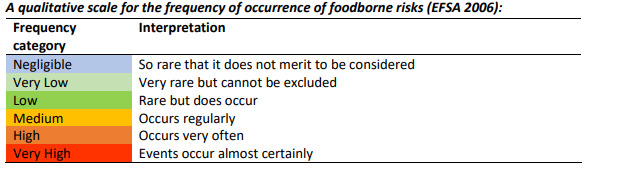
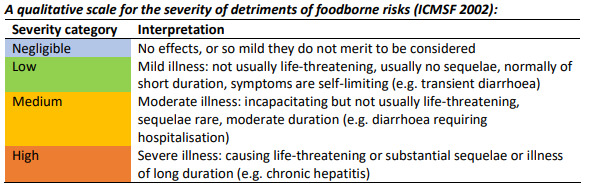
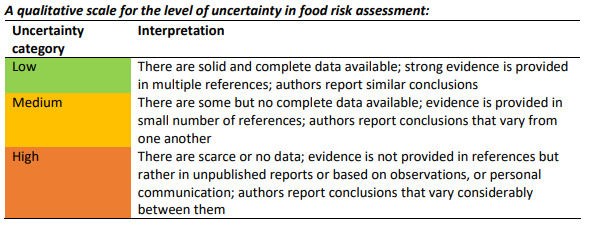
To present this risk assessment in a qualitative form, the scales for the frequency of occurrence and severity of foodborne risks and level of associated uncertainty that is described in the multidimensional risk assessment framework outlined by the Advisory Committee on the Microbiological Safety of Food (ACMSF, 2020) was used.
- The probability of an adverse event occurring per serving
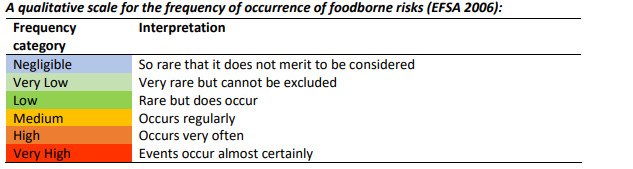
Exposure to microcystins/nodularins from eating the edible flesh of the tested fish species would not be expected to cause adverse effects in consumers, including if the fish is inadequately eviscerated. Similarly, possible exposure to cylindrospermopsins due to inadequate evisceration poses a low probability of adverse effects. Therefore, we consider the frequency of adverse reactions in the general population to be negligible, so rare that it does not merit to be included.
- Severity of detriment
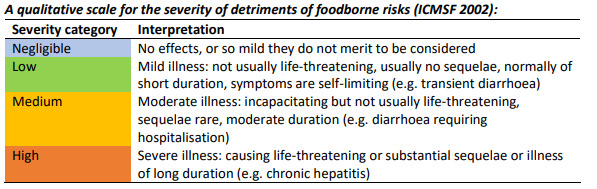
The severity of any adverse effect on the liver from exposure to microcystins would depend on the level of exposure. An outbreak of acute liver injuries occurred in a dialysis clinic in which the dialysis water was contaminated with microcystins and possibly cylindrospermopsin in Brazil in 1996. However, levels of internal exposure to microcystins were very high. In a second case of dialysis water contaminated with microcystins, increases in biomarkers of hepatic cellular injury and cholestasis exceeding the normal range were frequently observed and were concluded to be consistent with mild-moderate liver injury. Based on the possible very low levels of exposure to microcystins from fish from Lough Neagh, it is considered that any liver injury in consumers of fish, were it to occur, would result from long term exposure and be mild.
Overall, we consider the severity of illness that could potentially occur as a result of exposure to microcystins/nodularins from consuming edible fish flesh from Lough Neagh to be low.
The severity of any adverse effect on the liver or kidneys from exposure to cylindrospermopsins would also depend on the level of exposure. An outbreak of hepatoenteritis occurred in a population exposed to a drinking water affected by an algal bloom in Australia in 1979, and subsequent investigations implicated the cyanobacterium Raphidiopsis raciborskii and led to the identification of its toxin cylindrospermopsin. However, the level of exposure to cylindrospermopsin and any variants is unknown and likely to have been high. Based on the possible very low levels of exposure to cylindrospermopsins from fish from Lough Neagh, if fish were regularly consumed with incomplete evisceration, it is considered that any liver or kidney injury, were it to occur, would result from long-term exposure and be mild. However, since there is evidence that cylindrospermopsin is genotoxic in vivo, the cylindrospermopsins could also have potential adverse health effects including carcinogenicity (Committee on Mutagenicity (COM), 2012; EFSA, 2011). Therefore, due to the genotoxicity, we consider the severity of illness that could potentially occur from any exposure to cylindrospermopsins to be high. However, this should be interpreted together with the negligible frequency of adverse effects expected, as discussed above.
Overall, we consider the probability of illness due to microcystin or cylindrospermopsin to be negligible.
- An assessment of quality of data
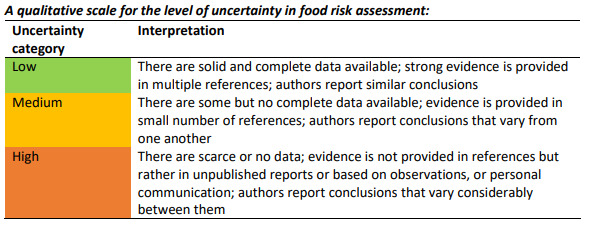
For MC-LR, hepatotoxicity has been reported both in experimental animals (rats and mice) and exposed humans. There are limitations to the toxicological data in experimental animals, which include limited data investigating reproductive toxicity and neurological, immunological and haematological effects, and a lack of chronic toxicity studies in laboratory animals. However, these data limitations were addressed in the provisional TDI used in this risk assessment by the application of an additional uncertainty factor of 10.
There are additional uncertainties for cylindrospermopsin to those listed above for MC-LR, including a lack of reproductive toxicity studies and few studies using high purity cylindrospermopsin (WHO, 2020b). However, these data limitations were also addressed in the provisional TDI for cylindrospermopsin by the application of an additional uncertainty factor of 10. Furthermore, cylindrospermopsin has been shown to be genotoxic in vivo in a micronucleus test which followed the OECD test guideline.
While a combined risk assessment is indicated, and has been undertaken, for the microcystins since they are expected to cause the same adverse effects by the same mode of action, there is uncertainty in comparing estimated intakes of total microcystins to the provisional TDI set for MC-LR. There are likely to be significant differences in the toxicological potencies of different microcystins following oral intake due to differences in their inherent potencies and in their toxicokinetics.
There are similar uncertainties in applying the provisional TDI for cylindrospermopsin to the variant 7-deoxy-cylindrospermopsin; however, WHO (2020b) considered the limited evidence to suggest broadly similar potency of other cylindrospermopsin congeners to cylindrospermopsin. It is unclear, however, whether the genotoxicity of cylindrospermopsin also applies to 7-deoxy-cylindrospermopsin.
A key uncertainty with the exposure assessment is the high result of 61 µg/kg total microcystins/nodularins in a sample of perch edible flesh. This is much higher than the other 22 results for perch edible flesh, which were one result of 6.6 µg/kg and 21 results of <5 µg/kg. On the same date that this sample was collected, two other samples were collected and the results were <5 µg/kg. Each of these samples contained 10 perch, with the aim of obtaining representative results, and thus each result was a mean concentration from 10 fish. This large difference in analytical results suggests that the result of 61 µg/kg might have arisen due to an issue such as sample contamination. However, the laboratory that processed the fish samples recorded that there were no issues with the delivery, storage or preparation of this sample, and the laboratory that analysed the sample repeated the analysis, obtaining a similar result of 57 µg/kg. Therefore, this result could not be discounted and was taken into account in the risk assessment.
Another uncertainty is that the samples of fish were not taken directly from algal bloom affected areas of the Lough. Therefore, it is not clear whether the Lough contains fish containing higher concentrations of microcystins or additional cyanobacterial toxins to the fish sampled. However, this reflected commercial fishing practice. In addition, recreational anglers have been advised by the FSA not to catch fish in areas of visible algal bloom, and the provisional TDIs applied in this risk assessment relate to long term consumption.
Further uncertainties in the exposure assessment include the limited consumption data for eels, the use of consumption data for trout as a surrogate for the consumption of for roach, pollan, perch and bream, and the validity of the assumed exposure scenario to address the risks of inadequate evisceration. However, it is exposure averaged over time, rather than on any individual day, which is of relevance to the chronic toxicity of microcystins and cylindrospermopsins and the provisional TDIs applied in the risk assessment, and considering the consumption data used for adults aged 19-64 years of 89 g/day on a per person basis in the assessment of roach, pollan, perch and/or bream, this is equivalent to 620 g consumption per week, which is equivalent to about 4 portions per week consumption if assuming a portion size of 150 g. This is considered unlikely to underestimate long term consumption of roach, pollan, perch and/or bream by the majority of consumers.
Roach were not considered in the risk assessment as they were analysed whole as they were being supplied whole for animal feed and fish caught commercially were not entering the food chain. However, it is possible that recreational anglers may consume roach. Total microcystins/nodularins were measured in whole roach at concentrations ranging from <5 to 70 µg/kg, with an upper bound mean concentration of 10.5 µg/kg. Considering that most of the residue is expected to be present in the liver and GI tract, potential dietary intakes from the consumption of edible flesh are expected to be no higher than those estimated for perch flesh in this risk assessment and therefore are also expected to not be of concern.
Anatoxin-a was also detected in a single sample of whole roach at below the LOQ of 5 µg/kg. The FSA assessed acute intakes using consumption data for trout in the absence of consumption data for roach, and estimated intakes were well within a health-based guidance value proposed by WHO (2020a) (data not shown).
Overall, we consider the level of uncertainty to be medium (i.e. there are some but no complete data available), but that this does not affect the conclusion of the risk assessment that adverse effects are unlikely. The key remaining sources of uncertainty are listed in the next section.
8. Key sources of uncertainty
-
This risk assessment is based on fish samples taken between May 2024 and February 2025 and it is unclear how concentrations of toxins in fish and in cyanobacteria will change over longer periods of time, including whether any toxins may accumulate in the edible flesh, GI tract or liver from year to year.
-
Although the fish were caught by commercial operators, and were representative of those entering the food chain, it is unknown how toxin levels may have varied in fish of different sizes or ages.
-
There are no supporting data to demonstrate the freezer storage stability of residues; therefore, it is not possible to assess whether the levels of any of the toxins may have been underestimated due to degradation of residues on storage, prior to analysis.
-
There are no data on the consumption of these fish in the local population.
-
It is uncertain how much viscera may be consumed inadvertently due to inadequate evisceration or contamination of edible flesh by viscera.
-
Possible ethnic differences in the consumption or preparation of the fish are uncertain.
-
Some population sub-groups may be of increased susceptibility, although the uncertainty factors used in establishing the provisional TDIs, including the use of extra uncertainty factors to allow for limitations in the data, were intended to allow for this.