
Consumer Insights Tracker - January to March 2026 Report
1. Key findings
Key findings for January to March 2026:
-
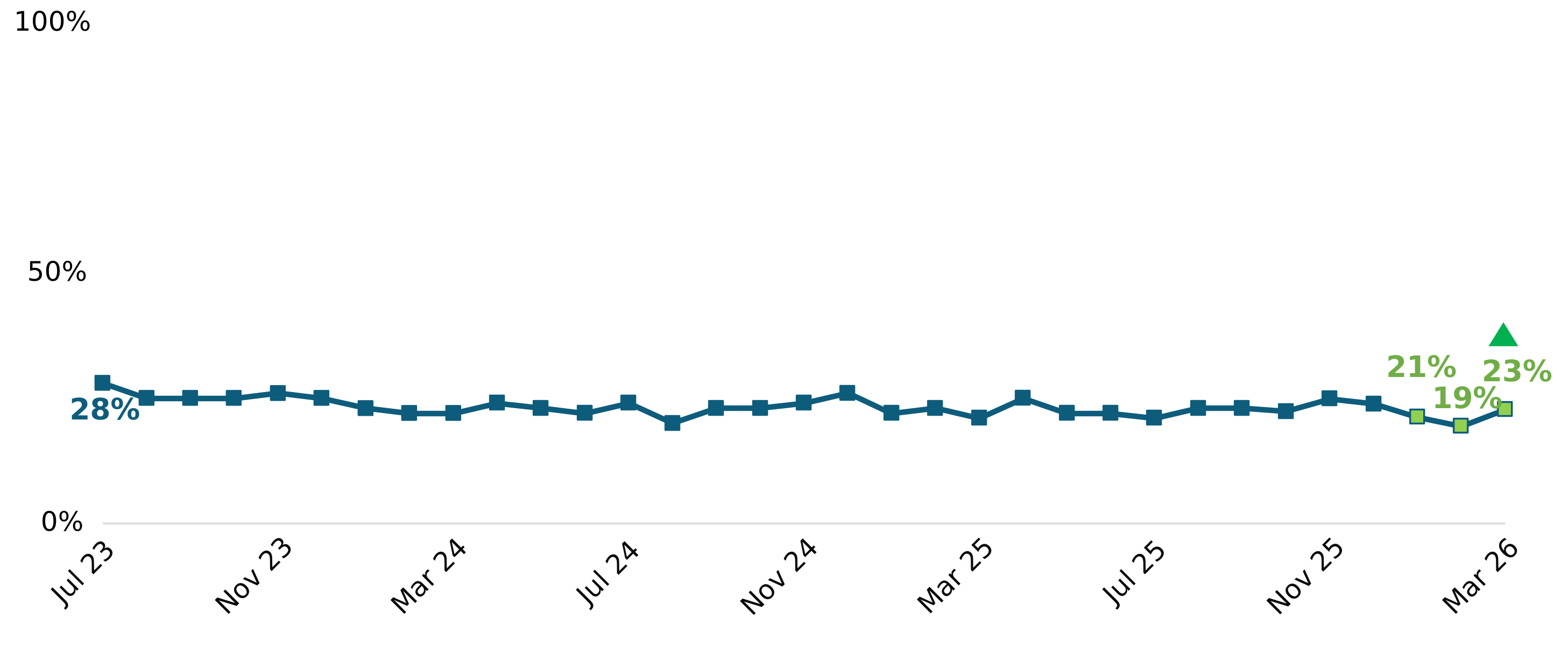
Food affordability: Almost one in four (23%) respondents were worried about being able to afford food in March 2026. This is comparable with January (21%), but slightly higher than February (19%).
-
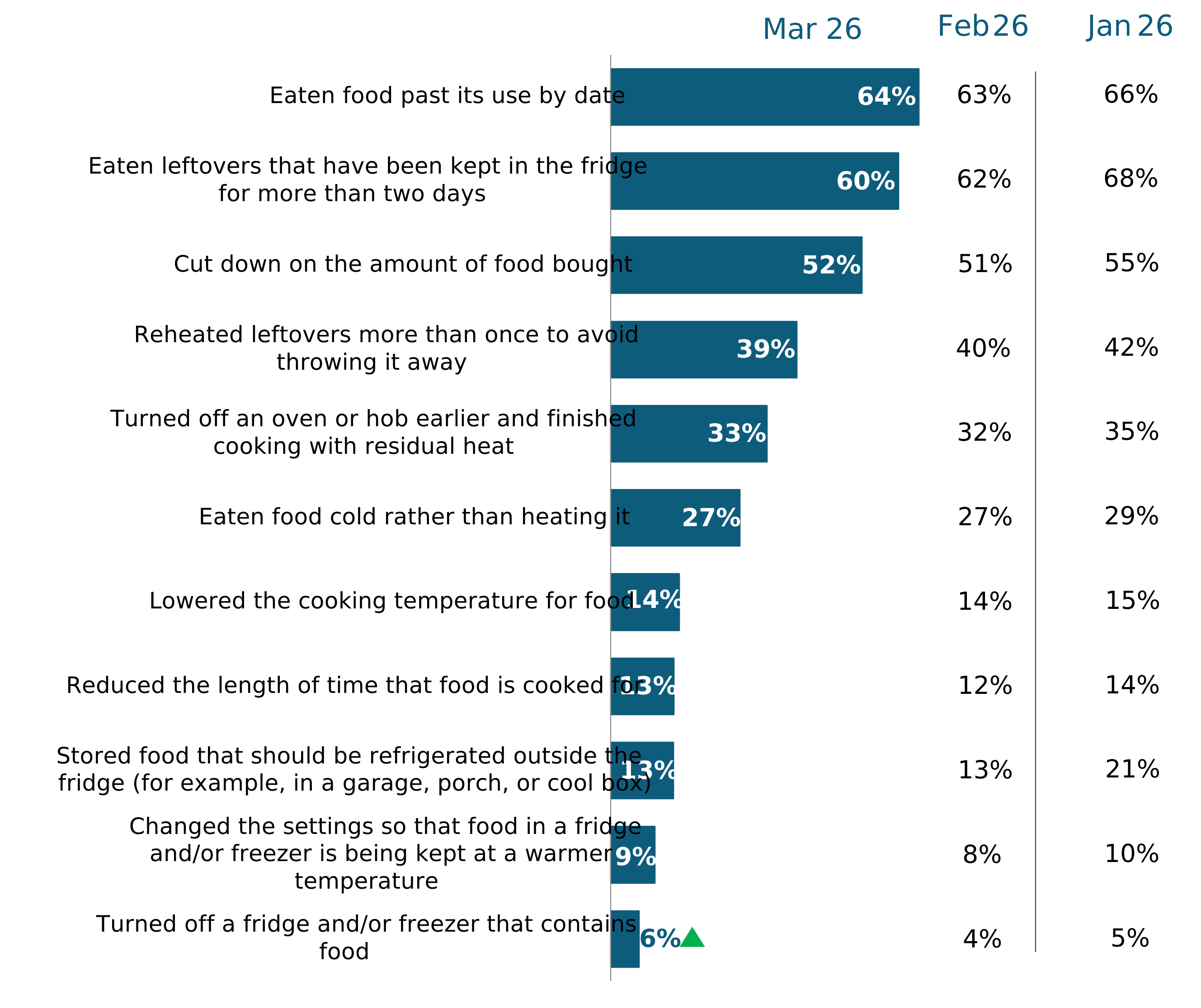
Money saving behaviours: Eating food past its use-by date (64%, March 26) and eating leftovers kept for over two days (60%, March 26) were the most commonly reported money-saving behaviours across the quarter. Eating leftovers after two days was reported more frequently in January (68%), when respondents were referring to their behaviour in December.
-
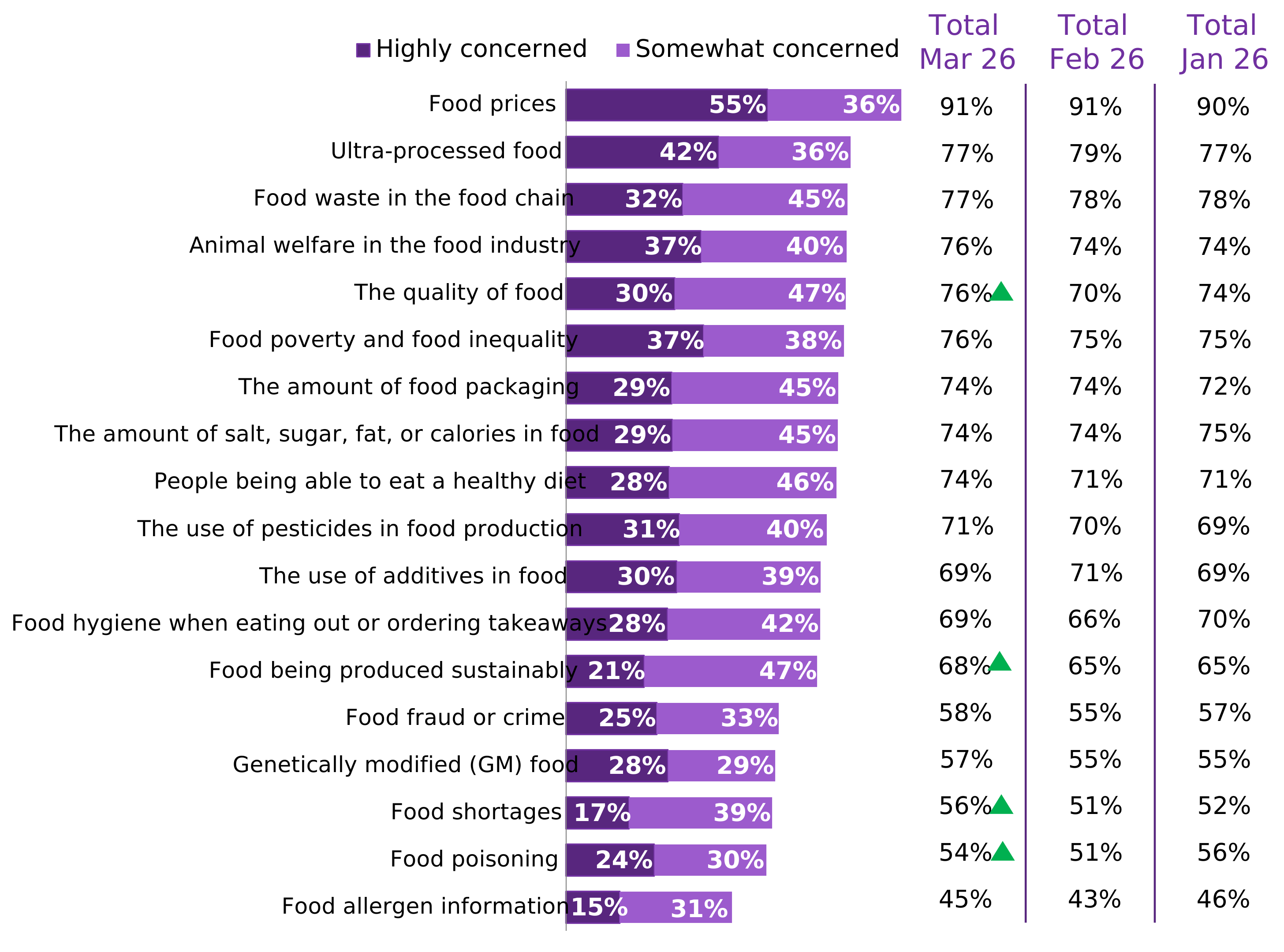
Food concerns: In March 2026, food prices (91%) remained the top concern among respondents, followed by ultra-processed food (77%) and food waste in the food chain (77%).
-
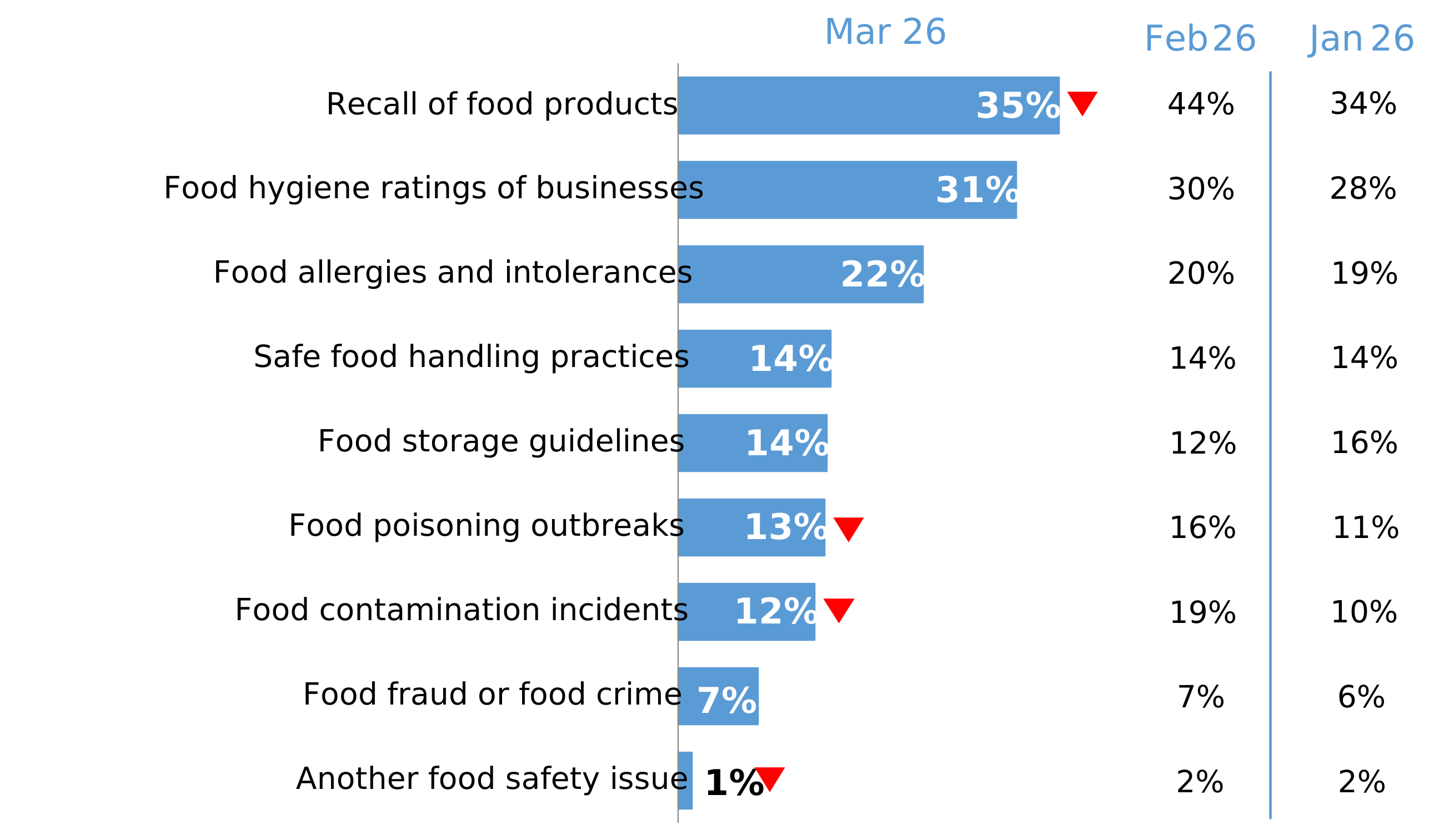
Food safety information: The proportion of respondents who reported seeing or hearing information about food product recalls, food contamination incidents and food poisoning outbreaks increased in February 2026, compared to other months in the quarter. For example, 44% said they had heard about food product recalls (vs. 34% in January).
-
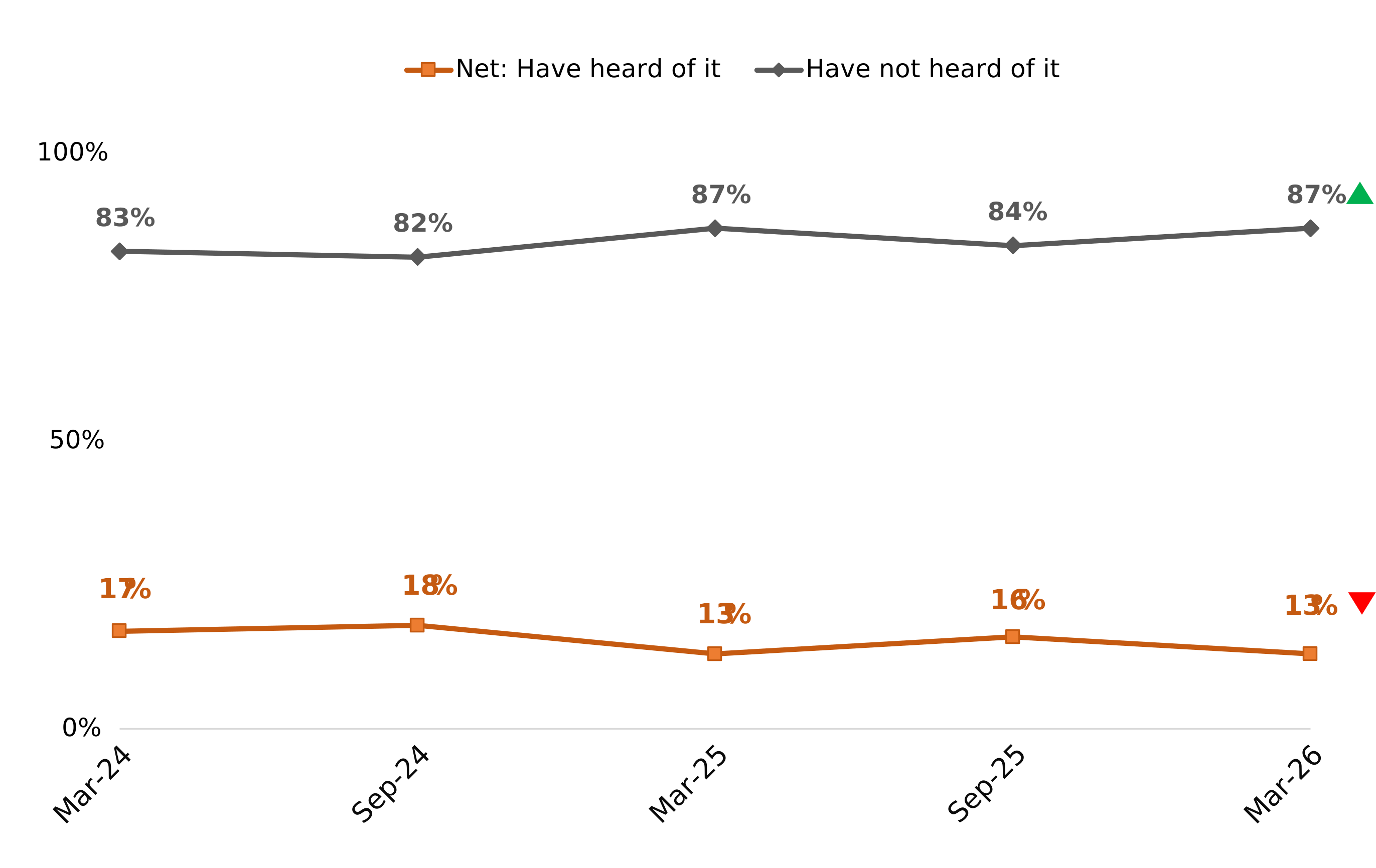
Precision breeding: In March 2026, 13% of respondents had heard of precision breeding, however only 5% of respondents reported knowing what it is. This is slightly lower than when these questions were last asked in September 2025 (16%), but remains comparable with March 2025 (13%).
-
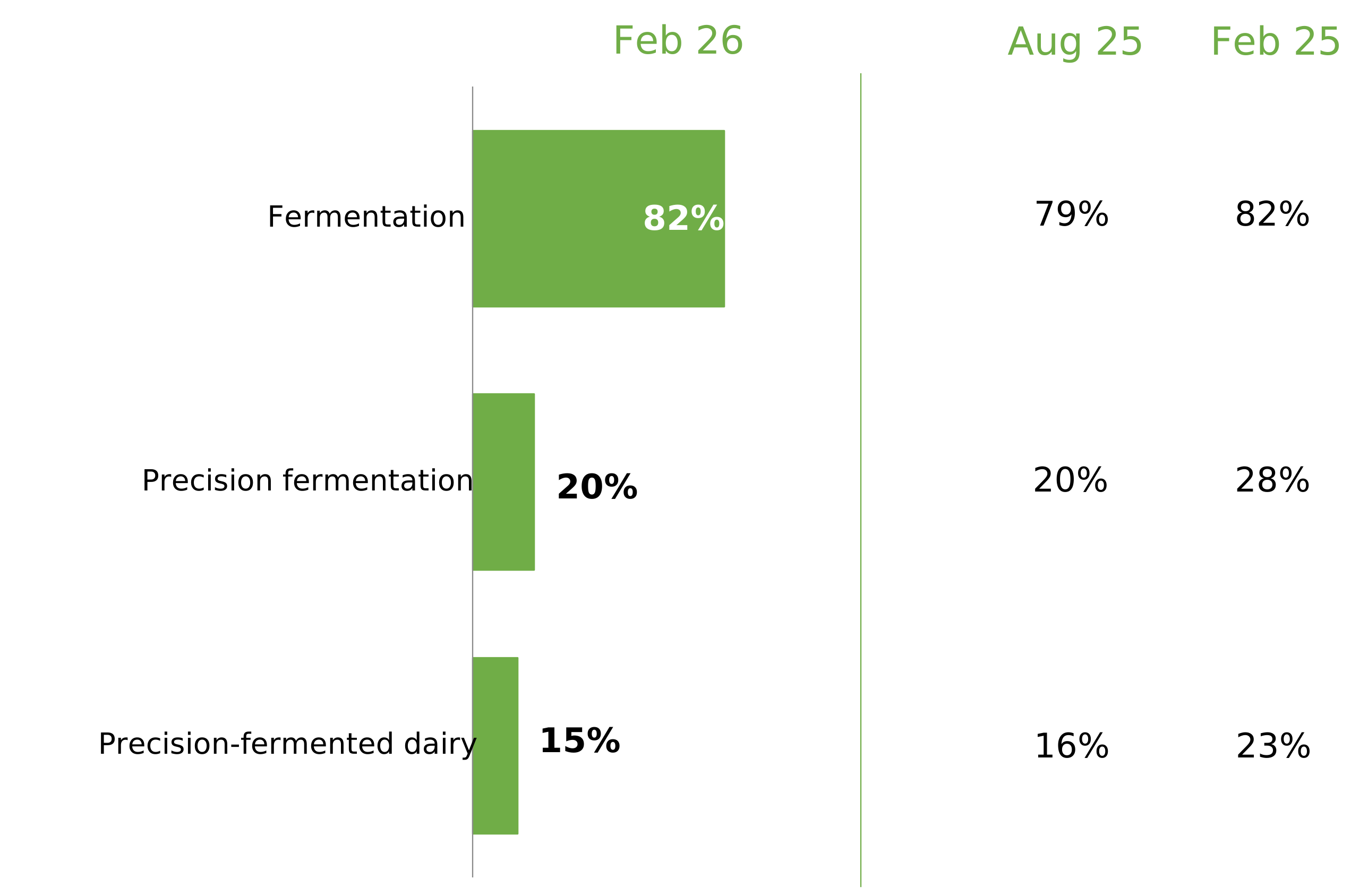
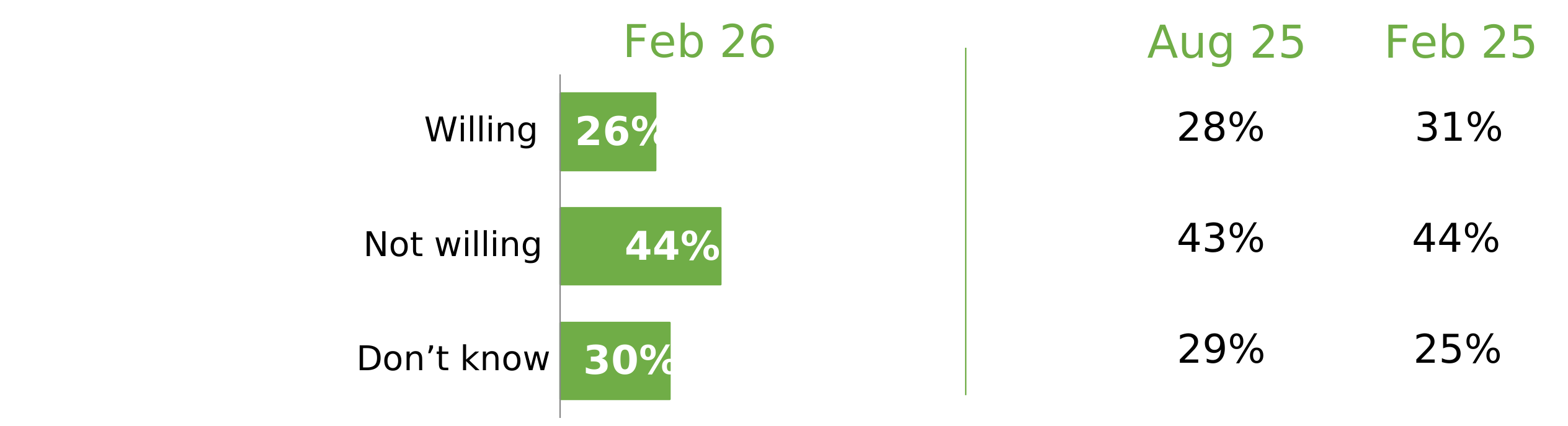
Precision fermentation: In February 2026, 20% of respondents had heard of precision fermentation before, 15% had heard of precision-fermented dairy. Over two in five (44%) were unwilling to include it in their diet, compared with 26% who were willing. Findings were broadly in line with August 2025 when these questions were last asked.
2. Background and methodological information
2.1. Survey topics
This report presents findings for topics we track regularly including consumer concerns in relation to food, food affordability, and trust in the FSA as a regulator.
The core questions in this survey underwent review before the launch of the April 2025 survey. Some new questions and/or statements were introduced, resulting in a new timeseries for some questions/ statements. Please see the notes under each figure for further information.
Between January and March 2026, questions were also asked about consumer views on school meals (January), food regulations (January), precision fermentation (February) and precision breeding (March).
Findings on precision breeding and precision fermentation can be found in this report. Data for all questions can be found in the accompanying data tables.
2.2. Method
-
This research was conducted online using the YouGov panel which gives access to 400,000 active panel members in the UK.
-
This report presents findings from January – March 2026. Where appropriate, comparisons are made to previous waves since July 2023.
-
Across England, Wales and Northern Ireland 2,201 people took part in the survey in January (2nd – 5th), 2,170 in February (6th – 9th) and 2,101 in March 2026 (6th – 9th).
-
Quotas were set by age, gender, social grade, education and region. The data is also weighted to be representative of the population by these demographic variables. All results are based on final weighted data.
-
Further details on the methodology including strengths and limitations can be found in our technical report.
2.3. Notes for interpretation
-
Reporting convention (↑ / ↓ on graphs): The Consumer Insights Tracker uses t-tests to assess differences over time and between groups, and highlights those where the p value is <0.05. Due to the quota sampling methodology used this is not an exact test of whether differences are statistically significant and indicative of real changes in wider population. However, they may highlight where there could be shifts in behaviour or attitudes and further research would be required to assess if these changes are real.
-
Online panel survey: As respondents are selected from an online panel, people without internet access are not represented.
-
Percentages: Figures may not add up to 100% on graphs due to figures being rounded to the nearest whole number, or because in some questions, respondents were able to select multiple answers. In some cases, rounding may make changes appear smaller or larger than they are in the underlying data. Statistical tests have been conducted using the unrounded figures.
3. Results
3.1. Food affordability
Almost one in four (23%) respondents said they were worried about being able to afford food in March 2026. This is comparable with January (21%), but slightly higher than February 2026 (19%), as shown in Figure 1.

In March 2026, eating food past its use-by date (64%) and eating leftovers kept for over two days (60%) were the most commonly reported money-saving behaviours, as shown in Figure 2. These were also most commonly reported across the quarter.
A higher proportion of respondents reported several money-saving behaviours in January (when referring to their behaviour in December) than in the following months. This included eating leftovers after more than two days and storing food that should be refrigerated outside the fridge.

3.2. Food concerns
In March 2026, food prices (91%) remained the top concern among respondents, followed by ultra-processed food (77%) and food waste in the food chain (77%), as shown in Figure 3.
Concern about food quality increased from 70% to 76% between February and March 2026, bringing this back in line with January 2026.

3.3. The Food Standards Agency
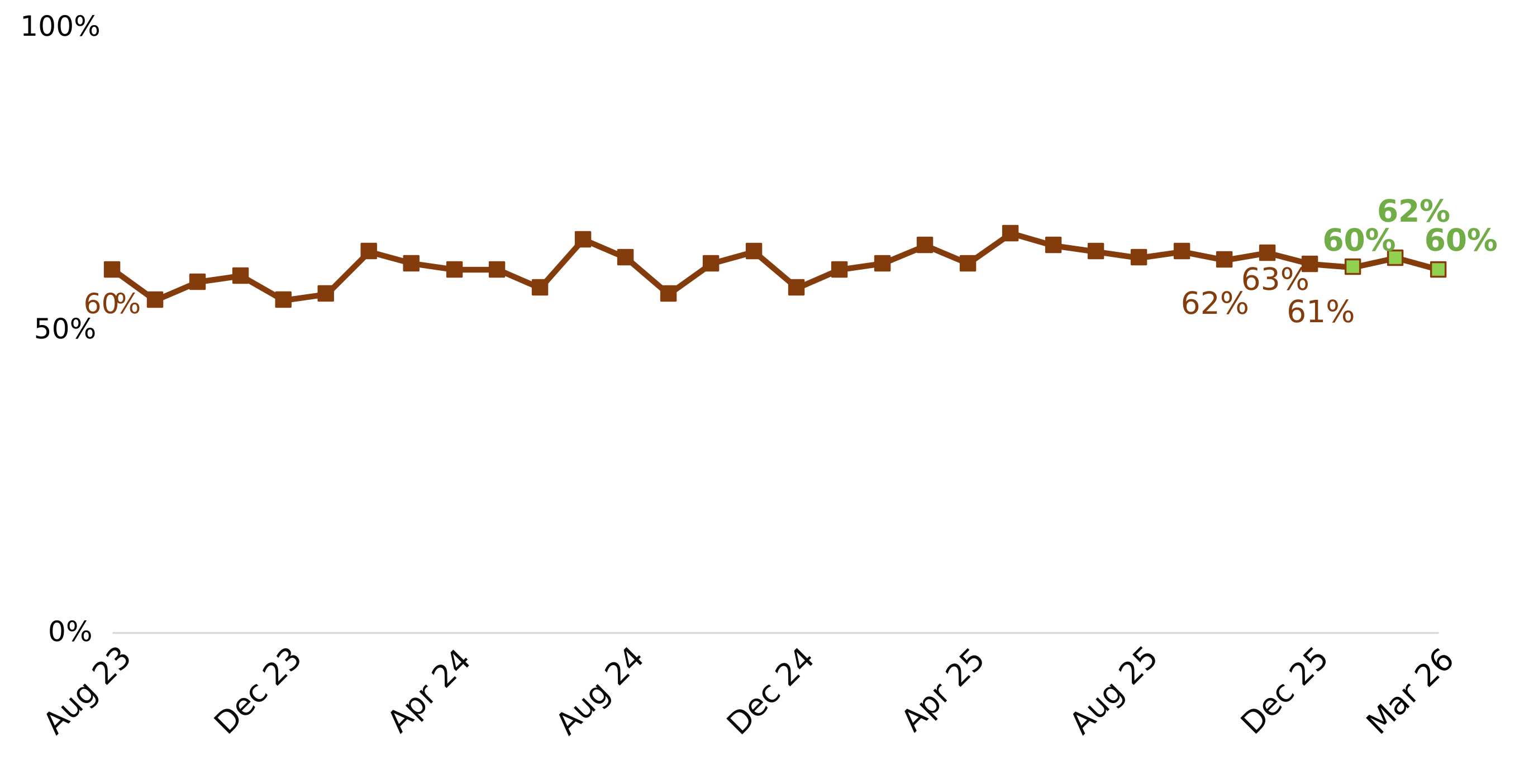
Among respondents with some knowledge of the FSA, trust in the FSA to do its job remained stable between January to March 2026 (60%-62%), as shown in Figure 4. This is consistent with October to December 2025 (61%-63%).
.svg)
3.4. Food safety topics
As shown in Figure 5, the proportion of respondents who reported seeing or hearing information about food product recalls, food contamination incidents and food poisoning outbreaks increased in February, before returning to a more typical level in March 2026.
The lead up to the February 2026 fieldwork coincided with high-profile national recalls of infant formula due to contamination.

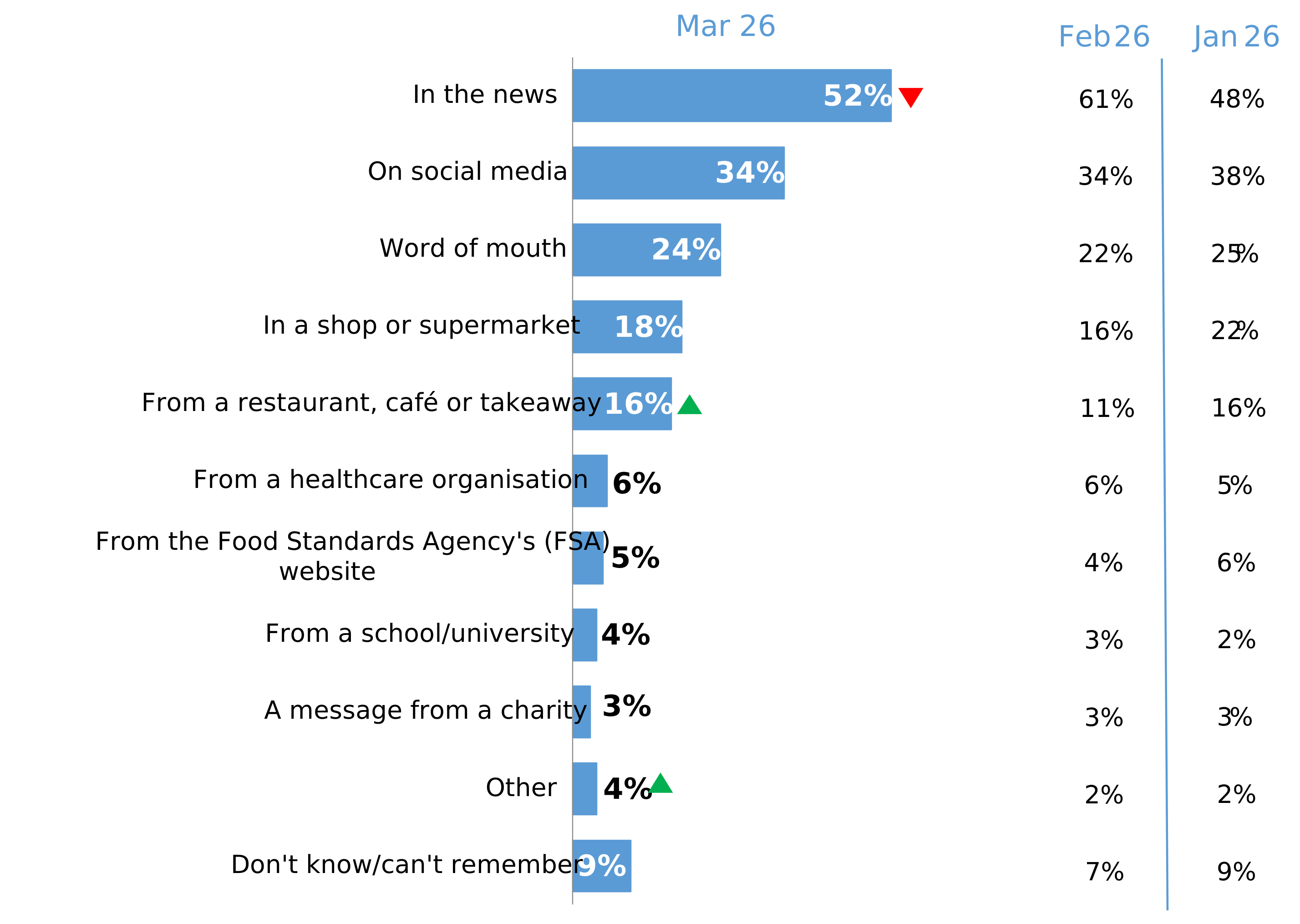
Among respondents who said they had seen, heard or read about any of these food safety topics, the news remained the most commonly reported source across the quarter, as shown in Figure 6. The proportion of respondents reporting the news as a source increased between January (48%) and February (61%), before declining in March (52%).

3.5. Precision breeding
In March 2026, 13% of respondents had heard of precision breeding, however only 5% of respondents reported knowing what it is. Levels of awareness were slightly lower than in September 2025 (16%) but comparable with March 2025 (13%), as shown in Figure 7.

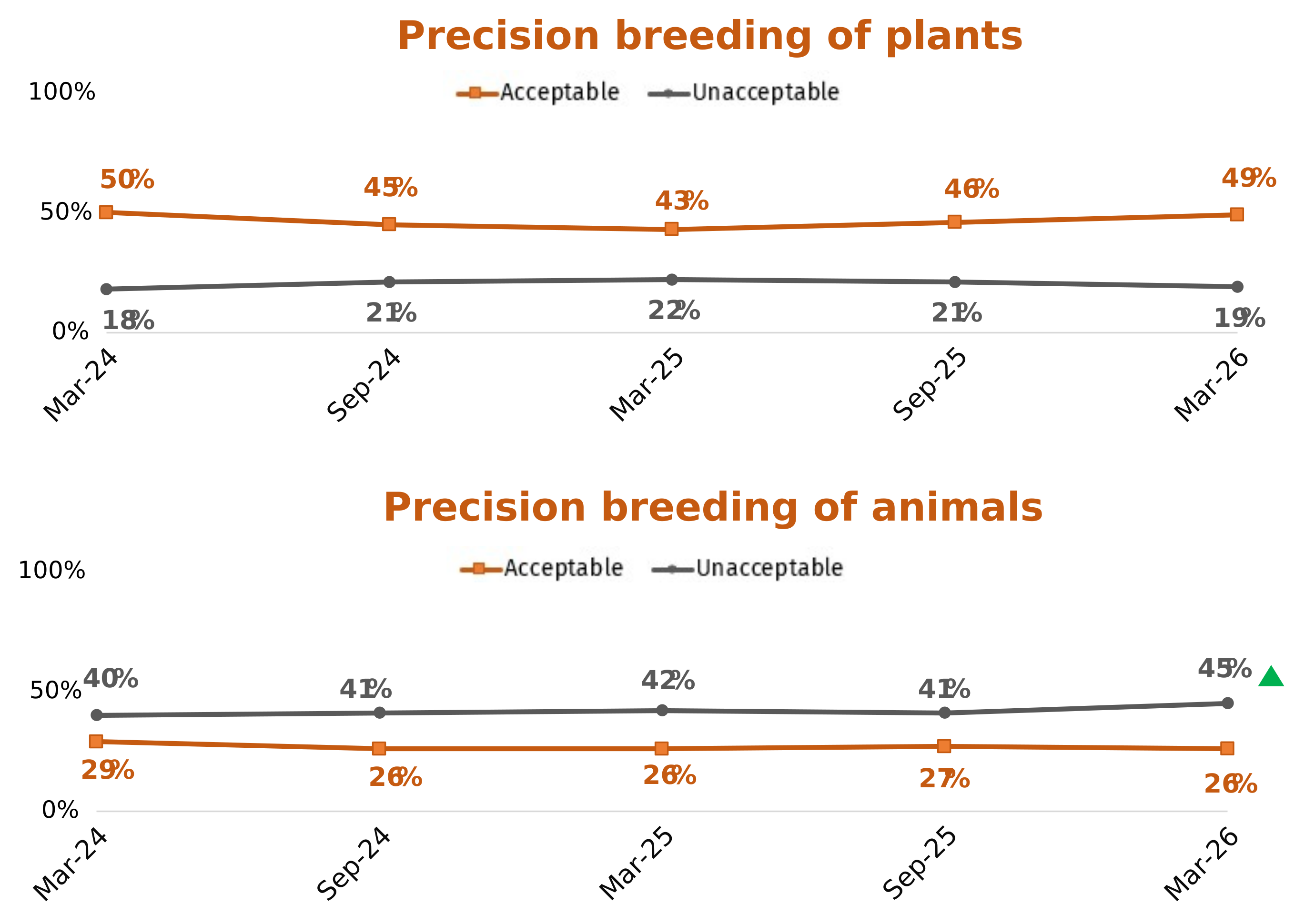
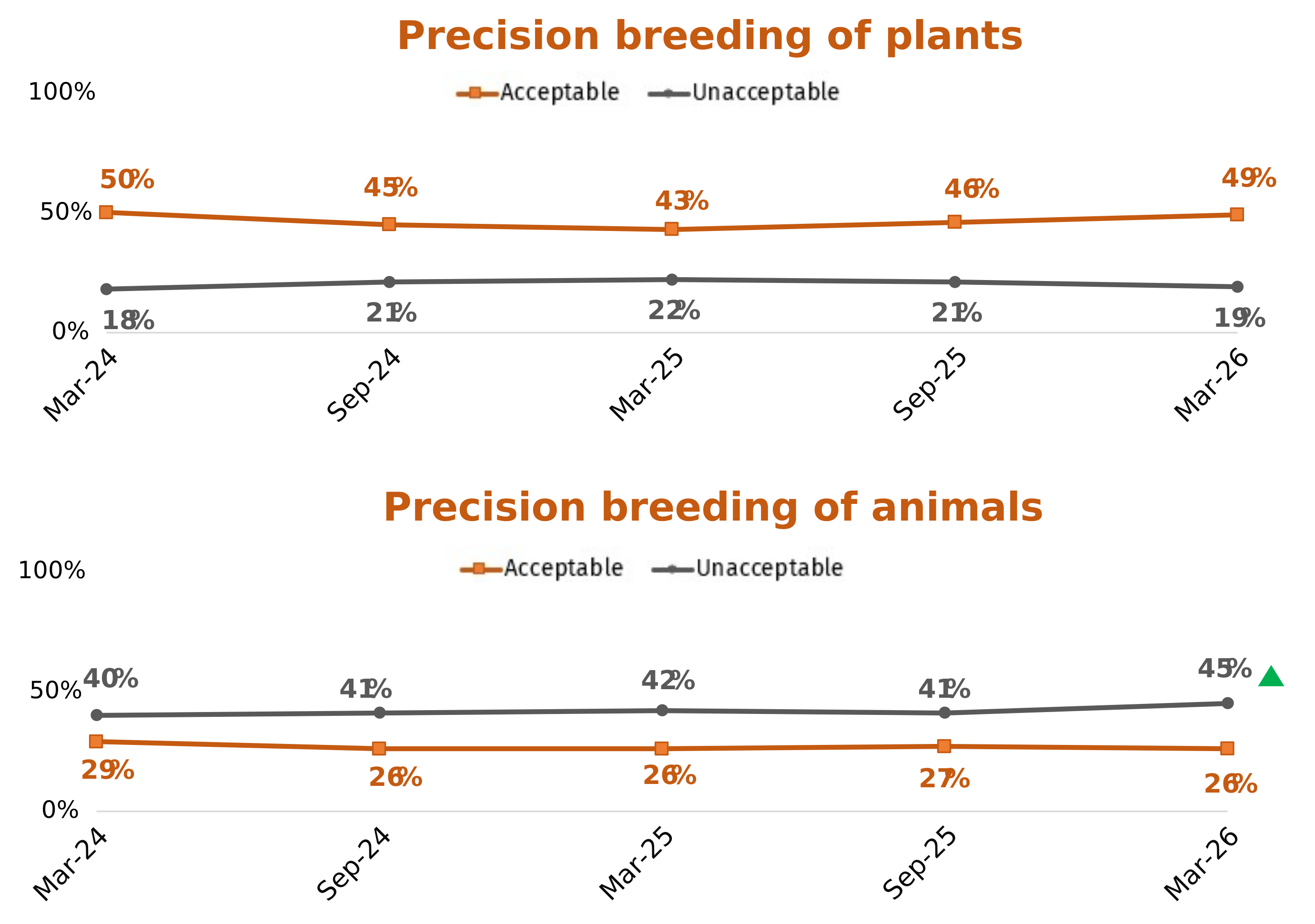
In March 2026, respondents continued to be more accepting of precision breeding of plants (49%) than animals (26%). The proportion who considered each to be acceptable is in line with September 2025, as shown in Figure 8.
The proportion of respondents who consider precision breeding of animals to be unacceptable increased slightly between September 2025 (41%) and March 2026 (45%).
3.6. Precision fermentation
When prompted with a definition of each term, most respondents (82%) had heard of the term ‘fermentation’. A minority had heard of ‘precision fermentation’ (20%) or ‘precision-fermented dairy’ (15%) in February 2026, as shown in Figure 9.

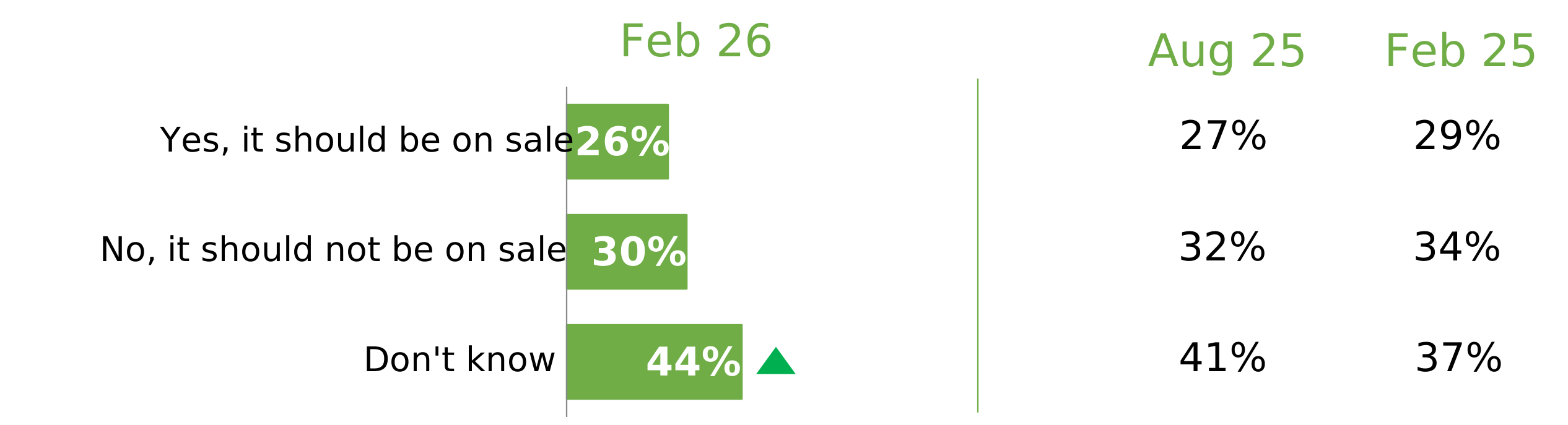
Figure 10 shows respondents in February 2026 had mixed views on whether precision fermented dairy should (26%) or should not (30%) be on sale in the UK in the future with the largest proportion saying they don’t know (44%), as in previous waves.

Figure 11 shows more respondents in February 2026 said they were not willing (44%) to include precision fermented dairy in their diet than were willing (26%), as in previous waves. 30% of respondents said they didn’t know.

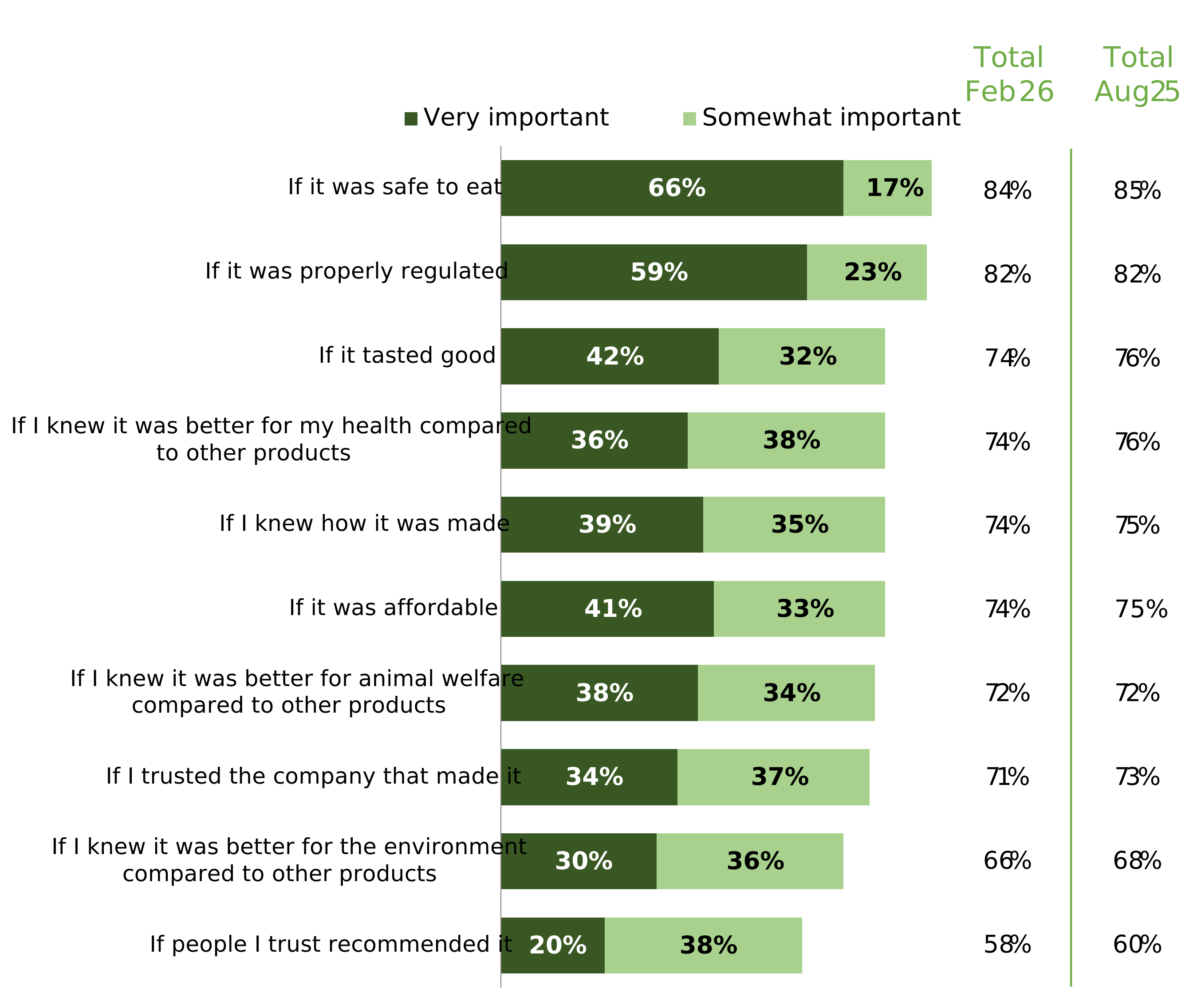
In February 2026, safety continued to be the most important factor when deciding whether to buy precision fermented food (84%), followed by proper regulation (82%), as shown in Figure 12. Factors considered less important were environmental consideration (66%) and recommendations from trusted people (58%).

Further information
For more information:
-
Visit our Consumer Insights Tracker webpage
-
Contact the FSA’s Analytics Unit
Acknowledgements
FS code FS900280