
1. Executive Summary
This project was commissioned by the Food Standards Agency (FSA) to strengthen understanding of emerging risks in the food system, monitor standards across England, Wales and Northern Ireland, and support the Agency’s statutory role in protecting consumers. The programme was delivered in partnership with five Official Food and Feed Laboratories (OLs), which together analysed 845 food products purchased between July and October 2025. Of these, 800 samples were assessed for compliance with food legislation and guidance, while a further 45 samples of oats and oat-based products were tested for science and research purposes.
Samples from 20 food commodity groups were sourced from a mixture of physical and online retailers, spanning large supermarkets, specialist stores, independent outlets and catering environments. This broad sourcing approach provided an extensive picture of the retail landscape and helped identify areas where targeted monitoring may be required in future. The findings showed that most foods were satisfactory with the assessments undertaken. Overall, 72% of the targeted surveillance samples were satisfactory with the assessments undertaken, although this varied between commodities.
Across 205 samples tested, 88% did not contain the specific undeclared allergen(s) tested for. The majority of undeclared allergens were found in Dubai-style chocolates in which undeclared peanut and sesame were noted. Several South Asian bakery and snack items were found to contain undeclared milk and egg proteins. All samples screened for gluten were satisfactory.
Of the 285 samples assessed for authenticity, 81% were satisfactory. Significant issues were identified in goat meat. Half of the samples were found to be sheep, and another one was identified as deer. A further sample sold as goat was found to contain a mix of goat and sheep meat. Some processed meat products, including sausages and lamb burgers, contained undeclared species. Small numbers of coffee, one cooking oil and one fish product were also found not to match their declared identities.
Composition assessment of 385 samples showed 91% were satisfactory. Notable issues included elevated glycerol levels in some slush-ice drinks, undeclared excess fat and/or connective tissue and lower than declared meat content in some burgers and sausages. Some prepacked chocolate products were also found to not contain as much cocoa solids as stated on the label.
From 295 samples tested for contaminants, 90% of samples were deemed satisfactory. Dubai-style chocolates presented the most significant concerns, with a large proportion containing elevated levels of aflatoxins and / or ochratoxin A. Some ashwagandha supplements also showed elevated aflatoxin levels and two contained the heavy metal cadmium above the permitted limit. Additionally, two samples of raw tuna exceeded the maximum level allowed in Great Britain, for mercury. The 45 oat samples tested for science and research purposes were all reported as satisfactory for mycotoxins T-2 and HT-2 with only low levels detected in 14 samples.
Unauthorised ingredient checks on 145 samples showed 95% were satisfactory but highlighted issues in slush-ice drinks and green powdered supplements. Findings included non-permitted and excess use of colour additives and excessive use of the sweetener saccharin. The preservative sorbic acid, which is not authorised to be used in the category of food supplements which the green powdered supplement products would fall within, was also detected. Where ingredients were found to be used in an unauthorised manner, they were also not declared on the product label.
Labelling non-compliances were among the most widespread issues. Of the 621 samples which had a form of label check performed, 76% were reported as satisfactory. Dubai-style chocolates again presented the highest number of failures, including missing durability dates, incomplete ingredient lists, allergenic ingredients not emphasised or inadequately emphasised and missing UK importer details. Supplements, cooking oils, processed meat products and some other prepacked milk/dark chocolate items also showed various labelling errors.
A larger proportion of samples taken from larger retailers (82%) were considered satisfactory compared to those sourced from smaller food business operators (FBOs) (64%). Unsatisfactory results were more common among imported and less commonly sold products such as ashwagandha.
Online purchases presented difficulties where the delivered product did not match the online listing. For example, precautionary allergen labelling (PAL) was only identified on receipt in 14 instances, with this information not available at the time of purchase. On these occasions, the samples were not included in the survey and alternative samples were sought.
The findings show that while most foods sampled were satisfactory with applicable legislation and standards checked, key areas of concern remain particularly among imported products, food supplements, slush-ice drinks and certain meat categories. The results highlight the ongoing need for targeted surveillance to identify emerging risks, improve supply-chain assurance and support effective regulatory intervention. Evidence from this programme informs FSA risk assessment, policy development and enforcement activity, contributing to the Agency’s mission to ensure food is safe, is what it says it is, and meets consumer expectations.
2. Introduction
The Retail Surveillance Survey Programme 2025/26 was commissioned by the Food Standards Agency (FSA) to support its statutory role in protecting public health and consumer interests in relation to food. This programme continues the FSA’s strategic commitment to identifying and evaluating emerging food risks, ensuring food is what it claims to be.
Building on the outcomes of previous surveillance surveys (FSA et al., 2023a, 2023b, 2025; 2024a, 2024b) this programme involved the targeted sampling and analysis of retail food products across England, Wales, and Northern Ireland. The programme was designed to generate robust evidence to inform regulatory action, policy development, and scientific understanding.
Food samples were categorised as:
-
Targeted Surveillance: Commodities selected based on intelligence and market trends to assess specific risks.
-
Science and Research: Commodities without defined legal limits, where data will inform future policy and or FSA risk assessments. The samples from this category have not been included when calculating the rates of satisfactory results.
The food commodities, numbers of samples and the analysis carried out can be found in Tables 1 and 2 in Appendix A.
The programme was delivered collaboratively by the five designated Official Food and Feed Laboratories (OLs) in England and Wales, with samples purchased between July and October 2025. The results of laboratory tests were reviewed against appropriate legislation and reported by the Public Analysts working in:
-
Hampshire Scientific Service
-
Kent Scientific Services
-
Lancashire County Scientific Services
-
Minton, Treharne and Davies Ltd
-
Public Analyst Scientific Services
3. Method
Each of the participating laboratories were provided with a project plan detailing the sampling and analysis they were to undertake.
3.1. Sampling Strategy
Sampling was organised to achieve a representative geographical spread across England, Wales and Northern Ireland. For England and Wales, this meant ensuring broad regional coverage, while for Northern Ireland sampling was capped at a maximum of 100 samples, with at least one sample collected from each district council area. Samples were purchased from a mixture of large and small FBOs, with approximately 40% sourced from large retailers and 60% from smaller businesses. These included supermarkets, independent shops, farm shops, and online platforms, the latter accounting for 18% of all samples. Online purchases prioritised sellers with a UK business address including those selling directly to customers and those selling food via online marketplaces. Whilst efforts were made to minimise duplication, duplicate samples were either resampled or, in a small number of cases, retained where they had been purchased in different nations or were from different batch codes.
In general, only single food items were purchased but if multiple packets were needed, due to sample size or the nature of the hazard being tested, then a combined sample using items from the same batch number was used. This was particularly relevant for cumin samples tested for mycotoxins which are not evenly distributed. At least four samples of the same batch were bought in shops and a minimum packet size of 500g was purchased from online retailers. Samples were homogenised prior to testing.
All sampling was undertaken informally and covertly, without prior notification to the FBOs involved. Unless otherwise instructed each sample had to be packaged and clearly labelled with its full list of ingredients, not have PAL relating to the allergen being tested and be labelled in English. Detailed instructions were provided to laboratories to avoid duplication of samples across sites and survey years, ensure that samples were of appropriate size and condition for testing, and maintain correct transport and storage conditions to prevent degradation or contamination. To reduce potential burden on enforcement bodies, no more than two samples were purchased from the same FBO within a single local authority area.
3.2. Sample Integrity and Documentation
Each sample was assigned a unique reference number (URN) and accompanied by digital photographs showing the product packaging and all relevant information. This included the product name, full ingredients list, durability date, batch code, approval code (where applicable) and business address(es). Samples were stored under appropriate conditions with comprehensive records kept to demonstrate chain of custody.
3.3. Analytical Methods
Samples were allocated to the OLs for analysis according to the analytical capabilities of each laboratory. Analytical work was carried out using methods accredited to ISO17025 wherever possible, including methods covered by flexible scope. Where accreditation was not available, the methods employed had been fully validated and their use appropriately justified. All samples in this project were analysed using procedures suitable for official control samples.
3.4. Reporting Results
Public Analysts reviewed the analytical results and completed labelling checks as directed (Table 1). They reported whether the samples were satisfactory, in their professional opinion, with regards to compliance with the relevant legislation, international standards and/or industry best practice guidance. If regulations differed between regions, the sample was assessed based on the laws of the country where the product was sold:
-
The Cocoa and Chocolate Products Regulations (Cocoa and Chocolate Products Regulations (Northern Ireland), 2003; The Cocoa and Chocolate Products (England) Regulations, 2003; The Cocoa and Chocolate Products (Wales) Regulations, 2003)
-
The Contaminants in Food Regulations (The Contaminants in Food (England) Regulations, 2013; The Contaminants in Food Regulations (Northern Ireland), 2013; The Contaminants in Food (Wales) Regulations, 2013)
-
The Fish Labelling Regulations (The Fish Labelling Regulations 2013 (England), 2013; The Fish Labelling Regulations (Northern Ireland), 2013; The Fish Labelling (Wales) (Amendment) Regulations, 2014)
-
The Food Additives Flavourings Enzymes and Extraction Solvents Regulations (The Food Additives, Flavourings, Enzymes and Extraction Solvents (England) Regulations, 2013; The Food Additives, Flavourings, Enzymes and Extraction Solvents Regulations (Northern Ireland), 2013; The Food Additives, Flavourings, Enzymes and Extraction Solvents (Wales) Regulations, 2013)
-
The Food Information Regulations (The Food Information (Amendment) (England) Regulations, 2022; The Food Information Regulations, 2014; The Food Information Regulations (Amendment) (No.2) (Northern Ireland), 2014; The Food Information (Wales) (Amendment) (No.2) Regulations, 2020)
-
The Food Safety Act (The Food Safety Act, 1990; The Food Safety (Northern Ireland) Order, 1991)
-
The Food Safety and Hygiene Regulations (The Food Safety and Hygiene (England) Regulations, 2013; The Food Safety (Sampling and Qualifications) (Wales) Regulations, 2013)
-
The Food Supplements Regulations (The Food Supplements (England) Regulations, 2003; The Food Supplements Regulations (Northern Ireland), 2003; The Food Supplements (Wales) Regulations, 2003)
-
The General Food Regulations (The General Food Regulations, 2004; The General Food Regulations (Northern Ireland), 2004)
-
The Nutrition and Health Claim Regulations (The Nutrition and Health Claims (England) Regulations, 2007; The Nutrition and Health Claims Regulations (Northern Ireland), 2007; The Nutrition and Health Claims (Wales) Regulations, 2007)
-
The Products Containing Meat etc. Regulations (The Products Containing Meat Etc. (England) Regulations, 2014; The Products Containing Meat Etc. Regulations (Northern Ireland), 2014; The Products Containing Meat Etc. (Wales) Regulations, 2014)
Where samples were deemed unsatisfactory, the reason was classified into the following categories:
-
Allergens
-
Authenticity
-
Composition
-
Contaminants
-
Labelling
-
Unauthorised Ingredient
The FSA received a report for each unsatisfactory sample, including photographs of packaging and an interpretation of the results, for appropriate follow up action. For example, this may include handling them as a food safety incident. The FSA were notified within 24 hours of any result which indicated a serious health risk or potential food crime. Throughout the project, the result data was also monitored by the FSA to assess for any emerging trends. From this, the FSA could determine if additional actions, to those carried out for individual unsatisfactory samples, were required to help protect consumers.
4. Results
A total of 845 food products were purchased from retail outlets across England, Wales and Northern Ireland of which 800 were analysed by OLs and the results considered in relation to legislation and guidance. A further 45 were tested for science and research purposes.
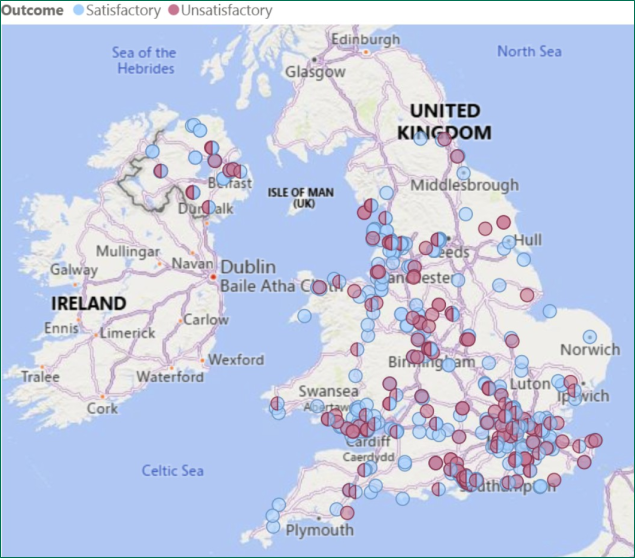
Figure 1. Sample Distribution Map with Outcomes shows the sampling distribution of all samples across England, Wales and Northern Ireland and indicates the samples that were satisfactory and unsatisfactory. There is a relatively even spread of samples with some denser areas of sampling closer to the laboratories. There are no hot spots for unsatisfactory results.
4.1. Targeted Surveillance
A total of 800 food products from 19 food commodity types were tested for compliance with appropriate legislation, international standards and / or industry best practice guidance. The food commodities had compliance rates for the tests carried out ranging from 2% to 100%.
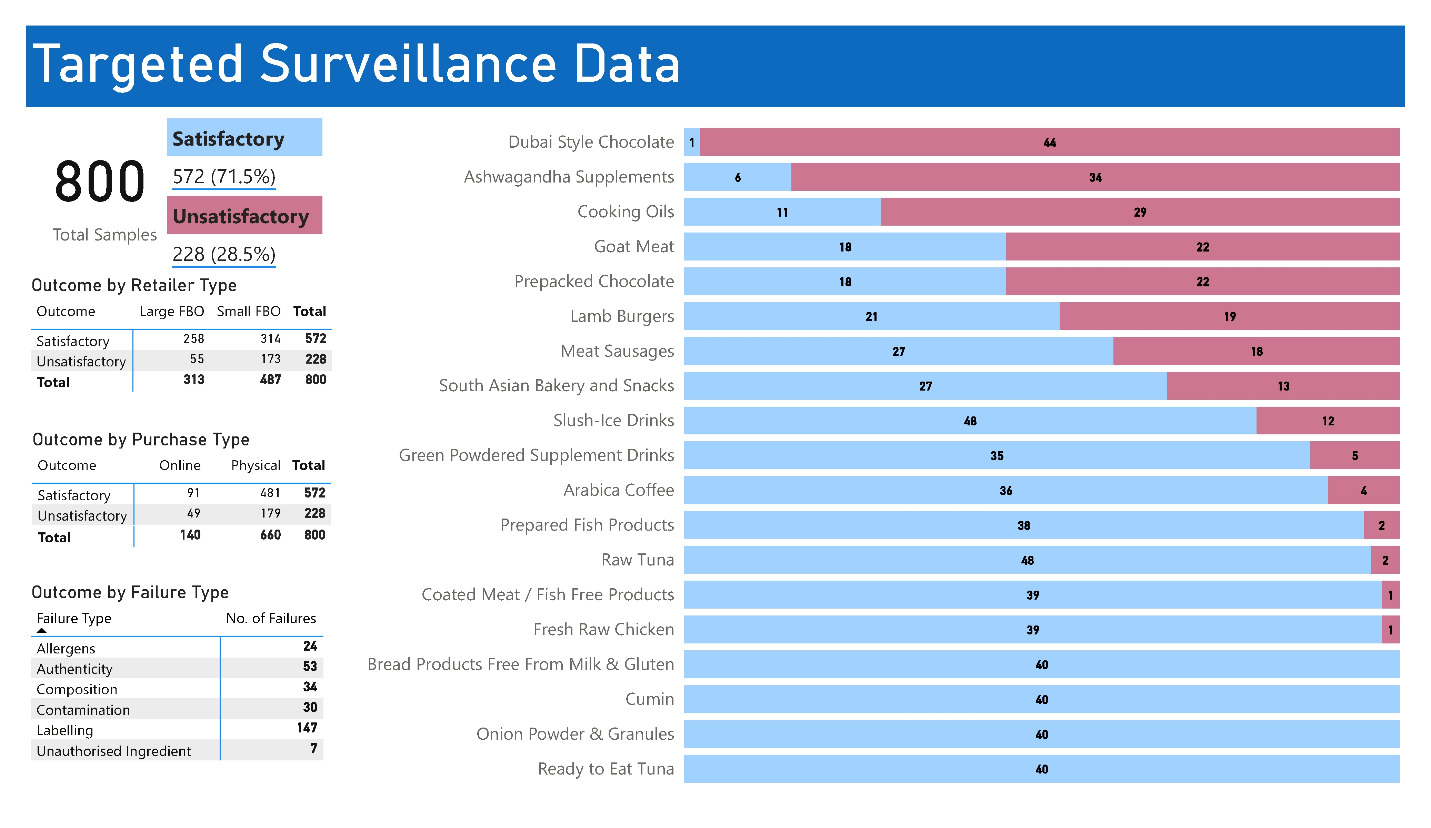
Figure 2. Summary of Targeted Surveillance Data shows that 800 food samples were taken of which 572 samples were deemed satisfactory by the Public Analysts for the tests/examinations carried out, 228 were unsatisfactory.
The graphic includes:
-
A stacked bar chart of the different food commodities showing the number of satisfactory and unsatisfactory samples for each type. For example, goat meat is shown to have 18 satisfactory and 22 unsatisfactory outcomes.
-
A table listing the retail outlet types and the number of surveillance samples taken from each, broken down as the number of satisfactory and unsatisfactory results. For example, of the 800 samples, 487 were taken from small FBOs, of which 314 were satisfactory, and 313 were taken from large FBOs, of which 258 were satisfactory.
-
A table showing the split of online and physical purchases. Of the 800 surveillance samples, 140 were purchased online of which 91 were satisfactory, and 481 of the 660 physical purchases were also satisfactory.
-
A table showing the outcome by failure type, for example 53 samples were categorised as unsatisfactory for authenticity and 34 for composition. Samples could be categorised as having more than one failure type.
-
Overall, 72% of targeted surveillance samples were satisfactory for the tests/examinations carried out.
When interpreting the results, it is important to note that generally single food items were purchased for analysis. This means that the findings may not fully represent the entire batch or production run of a product. For example, compositional data could vary across a batch, and any identified non-compliance may warrant additional investigation before drawing broader conclusions.
The following sections summarise targeted surveillance findings by commodity. For each one, what was tested, what was found, and the main reasons for any unsatisfactory results is outlined.
4.1.1. Dubai Style Chocolate
A total of 45 Dubai-style chocolates containing pistachio nuts were purchased. These were tested for the presence of undeclared allergens, mycotoxins and unauthorised colours. A full labelling assessment was also carried out to check compliance with the Food Information Regulations, which enforce assimilated Regulation (EU) No 1169/2011 (EU, 2011), alongside relevant industry guidance.
The chocolates were purchased mainly from smaller brands and imported product ranges. Thirty-six samples had a known country of origin outside the UK, including 22 from Türkiye and nine from the United Arab Emirates.
Sampling for this trend driven commodity focused on places it was commonly found on sale such as small FBOs, discount stores and online retailers and marketplaces. Two of the products were inadvertently purchased more than once, including one product bought in triplicate. All such samples were retained in the project as they either had different batch codes or were purchased in different nations. Out of the 45 samples tested, only one was found to be satisfactory for every test and labelling requirement assessed.
The presence of undeclared allergens was identified in 18 chocolates (across 14 different brands), including the products purchased in duplicate and triplicate. Three samples contained both peanut and sesame, eleven contained undeclared peanut only, and four contained undeclared sesame only. All 45 samples were analysed for undeclared peanut, however it should be noted that three samples did not have a reported sesame test result from the laboratory, so only 42 samples were checked for undeclared sesame.
Mycotoxin contamination can occur in commodities such as nuts depending on weather and storage conditions. Any adverse health effects associated with mycotoxins arise from long term exposure rather than after immediate consumption. Maximum levels are in place to ensure consumer protection. The Contaminants in Food Regulations, which enforce Commission Regulation (EU) 2023/915 (EU, 2023) in Northern Ireland, and assimilated Regulation (EC) No 1881/2006 (EC, 2006) in England and Wales, currently both set a maximum aflatoxin B1 concentration of 8 µg/kg and a total aflatoxin concentration of 10 µg/kg in pistachios intended for direct human consumption or use as an ingredient in foodstuffs. The same regulations also prescribe a maximum ochratoxin A content of 3 µg/kg in processed cereal products. In the Public Analysts opinion, the source of any ochratoxin A in these samples was likely to be from the cereal part of the kunafa pastry ingredient, however analysis of the individual components would be required to determine this.
The level of mycotoxins exceeded the limits in eight samples (across 5 different brands). Of these, six related to aflatoxins only (including the products purchased in triplicate and duplicate) one for ochratoxin A only and one sample contained both aflatoxin and ochratoxin A above the regulated limits.
For a further 15 samples there were no quantitative ingredient declarations (QUID) for the fillings, so it was not possible to calculate whether the regulatory limits for the originating ingredients were exceeded. However, with the concentrations found the Public Analysts suggested that the levels may be elevated. Of these 15 samples, 11 contained aflatoxin only, one sample contained ochratoxin A only and a further three samples contained both mycotoxins.
Labelling issues were identified in 42 of the 45 samples, and in 12 cases labelling failures were the only reason the products were deemed unsatisfactory. Nine samples displayed findings across all assessed areas. These included the detection of undeclared allergens together with elevated contaminant levels and labelling non compliances.
Common reasons for labelling non-compliance included incorrectly formatted or missing durability information, allergenic ingredients not emphasised or inadequately emphasised, ingredients not listed in the prescribed order, and imprecise or insufficiently descriptive names of the food including misdescription with the use of the term ‘chocolate’. Other problems included missing quantitative ingredient declarations (QUID), missing nutritional information, misleading PAL, lack of UK importer details, undeclared colours and missing additive category names.
Eleven samples contained colours which were not present on the label. Both Tartrazine (E102) and Brilliant Blue (E133) were found in five samples, whilst Brilliant Blue alone was identified in a further three samples, and Tartrazine alone in an additional sample. One sample contained undeclared Allura Red (E129) and another contained undeclared Ponceau 4R (E124).
Three samples did declare the colours Tartrazine and Brilliant Blue, including the sample containing the undeclared Allura Red, however these were listed separate to the ingredients list and therefore not presented as required.
Additionally, foods containing Tartrazine, Allura Red and Ponceau 4R are required to carry the warning statement “May have an adverse effect on activity and attention in children.”, as enforced by Food Additives, Flavourings, Enzymes and Extraction Solvents Regulations. This statement was missing from eight products. A further three products displayed a similar warning however it was not in the prescribed wording.
Although the composition of the chocolate component was not tested analytically, from the labelling review, ten products were reported as not meeting the definition of chocolate as required by The Cocoa and Chocolate Products Regulations. In all cases this was due to the main source of fat within the “chocolate” component being listed as from vegetable fat sources, and not cocoa butter. Two additional samples also did not meet The Cocoa and Chocolate Products Regulations as they did not declare the cocoa solid content.
4.1.2. Ashwagandha Supplements
Ashwagandha, also known as Withania somnifera, is a herb which is used to make various traditional remedies. A range of 40 Ashwagandha supplements including gummies, tablets, capsules and powders were tested for contaminants. Samples were tested for heavy metals (lead, arsenic, cadmium and mercury), aflatoxins, ochratoxin A and had a full labelling check. Almost half of the supplements,18, were bought online from small FBOs. The remaining products were bought in person from an equal mix of small and large FBOs. The rate of unsatisfactory results for this commodity was 85% with only six samples meeting all the assessment criteria. The main reason for samples being deemed unsatisfactory was due to labelling, with issues identified for 33 products.
The prescribed maximum levels for cadmium, mercury and lead are set out in assimilated Regulation (EC) 1881/2006 for food supplements (EC, 2006) and are enforced by The Contaminants in Food Regulations. Arsenic does not have a defined limit in the Regulation so results were reported using The European Food Safety Authority (EFSA) panel on Contaminants in the Food Chain (CONTAM) scientific opinion on arsenic in food (EFSA, 2010), which set a benchmark dose lower confidence limit (BMDL01) values between 0.3 and 8 µg/kg by weight per day.
The Contaminants in Food Regulations, which enforce assimilated Regulation (EC) No 1881/2006 (EC, 2006), set a maximum cadmium limit of 1 mg/kg for food supplements. Analysis showed that two of the supplements exceeded this legal cadmium limit. These were both purchased from small FBOs, one online and one in person.
Aflatoxins and ochratoxin A do not have specific maximum levels set for food supplements under assimilated Regulation (EC) 1881/2006 (EC, 2006). Therefore, the analytical results were compared with limits applied to foods that have similar consumption patterns, as the total ingested dose would be comparable. The Regulation sets an aflatoxin B1 limit of 5 µg/kg and a total aflatoxin limit of 10 µg/kg for spices, along with an ochratoxin A limit of 15 µg/kg for spices.
High levels of aflatoxin were detected in three samples. An ashwagandha powder purchased online contained aflatoxin B1 and total aflatoxins at levels above the 5 µg/kg and 10 µg/kg limits. A root powder bought in person from a small FBO was above the 5 µg/kg limit for aflatoxin B1. In addition, a sample of capsules from a large FBO exceeded the total aflatoxin level of 10 µg/kg. Ochratoxin A was detected in 26 of the samples, however all were below 15 µg/kg, meaning all samples were reported as satisfactory for ochratoxin A.
In total, 33 of the food labels were reported as non-compliant with food information, food supplement, nutrition and health claims, and novel foods legislation.
The Food Supplement Regulations require any product that meets the definition of a food supplement to be labelled with the term ‘food supplement’ and to include specific mandatory warnings. These include advising consumers not to exceed the recommended dose, not to use supplements as a substitute for a varied diet, and to keep the product out of the reach of children.
However, several products did not comply with these rules. In some cases, items labelled as food supplements were sold as powders without dose information, meaning they did not meet the regulatory definition of a supplement. In addition, several products provided inconsistent or contradictory dosage instructions, which could easily confuse consumers.
Permitted health claims on food supplements must be used exactly as authorised including wording, conditions of use and only refer to normal physiological functions (not diseases). Some products included claims such as ‘calm and clarity’, ‘hormonal harmony’, and ‘natural relief from stress, anxiety and fatigue’, none of which are permitted under Regulation (EC) 1924/2006 (EU, 2006), nor listed in the authorised or on hold claims registers. Other claims did not use the permitted wording implying that the product could improve rather than support normal physiological functions. Additional claims suggesting treatment or prevention of disease, including assertions relating to depression, hypertension, arthritis and immune system disorders, were also present and prohibited under Article 7 of assimilated Regulation (EU) 1169/2011 (EU, 2011), enforced by the Food Information Regulations.
Several products made nutritional claims that could not be substantiated or were not permitted under the Nutrition and Health Claims Regulations, which enforce Regulation (EC) 1924/2006 (EU, 2006). These included claims that the products were rich in amino acids, antioxidants or iron but lacked mandatory quantitative declarations.
A number of samples included marketing statements implying superiority, purity or safety (for example ‘foods without toxins’), which cast doubt on the safety of other foods and are prohibited under the Nutrition and Health Claims Regulations, enforcing Article 3 of Regulation (EC) 1924/2006 (EU, 2006). In one instance, the claim was not only prohibited but also inaccurate, as the product contained detectable levels of ochratoxin A. Although contamination levels remained within acceptable limits, such claims are deemed to be misleading within the meaning of Article 7 of assimilated Regulation (EU) 1169/2011 (EU, 2011), enforced in the UK by the Food Information Regulations.
A few samples had unclear PAL statements which did not identify the cereal source of the potential gluten presence, or the specific tree nut where a PAL for nuts was stated. Other labelling anomalies highlighted included small font size, incorrect use of units or rounding conventions for nutritional information, missing or incomplete ingredients lists, name and quantity of food not in the same field of view and missing UK business address.
4.1.3. Cooking Oils
A total of 40 cooking oils were examined to assess whether they were authentic, of the correct composition, and accurately labelled. The oils tested included almond, avocado, groundnut (peanut), sesame, soya and walnut oils, with sesame oil being the most common. Most products were purchased in person from retail shops across a mixture of small and large FBOs, with six of the 40 samples bought online. Eleven of the samples were reported as satisfactory giving a 28% compliance rate for this commodity.
One of the almond oil samples failed testing on several counts. Its chemical profile did not match what would be expected of a genuine almond oil (FAO & WHO, 2024), its composition was outside acceptable limits, and there were also issues with its labelling. Four additional samples failed composition checks: two further almond oils, one avocado oil and one sesame oil.
Labelling issues were identified across all types of oils tested. In total, 28 products did not meet labelling requirements. Eleven samples displayed inaccurate fat information that did not match laboratory findings, with some labels overstating the fat content and others understating it. Eight products were either missing nutritional information entirely or presented it in an incorrect format. A further 21 products showed other minor labelling irregularities, most of which were due to producers not following standard guidance on how fat values should be expressed.
4.1.4. Goat Meat
DNA analysis was conducted on 40 samples of goat meat, 21 fresh and 19 frozen, to detect the presence of seven animal species (goat, sheep, cow, pig, horse, chicken, and turkey). All samples were bought from small FBOs. Twelve were sourced online (three directly from independent butchers’ websites and nine from online marketplaces) and the remaining 28 were purchased in person from butchers, food centres and international stores. Twenty-two of the samples were pre-packaged products, of which it was noted that four had no labelling identifying the content as goat meat although it was purchased as such.
This commodity had a compliance rate of 45% with 22 samples reported as unsatisfactory for authenticity. Nearly all the unsatisfactory samples, 20 of the 22, were found to be entirely sheep, with no goat DNA detected despite being sold or described as this. Of these 20 samples, 12 were bought as loose meat and eight were prepacked. Fifteen were sold chilled, while only five were frozen.
Another unsatisfactory sample was found to contain a mixture of goat and sheep DNA. Although the sample was predominately goat, the presence of undeclared sheep DNA rendered the sample not of the substance demanded by the purchaser within the meaning of the Food Safety Act.
One frozen boneless goat meat purchased online had animal DNA detected but this did not match any of the seven species in the standard screening panel. Subsequently, the sample was subjected to further testing, next generation sequencing, which identified only deer DNA including fallow deer (Dama dama), red deer (Cervus elaphus) and sika deer (Cervus nippon).
4.1.5. Prepacked Chocolate
A total of 40 prepacked chocolate bars were purchased, including 29 dark chocolates and 11 milk chocolates. All samples were physical purchases, with 16 bought from large FBOs and 24 from smaller operators. Only solid chocolate was included in the study — not filled chocolates, and not bars containing added ingredients such as fruit or nuts. Three of the 40 items were shaped chocolate rather than bars.
The purpose of the testing was to check whether the chocolates met the legal requirements set out in The Cocoa and Chocolate Products Regulations, which specify the minimum amount of cocoa solids required and related labelling checks were also conducted. The chocolates were also tested for the presence of lead and cadmium. Cadmium was assessed against the limits set out for chocolate in the Annex to assimilated Regulation (EC) 1881/2006 (EC, 2006), as applied through the Contaminants in Food Regulations. No specific maximum limit for lead is set in the Annex. Therefore, compliance was assessed using the EFSA benchmark dose level for developmental neurotoxicity in young children of 0.5 µg/kg body weight per day (EFSA, 2013). All the chocolates were reported as satisfactory for lead and cadmium which were only detected at low levels and based on a portion size of 20 g, the estimated lead exposure was significantly below the benchmark level.
Overall, 22 of the 40 samples (55%) were found to be unsatisfactory. In seven samples, the cocoa solids content was calculated to be lower than the minimum cocoa solids declared on the label, even when the relative uncertainty of measurement of the test method was taken into account. As a result, they were reported as unsatisfactory for composition as the cocoa solid content was inaccurate under Article 7 of assimilated Regulation (EU) 1169/2011 (EU, 2011), and the Food Information Regulations. However, although the cocoa solids content did not meet the individual products declared levels, the samples did meet the requirements set out in the Cocoa and Chocolate Products Regulations for the use of the reserved description of “chocolate”.
Overall, 17 products had labelling issues identified, including two of the seven samples which did not contain the amount of cocoa solids declared.
Sixteen products were found to not present the cocoa solid information in the required format. A further product used an incorrect name because it did not meet the legal definition for ‘chocolate’, nor did it use the appropriate term for ‘non added sugar chocolate with sweeteners’ as directed by The Guidance on the Cocoa and Chocolate Products Regulations 2003 (FSA, 2009).
Among the three chocolate shapes included in the sample group, two were considered unsatisfactory because cocoa and milk solids information had not been declared in the correct format.
4.1.6. Lamb Burgers
Fresh and frozen packaged lamb burgers were tested for meat speciation, meat content, fat content including excess fat and had a related labelling check performed. Of the 40 samples tested, 21 were satisfactory, giving an overall commodity compliance rate of 53%.
All samples were tested for the presence of seven different animal species (sheep, cow, pig, horse, goat, chicken and turkey) using a DNA PCR technique. Lamb DNA was detected in every burger although in one case it was present only at trace levels.
Sixteen samples were reported as unsatisfactory for authenticity because DNA from species other than sheep was identified. In six of these, the levels of non-sheep DNA were particularly significant. Cow DNA was present in five burgers at levels ranging from 12% to more than 50%. One sample consisted predominantly of cow DNA, with only trace amounts of pig and sheep DNA. In another instance, a gourmet lamb burger also contained pig DNA accounting for approximately 18% of the total DNA detected.
The remaining ten samples reported as unsatisfactory for authenticity showed trace amounts of other animal species. Seven contained traces of cow DNA, two contained traces of both cow and pig and one contained traces of both cow and chicken. These low-level findings were considered likely to result from cross-contamination, potentially through the use of shared machinery when processing different species. Nonetheless, any product described and sold as lamb should contain only sheep meat, and even small quantities of other species may be considered misleading under the Food Safety Act.
Five samples were reported as unsatisfactory with regards to composition. Testing identified low meat content in five of the burgers and undeclared excess fat was present in two burgers.
The Food Information Regulations require prepacked meat products to include a quantitative ingredient declaration (QUID) for the meat content. Seven of the burgers either lacked this declaration or presented it incorrectly.
4.1.7. Meat Sausages
A range of fresh and frozen meat sausages were analysed for the presence of any undeclared species and meat content to check compliance with Quantitative Ingredient Declaration (QUID). The Commission Notice on the Application of the Principle of Quantitative Ingredients Declaration (QUID), 2017 (EC, 2017) provides guidelines on the application of the principle of QUID in the context of assimilated Regulation (EU) No 1169/2011 (EU, 2011). Sample labelling was also assessed in relation to the analysis undertaken.
The 45 samples tested included 19 pork sausages, ten chicken, six beef, six lamb, three turkey and one pork and beef sausage. The overall compliance rate was 60%, with 18 samples failing to meet the testing criteria.
Meat other than that declared on the packaging was detected in ten samples. A Moroccan spicy sausage declaring 85% lamb was found to contain 13% pig DNA, a Lincolnshire pork sausage was found to have 5% cow DNA, and a lamb and mint sausage had 4% pig DNA. In the other seven samples (three chicken, two beef and two pork sausages) the levels of other meats were low, suggesting poor practice or cross-contamination rather than deliberate inclusion.
Compositional requirements were not met in seven samples. In five instances the apparent meat content of the samples was less than declared and five samples had undeclared excess fat and /or undeclared excess connective tissue which is contrary to the requirements of the Food Information to Consumers Regulation.
There were three samples with labelling irregularities: a lamb sausage which did not include lamb in the ingredients list; a chicken sausage that did not have the required quantitative declaration for chicken; and a pork sausage that listed pork protein in the ingredients list which is not sufficient to allow the consumer to know the true nature of the ingredient, contrary to the requirements of the Food Information Regulations.
4.1.8. South Asian Bakery and Snacks
A range of 40 prepacked bakery and snack products such as Chanachur, Kerala Murukku and Toast Biscuits that had been imported from India, Pakistan, Sri Lanka or Bangladesh were examined for the presence of undeclared milk and egg. Sampling was directed towards small FBOs, as these products are more commonly found in specialist grocery stores. Only items labelled in English and without PAL for milk or egg were selected for testing. No issues were identified for 68% of the 40 samples tested.
Six samples were found to contain undeclared allergens. Milk was detected in five products: Spicy Kerala Mixture, Toast Biscuit, Pepper Thattai, Peri Peri Murukku and a Bombay Sweet Toast which also had undeclared egg. A sample of Kuzalappam also tested positive for the presence of egg protein.
Eight samples, including the sample of Pepper Thattai containing undeclared milk, were deemed as unsatisfactory for labelling because they failed to meet the allergen declaration requirements set out in the relevant legislation. Assimilated Regulation (EU) No. 1169/2011 (EU, 2011) prescribes any allergenic ingredient or processing aid listed in Annex II must be clearly identified in the ingredients list and must be highlighted to give it special emphasis. Seven of the eight did not correctly emphasise allergens listed in the ingredients list. The other incorrectly emphasised the ingredient cumin, which is not one of the fourteen allergens as listed in assimilated Regulation (EU) No 1169/2011 Annex II (EU, 2011).
4.1.9. Green Powdered Supplements
This set of samples focussed on green coloured supplement powders made from leafy greens and fruits designed to be consumed as a drink once liquid has been added. They were all labelled as containing vitamins and or minerals, having a physiological or nutritional effect and sold in dose form (or have dosing instructions). The green powdered supplements were tested for the presence of heavy metals, and excess colours, sweeteners and preservatives as well as having a related labelling check. Of the 40 supplements tested five were reported as unsatisfactory giving a commodity compliance rate of 88%.
The Contaminants in Food Regulations enable provisions of assimilated Regulation 1881/2006 (EC, 2006) setting maximum levels for certain contaminants in food stuffs, which prescribe maximum levels of heavy metals cadmium, lead and mercury in food supplements. There is no maximum level of arsenic set for food supplements. The European Food Safety Authority (EFSA) panel on Contaminants in the Food Chain (CONTAM) scientific opinion on arsenic in food (EFSA, 2010), set a benchmark dose lower confidence limit (BMDL01) values between 0.3 and 8 µg/kg by weight per day. All the samples were reported as satisfactory with regards to heavy metals.
The Food Additives, Flavourings, Enzymes and Extraction Solvents Regulations enable provisions of assimilated Regulation 1333/2008 on food additives (EU, 2008), which prescribe maximum levels of colours and sweeteners. The Regulations also state that the preservatives benzoic acid and sorbic acid can only be used in certain forms of food supplements. These preservatives are not permitted for use in the category of food supplements which the green powdered supplements would be classed as.
The synthetic food colour amaranth (E123) was detected in two of the supplements. Amaranth is not a permitted colourant for food supplements. Another sample was found to have sorbic acid present and as this is not permitted for use in food supplements did not meet the requirement of the Regulation. In all cases the presence of amaranth and sorbic acid was not declared on the product labels.
All five non-compliant green powdered supplements showed a range of labelling issues that indicated both inaccurate ingredient declarations and failures to meet legal requirements for food supplements. One product contained the permitted colours tartrazine and brilliant blue and the sweetener saccharin. However, none of these were included in the ingredients list. In addition, the label was missing the mandatory warning for tartrazine ‘may have an adverse effect on activity and attention in children’. Two products were incorrectly described as food supplements, despite not meeting the legal definition set out in the Food Supplement Regulations. Another product did not use the required name ‘food supplement’ and lacked key advisory statements, such as the need to avoid using supplements as a substitute for a varied diet, a warning not to exceed the recommended daily dose, and the instruction to keep the product out of the reach of young children.
Alongside this, some of the labels included unpermitted health claims, with statements that were not authorised for any of the ingredients present, as well as general health claims that should only be used when supported by specific authorised claims, which were absent.
4.1.10. Slush-Ice Drinks
Samplers bought 49 slush-ice drinks from catering and vending units. A further ten prepacked non-alcoholic freeze-at-home products were bought as online and physical purchases. A concentrated syrup, intended to be used in retail machines to make the drinks, was also purchased online. The labels of the prepacked freeze-at-home products and the concentrate syrup were checked with regards to the tests carried out. All 60 samples were tested for their glycerol content along with colours, sweeteners and preservatives. Overall, issues were identified in eight samples meaning 80% of the samples were deemed satisfactory.
Glycerol is a food additive permitted to be used in flavoured drinks. Whilst there is no maximum level specified, it must be used in accordance with good manufacturing practise. This means it should be used at levels no higher than needed to achieve the ingredients’ function. Glycerol is added to slush-ice drinks to maintain the slush like properties and prevent the drink from freezing fully.
The FSA advises that slush-ice drinks containing glycerol should not be consumed by young children, particularly those under seven, because high intake can cause nausea, headaches and, in severe cases, shock or low blood sugar. The FSA guidance for industry (FSA, 2025) sets an upper limit of 50,000 mg/L, equivalent to 5 g/100g, glycerol in the final product. The guidance also advises they should be sold in servings which do not exceed a volume of 350ml and that a warning should be displayed at points of sale where non-prepacked slush-ice drinks are sold containing glycerol. The guidance recommends the following written warning - ‘Product contains glycerol. Should not be consumed by children under seven years of age and children under 10 should have a maximum of one 350ml drink per day.’
Of the 49 takeaway drinks, 38 (78%) were found to contain a measurable level of glycerol. For the ten prepacked freeze-at-home drinks, 8 (80%) contained glycerol. Glycerol levels higher than the FSA industry guidance upper limit of 50,000 mg/L were reported in eight samples, four takeaway drinks purchased from catering units and four prepacked freeze-at-home slush packs. The concentrate product, intended for retail machines, contained less than 50,000 mg/L of glycerol when diluted according to the manufacturer’s instructions.
To assist the FSA to monitor the implementation of industry guidance on slush-ice drinks, samplers recorded any point-of-sale warnings. The FSA industry guidance had been updated and promoted shortly prior to the commencement of sampling. Of the 38 takeaway samples containing glycerol, 27 (71%) failed to display any of the warning information recommended by the FSA. Of the 11 samples that did display a form of warning at point of sale, seven referenced the updated age of children under seven.
Three of the four takeaway drinks with glycerol content above 50,000 mg/L had no signage displayed at point of sale, and the other had the following warning sign ‘Not recommended for children 4 years of age and under’, which aligns with previous FSA guidance. Another takeaway sample was dispensed from a machine stating that the slush-ice drink was ‘glycerol free’ but it was found to contain a low level of glycerol.
Of the eight freeze-at home-products containing glycerol, all but one were labelled with consumption warnings advising they were not suitable for children below either 4 or 5. The prepacked product without a warning present on the label contained glycerol above 50,000 mg/L.
Unauthorised use of ingredients was detected in four takeaway drinks. Slush-ice drinks may contain only limited amounts of certain additives under the Food Additives, Flavourings, Enzymes and Extraction Solvents Regulations which sets out enforcement control for assimilated Regulation No 1333/2008 on food additives. These drinks can contain sorbic acid as a preservative at levels up to 300 mg/L when used on its own. In addition, the regulations allow the sweeteners Acesulfame K up to 350 mg/L and Saccharin up to 80 mg/L, but only in energy-reduced or no added sugar versions. Energy-reduced means a food with an energy value reduced by at least 30 % compared with the original food (with sugar) or a similar product.
Saccharin levels greater than the maximum permitted by the regulations were found in three samples, ranging 105 – 519 mg/L.
The Food Additives, Flavourings, Enzymes and Extraction Solvents Regulations also state flavoured drinks such as slush-ice drinks should not contain more than 20 mg/L of the colour sunset yellow (E110). One sample was found to contain this colour at a level of 42 mg/L, exceeding the permitted amount.
4.1.11. Arabica Coffee
A selection of 40 ground coffees, including coffee pods, that declared arabica bean type were tested for authenticity, the presence of bulking agents and a related labelling check. Four of the samples were reported as unsatisfactory meaning that overall, 90% of samples were satisfactory.
Three samples were reported as unsatisfactory for authenticity. A coffee described as a mixture of specially selected arabica and robusta coffee with no indication of the quantities of each gave results consistent with the product being 100% robusta. A coffee pod described as a roasted blend of aromatic arabica and strong robusta coffee beans gave results consistent with the product being 100% arabica. A packet of ground coffee described as 100% arabica gave results consistent with the product being an 80:20 mixture of arabica and robusta coffees.
A ground coffee labelled as 85% arabica and 15% robusta was found to have slightly less arabica than declared and was reported as unsatisfactory with regards to labelling.
4.1.12. Prepared Fish Products
An assortment of packaged fresh and frozen ready to cook meals containing a whole piece, or large chunks of fish, were tested for authenticity using DNA identification of the fish species and for composition in relation to the fish content. Of the 40 samples tested, 95% were satisfactory. Two samples were reported as unsatisfactory, one for authenticity and one for labelling.
A fish pie which listed Alaska pollock in the ingredients list gave a DNA profile consistent with Pacific cod (Gadus macrocephalus). The Fish Labelling Regulations specify that the commercial designation ‘Pollock’ is the name prescribed by law for the fish species Gadus chalcogrammus. The results of the analysis confirmed that the fish was falsely described.
A salmon en croute was reported as unsatisfactory for labelling as the fish content was not displayed on the label. The Food Information Regulations enabling assimilated Regulation 1169/2011 (EU, 2011) on the provisions of food information to consumers require that this food should be labelled with a quantitative indication, expressed as a percentage by weight, of its fish content. The indication should be given in or next to the name of the food, or in the list of ingredients.
4.1.13. Raw Tuna
A total of 50 samples of raw tuna were tested for the presence of the heavy metal mercury and assessed against the maximum level permitted in tuna of 1.0 mg/kg, as set out in assimilated Regulation (EC) 1881/2006 (EC, 2006) and enforced by the Contaminants in Food Regulations. Most products were purchased from retail shops across a mixture of small and large FBOs including fishmongers and mobile fish vans, with five of the 50 samples bought online.
Levels of mercury above that permitted in the Regulations were detected in two of the tuna samples given a commodity compliance rate of 96%.
4.1.14. Coated Meat / Fish Free Products
A variety of 40 frozen or chilled, coated (battered or breadcrumbed) meatless or fish-free products with no egg or milk in the ingredients list and no PAL for egg or milk, were tested for the presence of these allergens. The compliance rate for this commodity was 98% with only one sample reported as unsatisfactory.
All the samples did not contain detectable levels of egg or milk protein, meaning they were all satisfactory with regards to the allergen testing.
One sample purchased in Northern Ireland was reported as unsatisfactory for allergen labelling as it was not labelled correctly in accordance with assimilated Regulation (EU) No 1169/2011 (EU, 2011), enforced by the Food Information Regulations. The ingredients list did not correctly identify wheat as the specific cereal in brackets after the wheat containing ingredient, instead stating (gluten). Additionally, emphasis of non-allergen words was also present.
4.1.15. Fresh Raw Chicken
A total of 40 fresh whole chickens, chicken breasts, chicken thighs and fillets were tested to check if they had been previously frozen. Compliance for this commodity was 98% with one unsatisfactory sample.
Assimilated Regulation (EU) No 1308/2013 (EU, 2013) defines fresh poultry meat as poultry meat which has not been stiffened at any time by the cooling process prior to being kept at a temperature not below – 2 °C and not higher than + 4 °C. The Regulation requires that poultry meat shall be marketed under one of the following conditions: fresh, frozen or quick-frozen. Therefore, defrosted poultry meat is not permitted to be marketed.
One sample of boneless chicken thighs had results that were consistent with the sample having been previously frozen and therefore did not meet the requirements of the Regulation.
4.1.16. Bread Products Free From Milk and Gluten
Gluten and milk free bread products such as loaves, rolls, pittas, wraps and flatbreads with no PAL for cereals containing gluten and milk were tested for the presence of these allergens. The food labels were assessed against assimilated Regulation (EU) No 1169/2011 (EU, 2011), enforced by The Food Information Regulations in relation to the allergen information.
Gluten and milk proteins were not detected in any of the 40 breads, and all were reported as satisfactory with regards to the analysis and the associated allergen labelling check.
4.1.17. Cumin
A total of 40 ground cumin (also called Jeera) samples were tested for aflatoxins and examined microscopically to assess authenticity and quality. All were found to be satisfactory. No aflatoxin B1 or total aflatoxins were detected above the laboratory’s reporting limits, and microscopic examination showed only features consistent with genuine cumin, with no signs of adulteration.
4.1.18. Onion Powder and Granules
An assortment of 40 onion powders and onion granules without PAL for gluten were tested for the presence of cereals containing gluten and an allergy labelling check was carried out. A total of 13 samples purchased online were excluded from the project because when the samples arrived, they carried PAL for gluten that was not apparent at the point of purchase meaning they did not meet the project criteria. Replacement samples were purchased in these instances. None of the samples tested were found to contain detectable levels of gluten and all the labels were satisfactory with regards to the allergens check performed.
4.1.19. Ready to Eat Tuna
Forty ready to eat tuna products such as canned or pouches of tuna in brine, oil or water were tested for the presence of the heavy metal mercury and assessed against the maximum level permitted in tuna of 1.0 mg/kg, as set out in assimilated Regulation (EC) 1881/2006 (EC, 2006) and enforced by the Contaminants in Food Regulations. All samples were found to be satisfactory.
4.2. Science and Research
4.2.1. Oats and Oat Products
Forty-five oat products including unprocessed oats, porridge oats, and a variety of processed items such as oat cakes, breakfast cereals, cereal bars and flapjacks were tested for the mycotoxins T2 and HT2. For consistency, all results were assessed against the limits set out in European Union legislation (Commission Regulation (EU) 2023/915, (EU, 2023)) which are applicable in Northern Ireland. Currently there are no equivalent limits set for Great Britain. The EU legislation outlines various limits dependent upon the product types and the results were assessed against the most appropriate limit for each product. Results for both T2 and HT2 in all of the 45 samples were less than 40 µg/kg.
5. Discussion
The FSA works across England, Wales and Northern Ireland to protect public health and consumers wider interest in food and has the mission ‘Food you can trust’. Targeted surveillance sampling contributes to the FSA’s aims through identifying and evaluating emerging food risks and monitoring that food is safe and is what it says it is. This programme builds upon the work carried out in the past five retail surveillance surveys conducted since 2020 and the results will be used to assist the FSA in narrowing down areas of risk to food from the wide range of intelligence they receive.
Overall, 72% of samples were satisfactory in relation to the tests/examinations undertaken. It should be noted that as the sampling was targeted, with a focus on foods that intelligence showed were likely to be of higher risk, the compliance rates should not be viewed as being reflective of actual non-compliance levels in the UK market.
The 45 samples taken for the Science and Research category, which did not have UK regulatory limits in relation to the aspect tested, have not been included in the compliance figures.
Unsatisfactory results were classified according to the nature of their failures. Some samples had multiple reasons for being deemed unsatisfactory. The outcomes in relation to the categories of failure are summarised in the following sections.
5.1. Allergens
Around 6% of UK adults are thought to have a clinically confirmed food allergy, and more than a third report experiencing some form of adverse reaction when eating certain foods (FSA Patterns and Prevalence of Adult Food Allergy (PAFA) Report (FSA, University of Manchester, et al., 2024)). Together, these figures underline just how important accurate food labelling is in helping people manage their risks and make safe, informed choices.
In this programme, 205 products across five food commodities were examined for specific undeclared allergens including cereals containing gluten, milk, egg, peanut and sesame. Overall, 88% did not contain a detectable level of the undeclared allergen(s) tested for.
Out of 120 samples tested for undeclared milk, five (4%) were found to contain this allergen not listed on the label. A total of 80 samples were tested for undeclared egg, and two (2.5%) were found to contain this. The occurrences of undeclared milk and egg were all within South Asian Bakery and Snack products, with one sample found to contain both allergens.
Dubai-style chocolate was the only commodity tested for peanuts and sesame. Overall, undeclared peanut was detected in 14 (31%) of the products tested and seven (16%) contained undeclared sesame. Three different Dubai-style chocolate samples contained both peanut and sesame allergens which were not included on the label. In addition, one product purchased in triplicate was found to contain undeclared peanut in all three samples.
All 80 products tested for cereals containing gluten were reported as satisfactory, with no undeclared gluten detected.
5.2. Authenticity
Food authenticity is about ensuring that food offered for sale is of the nature, substance, and quality expected by the purchaser and that consumers are not misled. Consumers need to have trust in the food they buy and be confident that they can make informed choices based on diet, personal taste or cost.
In this programme, 285 samples were examined to determine whether they were authentic, and 81% were confirmed to be as described. However, the remaining samples highlighted areas where substitution or discrepancies were present, particularly in higher-value products that can be more vulnerable to adulteration due to the premium prices they attract.
Meat and fish speciation formed a large part of the testing, with 165 samples assessed for the presence of undeclared species. Forty-eight of 125 meat products tested, 38%, were found to contain meat different to that stated on the label. Substitution of goat meat was a significant issue with half of the samples sold as goat found to be sheep, and another one was identified as deer. Another sample sold as goat was found to contain a mix of goat and sheep meat. Further concerns were identified in processed meat products. Three meat sausages and six lamb burgers contained significant quantities of other meats, while an additional seven sausages and ten lamb burgers contained low or trace amounts of other species. These smaller quantities may indicate poor practice or cross-contamination rather than intentional adulteration. Fish speciation presented fewer issues with only one of the 40 prepared fish products identified as containing undeclared cod rather than pollock.
Premium ground coffee was also reviewed, with a focus on arabica, which is valued for its smoother, sweeter and more acidic flavour profile compared with robusta. Among the samples tested, three (7.5%) were found not to match their declared composition. Arabica was not found in a coffee blend of arabica and robusta. A sample of coffee pods labelled as a blend of arabica and robusta, only contained arabica and a ground coffee labelled as 100% arabica was found to contain an 80:20 mix of arabica and robusta.
One sample of almond oil did not meet expectations for authenticity, as its chemical profile failed to align with what would be expected of genuine almond oil. All 40 of the cumin samples tested were deemed to be authentic.
Together, these findings reinforce the importance of vigilant authenticity testing to ensure consumers receive exactly what they pay for and to maintain confidence in the integrity of the food supply.
5.3. Composition
It is important that food matches its description and contains the ingredients and nutritional content that the label claims, so consumers can make informed choices. Compositional aspects of 385 samples were tested, and 91% were satisfactory.
Of those samples unsatisfactory for composition, testing identified a range of issues where products did not meet declared ingredient levels, legal compositional requirements, or expected quality standards. However, it must be noted that generally single food items were purchased for analysis. This means that the findings may not fully represent the entire batch or production run of a product. Results may warrant additional investigation before drawing broader conclusions.
Throughout the meat products, several problems were identified. Lamb burgers and meat sausages frequently failed to meet their declared meat content, with some samples containing significantly less meat than stated and others showing undeclared excess fat or connective tissue. These findings could indicate inaccurate formulation and/or potential economic adulteration. In addition, a sample of fresh chicken thighs were found to have been previously frozen and defrosted poultry meat is not permitted to be marketed.
Other commodities in which there were failures for composition include prepacked chocolate and cooking oils. According to analysis, seven samples (18%) of prepacked chocolate contained less cocoa solids than declared on the label. Across cooking oils, several products, particularly almond, avocado and sesame oils, failed composition checks. Chemical profiling showed that the declared oil type did not match expected compositional characteristics, indicating potential adulteration or poor-quality control in oil refining and blending processes.
Finally, of the 47 slush-ice takeaway drinks and prepacked products that contained glycerol, eight (17%) contained glycerol above the 50,000 mg/L level recommended in the FSA industry guidelines (FSA, 2025). Although glycerol is generally of low toxicity there are concerns about the effect on young children when large quantities are consumed over a short period of time. Four of the eight slush-ice drinks were bought from catering units. It is important to consider that the elevated levels of glycerol could be due to the product formulation or operators incorrectly diluting the concentrate when making the product at the point of sale.
Overall, these findings illustrate that while most products tested for compositional requirements were satisfactory, a notable number did not match their declared characteristics or meet guidelines. This has implications for consumer trust and potentially safety in the latter case reinforcing the need for continued surveillance and enforcement activity.
5.4. Contaminant
Contaminants can enter the food chain during growing, processing or storage, and consumers cannot usually spot these problems themselves. Harmful substances such as mycotoxins or heavy metals can pose risks, particularly if eaten often or in large amounts. Routine surveillance therefore plays an essential role in identifying issues early and helping prevent unsafe products from reaching the market.
Contaminant testing carried out across the targeted surveillance commodities showed that most food products met the required safety standards and, where present, legislative limits. Across the seven different food commodities analysed, 90% of the 295 samples were deemed satisfactory. Where unsatisfactory results were noted these were limited to a few commodities particularly Dubai-style chocolates, ashwagandha supplements and in raw tuna.
The most significant findings related to mycotoxin contamination in Dubai-style chocolates. Mycotoxin levels were above the regulated limits in eight samples (including products purchased in triplicate and duplicate). Six related to aflatoxins, one for ochratoxin A, and one for both. For a further 15 samples the Public Analysts expressed that the mycotoxin levels may be elevated in the originating ingredients. However, missing QUID information meant calculations could not be performed to assess compliance to the regulations for these. Most (11) contained aflatoxin only, with one containing ochratoxin A and three containing both.
Ashwagandha supplements also presented notable contaminant issues. Two samples exceeded the legal maximum limit for cadmium, while three showed high levels of aflatoxins, including aflatoxin B1 and total aflatoxin concentrations above comparable limits used for foods with similar consumption patterns. These findings highlight potential health risks where such products are consumed routinely or at high doses.
Of the tuna samples tested, two of the 50 raw tuna samples contained mercury levels above the maximum permitted concentration of 1.0 mg/kg. Similar exceedances were not detected in the 40 ready-to-eat tuna samples which were all found to be compliant.
No contaminant issues were identified in several other commodities, including cumin, green powdered supplements and prepacked chocolate, with all results assessed as satisfactory for the contaminants tested.
These results emphasise the importance of strong controls, clear labelling and reliable supply chains so that food remains safe and trustworthy for people across the UK.
5.5. Unauthorised Ingredient
Unauthorised ingredients are a concern because they can affect food safety or mislead consumers, particularly when additives are used in food categories for which their use is not permitted. Unauthorised ingredients were identified across several product categories, most notably in slush-ice drinks and green powder supplement products. These issues involved additives that are either prohibited in the specific food category or present at levels exceeding the legal limits, posing potential risks to consumers and indicating non-compliance with established food additive regulations.
The most significant findings were associated with slush-ice drinks. Of the 60 samples analysed four samples were found to contain unauthorised excessive use of additives. Three slush-ice drinks samples contained saccharin at levels above the maximum permitted limit, ranging 105 – 519 mg/L. In another sample the colour sunset yellow (E110) was present at 42 mg/L which also exceeds the legal threshold. All four samples were takeaway drinks dispensed from retail machines, therefore these breaches could be due to shortcomings in formulation control or operators incorrectly diluting the concentrate when making the product at the point of sale.
In green powdered supplements, several samples contained colours or preservatives that are not authorised for use in this type of food supplement. Two products contained a colourant, amaranth, while another contained sorbic acid. Neither the amaranth nor sorbic acid were declared on the product labelling. The presence of these ingredients is not permitted under the Food Additives Regulations for use in these food supplements and indicate either mis-formulation of the product or a poor understanding of legal ingredient restrictions within the supplement sector.
Together, these findings underline the importance of careful ingredient control and clear regulatory compliance to ensure that consumers can have confidence in the safety and integrity of the foods they buy.
5.6. Labelling
Labelling non-compliances were identified across a wide range of the food commodities tested, demonstrating continued challenges in meeting the legal requirements set out in the Food Information Regulations, associated retained EU legislation and guidance. Labelling issues were often found alongside other hazards such as authenticity, allergens or composition, but in 96 cases they were the sole reason a product was reported as unsatisfactory. A total of 621 food labels were reviewed for some aspect of labelling related to the analysis carried out, with 85 of these having a detailed labelling check performed. Overall, 76% of the labels reviewed were found to be satisfactory.
The most widespread failures occurred in Dubai-style chocolates, where 42 of the 45 samples assessed exhibited some form of labelling non-compliance. Common problems included missing or incorrect durability information, allergenic ingredients not emphasised or inadequately emphasised, failure to list ingredients in the prescribed order, imprecise or insufficiently descriptive product names, missing quantitative ingredient declarations (QUID), absent nutritional information, lack of UK importer details, misleading PAL, missing ingredients including colours and missing additive category names. Additionally, ten different Dubai-style chocolates did not meet the definition of chocolate, as required by The Cocoa and Chocolate Products Regulations, and therefore should not have been labelled as such.
Labelling issues were also prevalent in a number of food supplements, including both ashwagandha and green powdered supplement products. Frequent problems included missing mandatory warnings required by the Food Supplements Regulations, unclear or contradictory dosage instructions, incorrect or unauthorised health claims, missing nutritional declarations, and incomplete or inaccurate ingredient lists. Several products failed to use the required name ‘food supplement,’ and some displayed marketing statements implying superiority or safety that were prohibited under food information law.
In cooking oils, labelling accuracy was another area of concern as 28 of the 40 samples failed to meet labelling requirements. The most prominent reason, highlighted in 21 samples, was the failure of producers to follow established guidance on how fat values should be expressed. Other labelling issues included incorrect or missing nutritional information and fat declarations that did not correspond to laboratory values.
Among meat products, both lamb burgers and meat sausages displayed labelling deficiencies linked to QUID requirements. Several lamb burgers lacked the required quantitative declarations for meat content or presented them incorrectly. Sausages showed similar issues, including incomplete ingredient lists, failure to provide QUID information and unclear naming conventions that did not allow the consumer to understand the true nature of the product. These findings indicate inconsistent compliance with statutory meat labelling requirements.
Labelling issues were a key area of failure for prepacked chocolate products. In total 17 prepacked chocolate products were reported as unsatisfactory for labelling with 15 of these failing on labelling grounds alone. The most common issue was the presentation of cocoa solids information, with 16 products not declaring this in the required format. A further product used an incorrect name because it did not meet the legal definition for ‘chocolate’, nor did it use the appropriate term for ‘non added sugar chocolate with sweeteners’ as directed by The Guidance on the Cocoa and Chocolate Products Regulations 2003 (FSA, 2009).
Labelling non-compliances also appeared in other categories, though less frequently. For example, in prepared fish products, a salmon en croute failed to declare the fish content as required. One coated meat-free product was found to be incorrectly labelled with respect to allergen information. Across the South Asian bakery and snack products, eight samples did not meet allergen declaration requirements.
Overall, labelling issues were found across many commodity groups and often intersected with other areas of non-compliance. These failures ranged from minor inaccuracies to significant omissions that could mislead consumers or obscure important safety information. The breadth of issues identified underscores the continued need for improvement in compliance, monitoring and enforcement to ensure food labelling is accurate, transparent and compliant with legal requirements.
5.7. Retail Outlet and Purchase Types
Samples were sourced from a wide variety of large and small FBOs, including supermarkets, independent retailers, specialist shops, butchers, fishmongers, catering and vending units, online marketplaces and smaller-scale online sellers. This diversity in sampling locations provided a broad picture of the retail landscape and highlighted areas where particular product types, were more likely to present compliance issues.
Products purchased from smaller FBOs showed notably lower compliance levels, with only 64% meeting the standards assessed against which they were assessed by Public Analysts.
Issues were particularly noted in imported or trend driven foods. Dubai-style chocolates, made popular via social media, exemplified this issue with only one sample compliant for all checks. The majority of the Dubai-style chocolates were imported, with 36 samples indicating a country of origin outside the UK, including 22 from Türkiye and nine from the United Arab Emirates. These products were purchased from a mix of small and large FBOs as well as online marketplaces.
Many of the South Asian bakery and snack products were obtained from specialist grocery stores. These outlets frequently stocked imported products, and the commodity found both undeclared allergens and labelling non-compliances. Since these items were manufactured overseas and then distributed through smaller retail routes, the results suggest that additional scrutiny may be required for niche imports where compliance with UK labelling and allergen legislation appears inconsistent.
Online purchasing also formed a significant part of the sampling strategy, particularly for oils, coffee, supplements, goat meat, lamb burgers and Dubai-style chocolates. Several laboratories reported challenges where the product received did not match the product image or description shown online. In 14 instances PAL information was only identified once the product had been delivered and the food label checked. These discrepancies made sampling more challenging and may also mislead consumers if online listings fail to present accurate or complete information at the point of sale.
The majority of the slush-ice drink samples (49 of 60) were purchased as takeaway drinks from catering and vending environments. In these settings, on-site preparation and point of sale controls can vary significantly between businesses.
Issues were identified in both catering and prepacked products with exceedances of the industry guidance limit for glycerol occurring in equal number across the two sectors. However, excessive levels of the sweetener saccharin and excessive use of colour were only detected in takeaway samples.
Over half of the catering and vending units (27) failed to display any warning information recommended by the FSA when the slush-ice drinks contained glycerol. However, the FSA guidance had been updated and promoted shortly before the start of the project and this information was collected for FSA knowledge gathering purposes.
By contrast, commodities sourced more heavily from larger retailers, such as ready-to-eat tuna, onion powders, bread products and coated meat and or fish-free items, tended to show higher levels of compliance. In total 39% of the samples were bought from large FBOs including supermarkets and wholesalers and these samples had a compliance rate of 82%.
Overall, the results emphasise the importance of drawing samples from a broad mix of retail environments in surveillance work. They also highlight the need for continued attention to online sellers and specialist retailers, where non-compliance was more frequently found. Increased engagement, and targeted enforcement activity may help address the variations in standards observed across different types of retail businesses.
6. Acknowledgements
Hampshire Scientific Service Project Managers Anne Scarrett and Sally Cooke would like to thank the FSA for the opportunity to undertake this project FS900525. In particular, we would like to express our gratitude to Isobel Feber (Senior Sampling Officer, Laboratories and Sampling Team (LST)) for her project management and guidance throughout, and to Oliver Severn (LST Team Leader), and Sophie Bell (Sampling Officer, LST) for their support and assistance.
We also extend our thanks to the following individuals and all the analysts and laboratory support staff at the 5 Official Laboratories in England and Wales for their technical contributions, and for their efforts in sampling, analysis, and reporting:
Hampshire Scientific Service: Rachael New (Public Analyst), Heather Thomas (Team Leader - Physical Chemical Testing), Jake Bachelor (Science Consultant), Alison Crichton (Administration Officer), Katie Thiselton (Senior Administrative Officer).
Kent Scientific Services: Jonathon Griffin (Public Analyst), Samantha Keller (Analytical Operations Manager), Carol Gibbons (Public Analyst), Mark Rolfe (Head of Kent Scientific Services), Karen Perry (Business Support Supervisor), Robert Thomason (Support Officer), Peter Bowdery (Trainee Public Analyst), Agnes Elek (Trainee Public Analyst).
Lancashire County Scientific Services: Bharathi Reddy (Public Analyst), Amy Calderbank (Principal Scientific Officer), Tracey Jardine (Service Manager).
Minton Treharne and Davies Ltd: Alastair Low (Public Analyst), Kay Malloy (Laboratory Administrator Supervisor).
Public Analyst Scientific Services: Emily Roberts (Public Analyst), Michelle Evans (Public Analyst), Nigel Payne (Public Analyst), Duncan Arthur (Public Analyst), Emma Downie (Public Analyst), Mary Butts (Public Analyst), Donna Hanks (Public Analyst).