
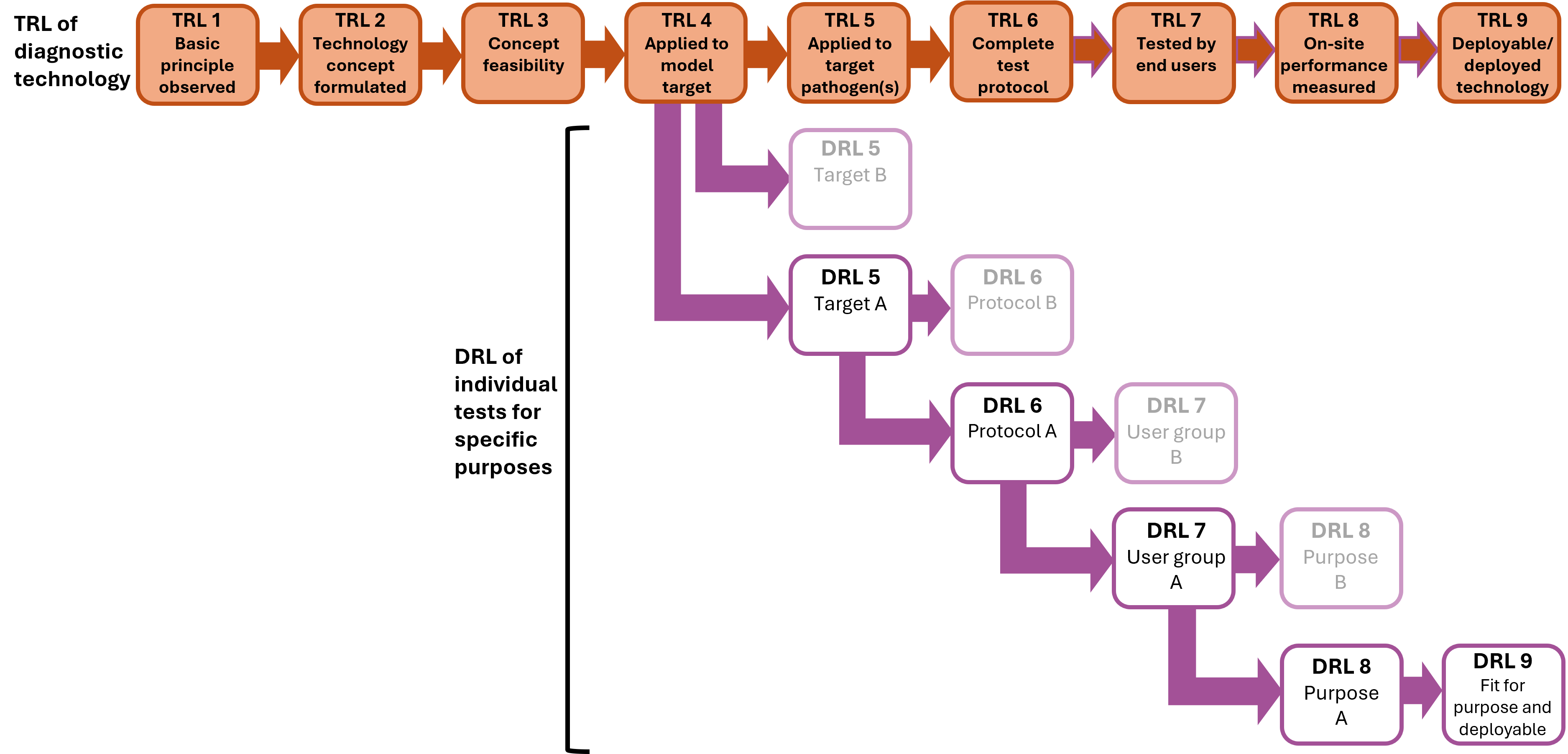
- Lay Summary
- Executive Summary
- 1. Introduction
- 2. Methods
- 3. Results
- 3.1. Horizon scanning
- 3.2. Stakeholder study
- 3.2.1. Survey
- 3.2.2. Focus group discussions and project synergies
- 3.2.2.1. Importance of defining the testing scenario
- 3.2.2.2. Considerations before on-site test development: identification of evidence gaps
- 3.2.2.3. Feedback on DRL Framework
- 3.2.2.4. Key considerations for implementation of on-site tests
- 3.2.2.5. Accreditation for on-site tests
- 3.2.2.6. Potential use of on-site tests as screening tools
- 3.2.2.7. Current challenges in pathogen testing of food products
- 3.3. Recommendations for the development and deployment of on-site diagnostics
- 3.3.1. Introduction
- 3.3.2. Defining the purpose of testing
- 3.3.3. Assessment of current Deployment Readiness Level (DRL)
- 3.3.4. Process to advance towards deployment (DRL 9)
- 3.4. Application of recommendations to the selected case studies
- 3.4.1. Case study 1: Testing Salmonella in sesame seeds using real-time LAMP
- 3.4.1.1. Purpose of testing
- 3.4.1.2. Potential benefits and negative impacts of testing
- 3.4.1.3. Assessment of current DRL
- 3.4.1.4. Barriers to deployment and potential solutions
- 3.4.2. Case study 2: Testing E. coli in irrigation water using portable real-time PCR.
- 3.4.2.1. Purpose of testing
- 3.4.2.2. Potential benefits and negative impacts of testing
- 3.4.2.3. Assessment of current DRL level
- 3.4.2.4. Challenges, gaps to deployment and potential solutions
- 3.4.1. Case study 1: Testing Salmonella in sesame seeds using real-time LAMP
- 4. Discussion
Lay Summary
On-site testing has several potential advantages including reduced time to obtain results; however, the use of on-site tests for pathogen detection is currently limited in the food sector. Previous work in phase 1 of the Pathogen Surveillance in Agriculture, Food and Environment (PATH-SAFE) Programme identified on-site diagnostic technologies with the potential to be used for detection of foodborne pathogens (Elliott et al., 2026). In this report we have developed recommendations for the process of test development and deployment which describes key considerations and activities for each stage of development that help to move a test toward operational deployment. The recommendations are broad in scope in order to be applicable to any on-site diagnostic technology and testing scenario, ranging from statutory testing, for which performance criteria and other requirements are specified in existing regulatory frameworks, to non-regulatory purposes which could include screening and monitoring of hygiene processes. By defining a specific step-by-step process, the recommendations provide a means by which diverse stakeholders can collaborate to progress on-site testing towards deployment in the food sector.
Executive Summary
On-site diagnostic tests have the potential to enable rapid detection of foodborne pathogens. The first phase of the PATH-SAFE project which preceded the current project identified on-site diagnostic technologies with the potential to be used for pathogen detection in the food sector (Elliott et al., 2026). The development, validation, and implementation of on-site tests is complex, requiring careful consideration of technical and non-technical aspects. This project follows on from the previous work by developing recommendations for how each step of this process can be approached in order to ultimately determine whether specific on-site tests are fit for purpose. These recommendations are intended to be applicable to tests based on any technological approach and any potential deployment context, including both regulatory and non-regulatory scenarios.
A broad horizon scanning exercise was conducted to identify existing guidelines and processes related to the deployment of on-site diagnostic tests for foodborne pathogens within the food sector and in other areas. Existing resources generally focus on the minimum performance criteria and other specific requirements for testing in specific, predominantly regulatory, scenarios. The recommendations developed here fit into the landscape of existing regulatory frameworks by providing a description of the process of test development which defers to context-specific criteria where these exist. Stakeholder engagement via a survey and focus group discussions helped to align the recommendations with their real-world requirements and provided insights into the key factors to consider at different stages of test development.
The recommendations are structured around a ‘Deployment Readiness Level’ (DRL) framework which was developed in this project as an extension of a Technology Readiness Level (TRL) framework for diagnostic technologies used in phase 1 of work carried out during PATH-SAFE (Elliott et al., 2026). While the TRL framework is used to assess the overall maturity of a diagnostic technology, the DRL framework is used to assess the readiness of individual tests for specific deployment scenarios. The recommendations outline the key activities at each Deployment Readiness level. However, rather than providing an exhaustive list, the recommendations are intended to prompt test developers to consider key considerations, including the validation and operational parameters relevant to the specific testing scenario. The recommendations were applied to two model on-site tests in development in order to assess their current readiness for use in defined hypothetical deployment scenarios and identify barriers to their deployment, evidence gaps and potential next steps. The tests used in this exercise were developed in pilot studies in phase 1 of PATH-SAFE (Elliott et al., 2026).
Minimum performance criteria and other requirements vary significantly depending on the intended application of a test. In the case of testing for regulatory purposes, these requirements may be stringent and precisely defined by existing standards. At the other end of the spectrum, explicit minimum performance requirements have yet to be defined for many non-regulatory testing scenarios, and in some cases fundamental research may be necessary to underpin the establishment of meaningful performance criteria. An explicit understanding of the intended purpose of a test is therefore clearly a prerequisite for assessing its fitness for that purpose.
Increased collaboration between method developers, test end-users, government bodies and other relevant stakeholders has the potential to enhance the adoption of on-site diagnostics, for example, through shared expertise, coordinated training programs, and ongoing feedback mechanisms. It is particularly important to involve end-users from the early stages of test development, and early engagement generally is likely to increase acceptance of new diagnostic technologies. The recommendations are intended to provide a means to generate shared understanding of the process of on-site test development and deployment, harmonising expectations and priorities and helping to build consensus amongst relevant stakeholders.
1. Introduction
The early detection of foodborne pathogens is critical for ensuring food safety and protecting public health, and on-site diagnostic technologies offer a promising advance by enabling faster detection of pathogens compared to traditional laboratory-based methods. Faster detection would reduce response times, helping to mitigate potential health risks and improve the overall resilience of food supply chains. However, the adoption of these technologies in the food sector remains limited.
In the first phase of PATH-SAFE (Elliott et al., 2026) a literature review was conducted to identify diagnostic technologies with the potential to be applied to the on-site detection of foodborne pathogens across the food industry. The technical readiness levels (TRL) (Olechowski et al., 2015) of the diagnostic technologies were assessed in that project using a TRL framework with level descriptions modified for specific relevance to diagnostic technologies. The readiness for deployment of a specific test for a specific purpose, however, cannot be determined solely by the maturity of its underlying technology since deployment decisions require the availability of context-specific validation data. In the current project we expanded the TRL framework used in the first phase of PATH-SAFE to develop a ‘Deployment Readiness Level’ (DRL) framework that can be used to assess an individual test’s readiness for a specific purpose while considering technological, operational and other requirements (Elliott et al., 2026). The primary aim of the project was to develop a set of recommendations that will help to support the development, validation, and deployment of on-site diagnostic tests for foodborne pathogen detection by describing the process by which a test can progress through the deployment readiness levels and its fitness for purpose can be assessed. The recommendations are intended to be broadly applicable to any diagnostic technology and potential deployment scenario. Potential uses for on-site tests could include statutory testing, for example at border control points (BCPs) or as part of food safety inspections. In these instances, on-site tests could offer some advantages over current laboratory testing (such as reduced time to result); however, statutory testing is typically subject to very stringent requirements. Other potential uses include scenarios where testing is not currently conducted, or is limited, for example to refine hygiene or manufacturing processes.
The recommendations developed in this project are intended to be used by stakeholders in the development and implementation of on-site diagnostic tests for detecting foodborne pathogens. Although the recommendations are not specifically intended for use by policymakers, legislators or accreditation bodies in the food sector, they were developed with input from these groups.
For the development of the recommendations, we first conducted a horizon scanning exercise to gain information about existing guidelines and processes relevant to the deployment of on-site diagnostic tests in the food sector and other areas. We also conducted a study to identify relevant stakeholders, understand their opinions and requirements and ensure the recommendations meet the real-world needs of test developers and regulators while also taking into account relevant policies, legislation, and accreditation standards. Understanding existing processes for test development and deployment is a crucial aspect of the recommendations. Additionally, it is essential to understand regulatory perspectives to ensure on-site diagnostic tests are legally compliant and widely accepted. The findings from the end-user study informed the development of the recommendations and highlighted key considerations for the use of on-site tests. The recommendations were applied to two example tests and hypothetical deployment scenarios as case studies to demonstrate how the recommendations can be used to clarify current test status, identify necessary next steps and assess their longer-term potential.
2. Methods
2.1. Horizon scanning for relevant deployment guidelines and processes
A search was undertaken for existing guidelines or frameworks designed for the official deployment of on-site diagnostic tests. This activity aimed to include guidelines for foodborne pathogen diagnostics which may occur outside the United Kingdom and processes employed outside the food sector, for example, in human and plant health. The strategies for this horizon scanning activity included searching and reviewing the websites of international agencies involved in the regulation of testing, or who may have an involvement in deployment of on-site testing (Table 1). We also searched the academic literature for studies, reviews and opinion pieces concerning successful deployment of on-site testing.
2.2. Stakeholder study
We aimed to reach stakeholders who would use the recommendations or who would have an interest in their content and potential use, which included policymakers, regulators, accreditation bodies, test developers and official laboratories involved in implementing and utilising diagnostic methods. To build the stakeholder database, relevant connections established during the first phase of PATH-SAFE (Elliott et al., 2026) were identified and efforts were made to reconnect with them. For a broader approach, the Food Analysis Performance Assessment Scheme (FAPAS) team at Fera Science Ltd. facilitated engagement with additional stakeholders. The database was expanded by connecting with existing contacts of the FSA and Fera Science Ltd., using a snowballing approach. Social platforms were also utilised by advertising on LinkedIn, the Food Safety Research Network (FSRN) website, and the British Retail Consortium (BRC) food community bulletin.
2.2.1. Survey and focus groups
Interaction with stakeholders consisted of an initial survey (see Appendix A) to gather relevant information followed by targeted focus groups with the most relevant stakeholders to gather more detailed insights.
The survey aimed to collect stakeholder opinions regarding the use of on-site testing in food safety including its potential applications, where it could take place, and current barriers to deploying such tests. Additionally, it aimed to gather opinions on what should be included in the recommendations developed in this project, and how they could be effectively utilised. The survey also gathered opinions regarding the criteria an on-site test would need to fulfil in order to become accredited for statutory/official testing. The survey comprised 22 questions combining closed and open-ended formats (Appendix A) and was circulated to participants using the Qualtrics survey platform in September/October 2024.
Relevant participants from the survey and additional contacts were invited to participate in one of three 60-minute focus groups conducted on Microsoft Teams in November 2024, with an emphasis on test development, test deployment, and policy and accreditation, respectively.
The test development focus group included six participants from commercial companies and research and development roles, whose primary experience was within the test development phase. Specifically, participants in this focus group have responsibilities for providing and developing testing services, and included employees of official laboratories, academic researchers, and developers of on-site testing technologies from commercial companies. The test deployment focus group consisted of four participants with roles in the meat and dairy industries or industry advisory bodies with an understanding of the practical aspects of deploying on-site testing. The policy and accreditation focus group consisted of six participants within government or involved in test accreditation.
The focus group sessions began with an introduction to the PATH-SAFE project and the work carried out in Elliott et al. (2026), followed by an overview of the draft recommendations, and the subsequent discussions were tailored to the participants’ respective areas of expertise. In each group, the importance of having a clear purpose for testing and key factors to consider when defining a testing scenario was discussed. The group with the test developers focused on gathering feedback on the DRL framework, specifically regarding its clarity, potential gaps and usefulness.
With the test deployment group, we discussed the barriers to adoption of on-site diagnostic tests, the training and support needed for end-users, and the criteria needed to ensure operators are properly trained to maintain consistent performance. Additionally, we explored the level of expectation or experience regarding validation of test performance in the deployment setting when adopting a new test.
We asked the policy and accreditation group to help define the evidence required for deployment decisions. Discussions included identifying areas that should or should not be considered for on-site testing from a policy perspective, evaluating the suitability of existing accreditation processes for on-site tests, and determining whether accreditation requirements would differ for tests used as screening tools. Participants were also asked about evidence gaps and legislative requirements that need to be addressed to clarify when and for what purposes on-site testing could be implemented.
2.2.2. Connections with other projects
As part of collaborations with other projects, we connected with colleagues at LGC Ltd. who recently conducted a project for FSA to develop guidance/recommendations for point-of-contact (POC) technologies for food authenticity (FSA project FS900408); the findings were compared to the current project’s findings and we collected valuable feedback. Discussions were also held with colleagues at Fera Science Ltd. who are involved in work relevant to the current project. These include a current Defra-funded Future Proofing Plant Health (FPPH) project developing an implementation plan to address barriers to the successful deployment of diagnostic technologies; the Genomics for Animal and Plant Disease Centre Phase II (GAP-DC2) project led by APHA, which aims to scope applications where high throughput sequencing technologies could be used for diagnostics at BCPs; and current work on the use of LAMP for identification of plant pests at BCPs.
2.3. DRL framework and drafting recommendations for development and deployment of on-site tests
A novel Deployment Readiness Level (DRL) framework was developed which builds on a Technology Readiness Level (TRL) scale for diagnostic technologies that was developed in the first phase of PATH-SAFE (Elliott et al., 2026). The DRL scale describes the readiness for deployment of individual tests in specific scenarios, rather than the technological maturity of the underlying technology which is assessed using the TRL scale. The DRL framework formed the basis of the recommendations which were also informed by the stakeholder study. ISO standards including ISO 9001, ISO 17025, ISO 16140, ISO 5725 and ISO 17034 were reviewed to gather information on validation requirements (ISO, 1994, 2015, 2016b, 2016a; ISO/IEC, 2017). Additionally, feedback from relevant stakeholders was collected on the draft recommendations, and the recommendations were revised accordingly.
2.4. Application of recommendations to selected case studies
The recommendations were applied to two on-site tests to assess their current stage of development and identify key challenges and barriers to their deployment in specific hypothetical scenarios. The test/scenario combinations selected as case studies were taken from the first phase of PATH-SAFE (Elliott et al., 2026) and were: (1) testing for Salmonella in sesame seeds using portable real-time Loop-Mediated Isothermal Amplification (LAMP), and (2) testing for E. coli in irrigation water using portable real-time PCR. In these case studies the background context, current readiness and next steps were informed by the results of work carried out in the previous project, as well as a review of relevant scientific literature.
The case studies were conducted by two scientists with relevant expertise in the Detection and Surveillance Technologies team at Fera Science Ltd. who were not directly involved in the method development in the first phase of PATH-SAFE (Elliott et al., 2026).
We used the case studies to test the recommendations and to develop intelligence-led scenarios, including the intended purpose and potential benefits of these tests. We then determined the current DRL following recommendations and used a literature search to identify and expand on gaps, challenges and barriers to deployment. The identified barriers were then used to extend the scope of the case studies to address broader issues.
3. Results
3.1. Horizon scanning
The horizon scanning activity identified various sources of information relevant to the topic of on-site testing for foodborne pathogens in the food sector, but there was no evidence for existing recommendations or frameworks which describe the process of development and deployment in the way envisaged by the current project. However, the FDA, WHO and CDC in the United States produce guidelines for the development of diagnostic tests and devices for medical applications, such as those approved under the Emergency Use Authorisation (EUA) for COVID-19 (FDA, 2021) which apply to the authorisation of tests in specific scenarios. These guidelines define the level of performance evaluation needed for approval and the studies required to support point-of-care use. We also explored more general guidelines for deployment and development of laboratory tests. In the FDA guidelines for the validation of laboratory methods for analysis of food products including nucleic acid sequence-based methods which may aim to replace a reference method (FDA, 2023), the level of evaluation and validation required is described.
The WHO developed a handbook that outlines principles for planning, developing, and publishing WHO guidelines concerning clinical practice and public health policy (World Health Organisation, 2014). In healthcare, the Grading of Recommendations Assessment, Development, and Evaluation (GRADE) system is used to assess the quality of evidence and the strength of recommendations (Guyatt et al., 2008). To our current knowledge, this system has not yet been adopted in the food sector. We referred to a manual on selecting WHO-recommended molecular rapid diagnostic tests for detecting tuberculosis and drug-resistant tuberculosis (World Health Organisation, 2022), as well as a WHO operational handbook on tuberculosis rapid diagnostics (World Health Organization, 2024). These sources provided information on the steps and processes for implementing a new diagnostic test which informed development of the current recommendations.
As a regulatory requirement in the US, a Clinical Laboratory Improvement Amendments (CLIA) certificate of waiver is required to permit the use of low complexity tests in a point of care setting. The CDC website provides guidance documents tailored to specific tasks and diseases, such as guidelines for the interpretation of rapid influenza diagnostic test results (CDC, 2016), and biological risk management for POC testing sites (CDC, 2022). Guidelines published on the UK government website and by UK health sector organisations (NHS, DHSC, MHRA, PHE and HIS) had a primary focus on deployment of POC tests, particularly in reference to COVID-19 and other respiratory illnesses (MHRA, 2021a; PHE, 2019). This includes advice on acceptable performance characteristics, and operational and logistical considerations such as location of testing, training of test operators and quality assurance (IBMS, 2023; MHRA, 2021a, 2021b). PHE released a guidance document on the sampling and examination of food, water, and environmental samples in healthcare settings (PHE, 2020).
ISO standard 15189:2022 includes requirements for POC testing conducted in hospitals, clinics, and by healthcare organizations providing ambulatory care (ISO, 2022). This new standard has replaced ISO 15189:2012 and ISO 22870:2016, the latter of which was the specific standard for POC testing (ISO, 2012, 2016c). ISO 16140-2:2016 specifies the protocol for the validation of alternative (proprietary) methods against a reference method for detection or quantification of microorganisms in food and feed (human and animal) (ISO, 2016a) and is of particular relevance to the current project.
Work has been carried out on the deployment of on-site diagnostics for the detection of plant pests and pathogens, including development at Fera Science Ltd. on a framework for deployment of field-based diagnostics to guide the deployment of LAMP at BCPs (currently unpublished). The scope of the framework sets out the circumstances under which it is appropriate to use specific on-site tests, and provides advice on facilities and equipment requirements, as well as training, quality assurance and proficiency testing; however, development and validation of on-site tests was not within the scope of this framework. EPPO publish guidelines for implementing and gaining accreditation for diagnostic tests in plant health (PM7/98) (EPPO, 2021) which include implementation of quality management systems, facility requirements, test selection and validation.
Trials of POC tests in medical settings have been widely reported and their technical and operational performances characterised (Cao et al., 2024; Sherriff et al., 2024). These studies could be useful guides for what to consider when performing pilots of on-site tests in food safety settings, including how many sites are to be evaluated, for what period, and how to use proficiency testing. Published reviews have also outlined some common pitfalls and barriers encountered in the deployment of POC testing, including insufficient training of end-users and lack of appropriate funding and resources (Derda et al., 2015; Nichols et al., 2020).
Although there were no available documents directly related to the deployment of on-site tests for foodborne pathogens in the food sector, guidelines within the healthcare sector and plant pest diagnostics will provide a useful basis for key points within this framework. Guidance on validation and accreditation of new laboratory tests for foodborne pathogens also provides important information on the key considerations for implementation of a new test in this sector.
In summary, this activity identified guidelines which variously cover the performance criteria required for the authorisation of on-site/point-of-care tests, primarily for specific health care and disease control applications, the evidence required to underpin the selection of diagnostic tests and other clinical interventions, and the technical and usability criteria that are required to allow use in a point-of-care setting. The recommendations developed in the current project are not intended to define the minimum performance or usability criteria that must be demonstrated for specific applications but rather puts these requirements into the broader context of the test development process, while deferring to the relevant regulations, legislation, standards or other frameworks that apply to specific scenarios. Where minimum criteria are not explicitly mandated elsewhere, the recommendations are intended to form a basis on which to establish consensus between stakeholders and allow these requirements to be defined.
3.2. Stakeholder study
3.2.1. Survey
The survey is reproduced as Appendix A of this report. Nineteen responses to the survey were analysed, with two international respondents and the rest from within the UK. A range of roles were covered, from research scientists to those in official controls and enforcement within government. Ten of the respondents had previously worked on aspects of on-site testing.
The survey provided insights into the current testing requirement of the participants. Current uses of testing for foodborne pathogens include confirming the absence of a pathogen for import/export purposes or a specific test requested by a retailer. Confirming the quantity of pathogenic or indicator species was also common with around half of participants using testing for this purpose. Scenarios highlighted as having the potential to benefit from on-site testing included testing at BCPs by local authorities and using on-site testing as supplementary testing during incident response management. Another theme highlighted was instances where speed of testing results is key, such as those requiring a negative pathogen result to release short shelf-life products into the market, or for export. Risk management and evidence gathering were also highlighted by the participants as key scenarios where on-site testing could be used to provide a wider understanding about risk points. Environmental and hygiene monitoring, such as testing for Listeria in food processing environments or STEC in salad wash water or irrigation water, were also mentioned. Potential applications discussed by participants broadly serve the purpose of expediting testing currently performed in laboratories, or providing results/generating data that is not currently collected.
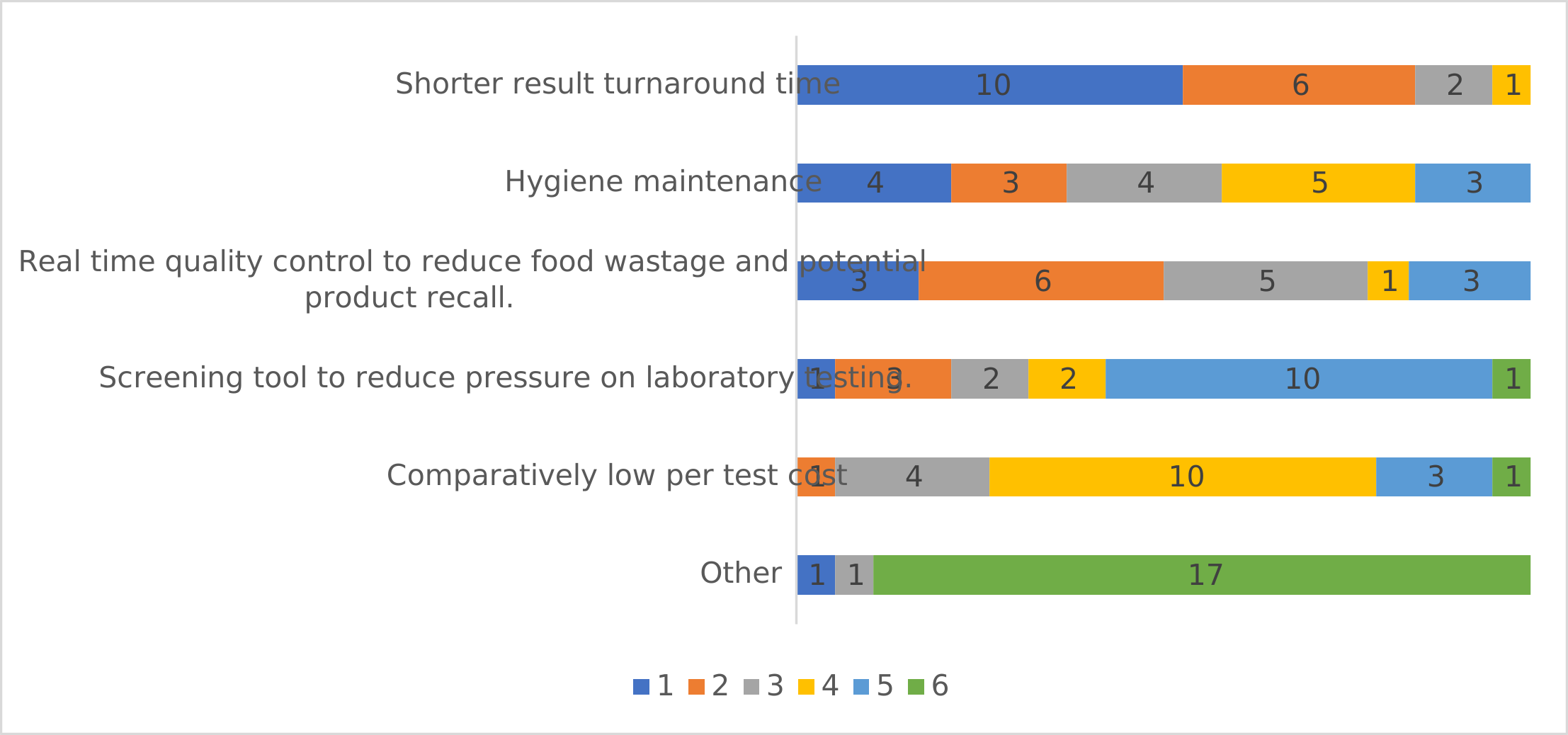
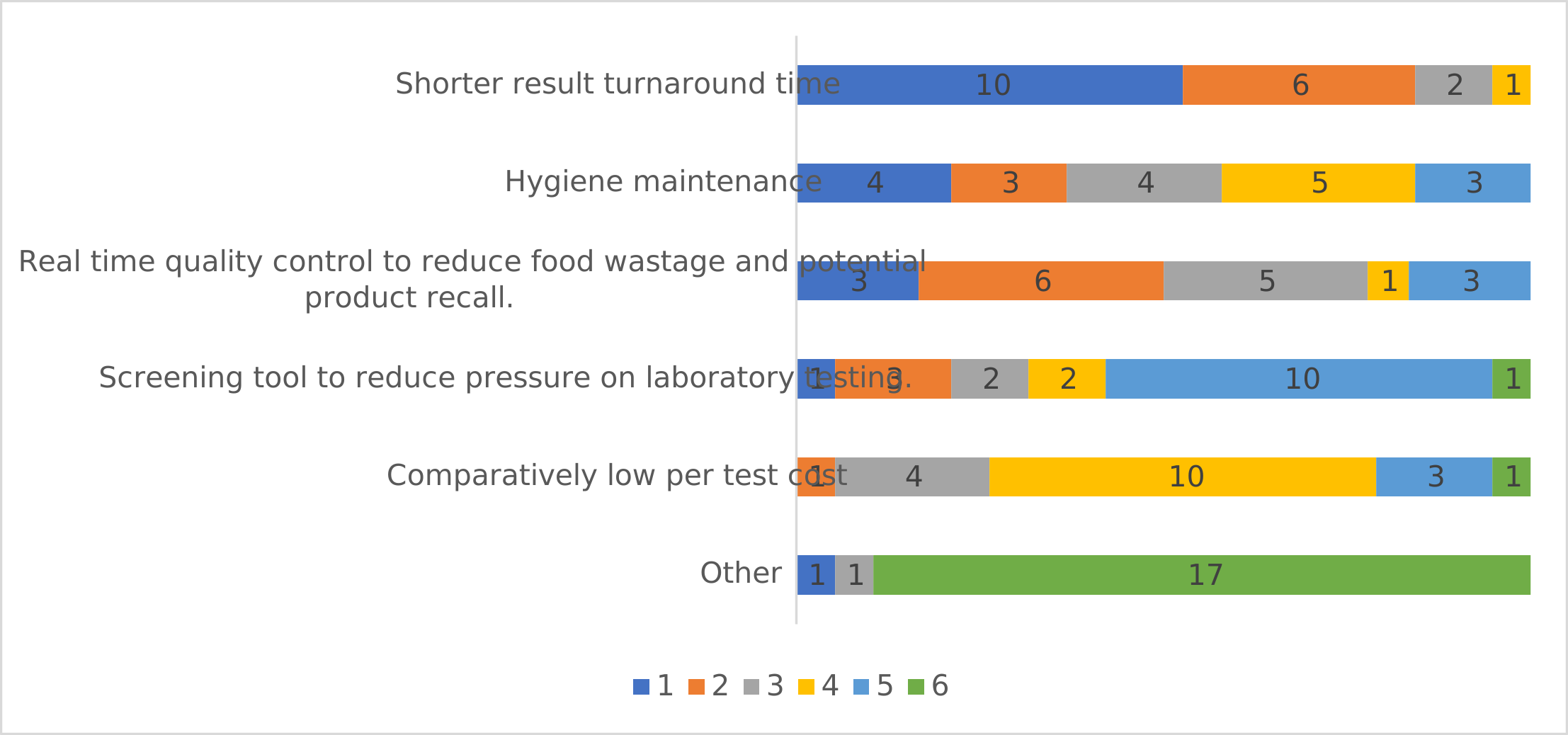
Respondents ranked shorter turnaround times as the main benefit of on-site testing (survey question 10), whereas the lowest ranked benefit was an improvement in the cost of testing, and lower per test cost (Figure 1). Other advantages mentioned by respondents which weren’t included in the selection list were the possibility of increasing the volume of testing and scalability which could be beneficial for improved outbreak response.
Participants perceived the main barrier to development and deployment of on-site testing (survey questions 11 and 12) to be the lack of reliable, validated, or accredited tests, followed by the lack of equivalence of performance with current testing standards. The legislative requirements for testing were also seen as a barrier to replacing current ways of working to include on-site testing. Key points highlighted by participants to overcome barriers and promote uptake of on-site testing included:
-
Highlighting case-studies and success stories to increase awareness of on-site testing opportunities and potential.
-
Economic modelling to show cost reductions or other benefits to justify investment in the technologies.
-
Government and industry support, including providing clarity on when on-site testing is appropriate.
-
Development of surveillance strategies within the food supply chain or screening approaches which could use on-site testing (i.e. for early detection or risk management).
-
Investment and innovation in method development to produce and validate on-site tests which are equivalent to traditional microbiology methods, as well as being truly suitable for on-site testing.
Diagnostic sensitivity, specificity and reproducibility were all considered extremely important by most participants (survey question 17). The questionnaire highlighted that this depends on the purpose of the test and if testing is being considered as a screening approach, then false positives may be less problematic than false negatives as these would be corrected by subsequent laboratory confirmatory testing. Therefore, suitable tests for this purpose would require very high sensitivity but could potentially be less specific. Reproducibility was considered key in most cases especially if the tests are aimed at end-users with less experience in performing tests.
Overall, the survey participants indicated that using these tests for more novel approaches, i.e. where testing doesn’t currently take place, for increased surveillance and risk management data, or for screening approaches, the performance must be well characterised so that informed decisions can be made, but tests do not need equal performance to gold-standard methods in all validation criteria. However, if the tests’ purpose is to replace current testing and provide statutory testing outcomes, then they need to have proved equivalence to current methods to gain government/industry acceptance (survey question 18). Although cost wasn’t rated as a key perceived benefit of on-site testing, an economic incentive for using the testing would be a key driver to increase uptake.
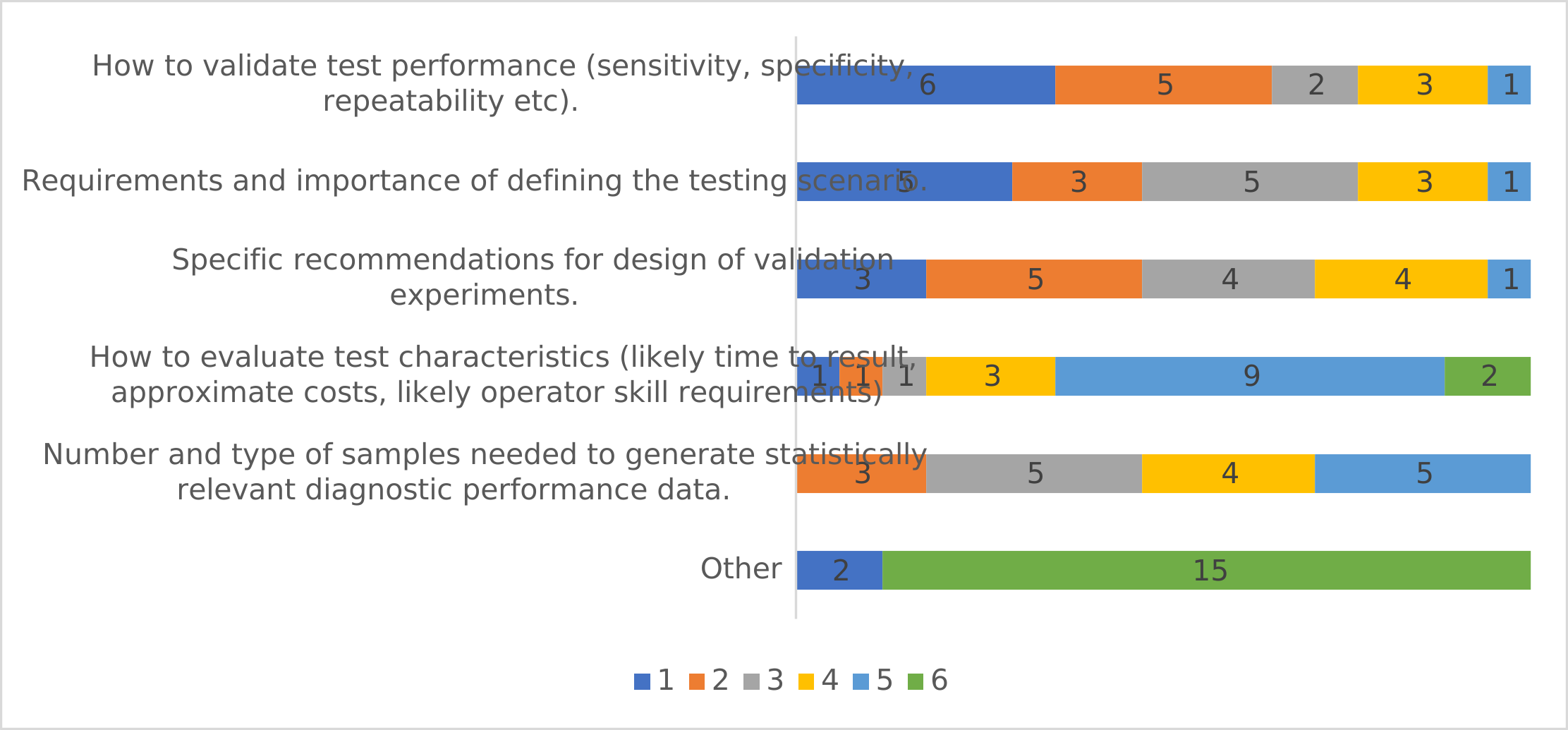
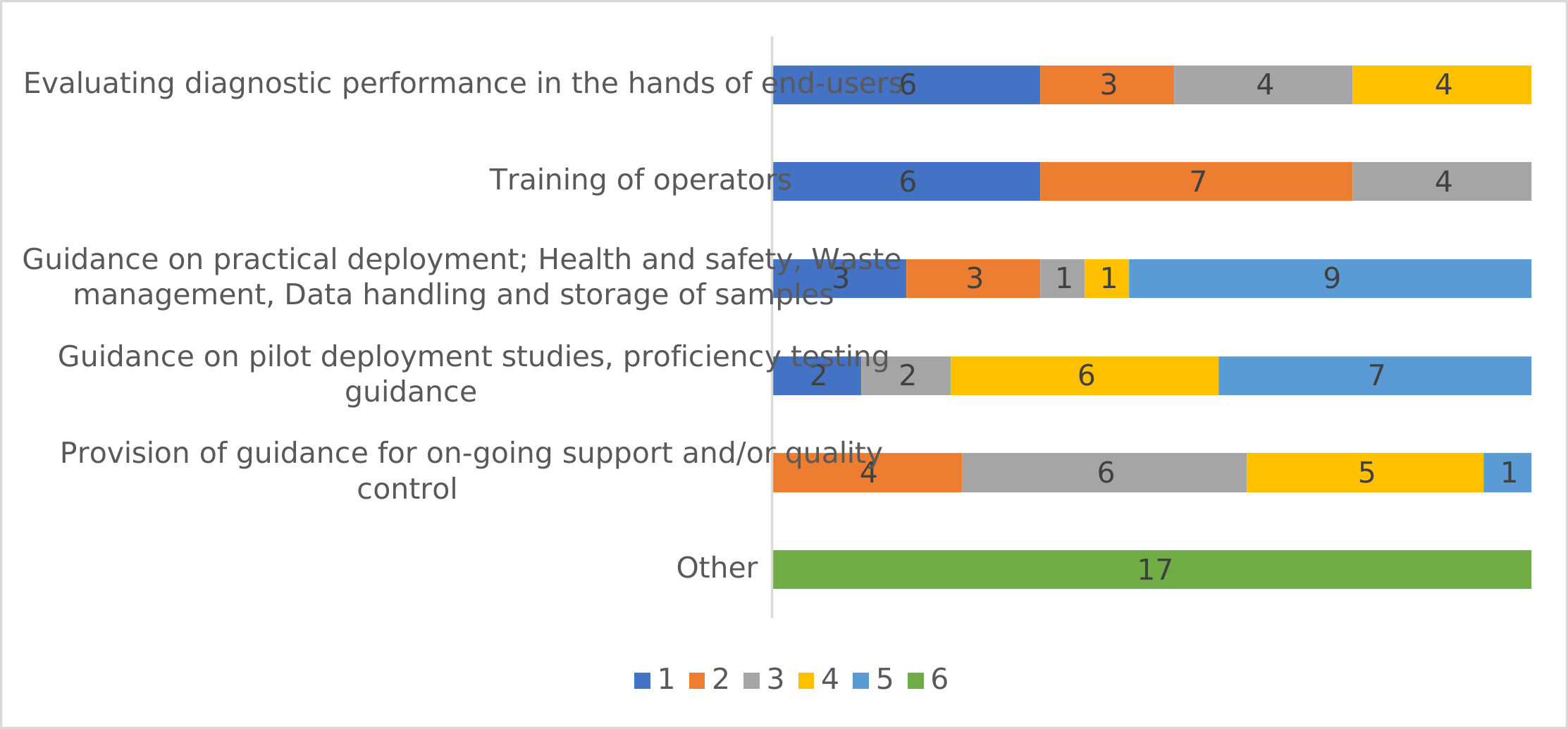
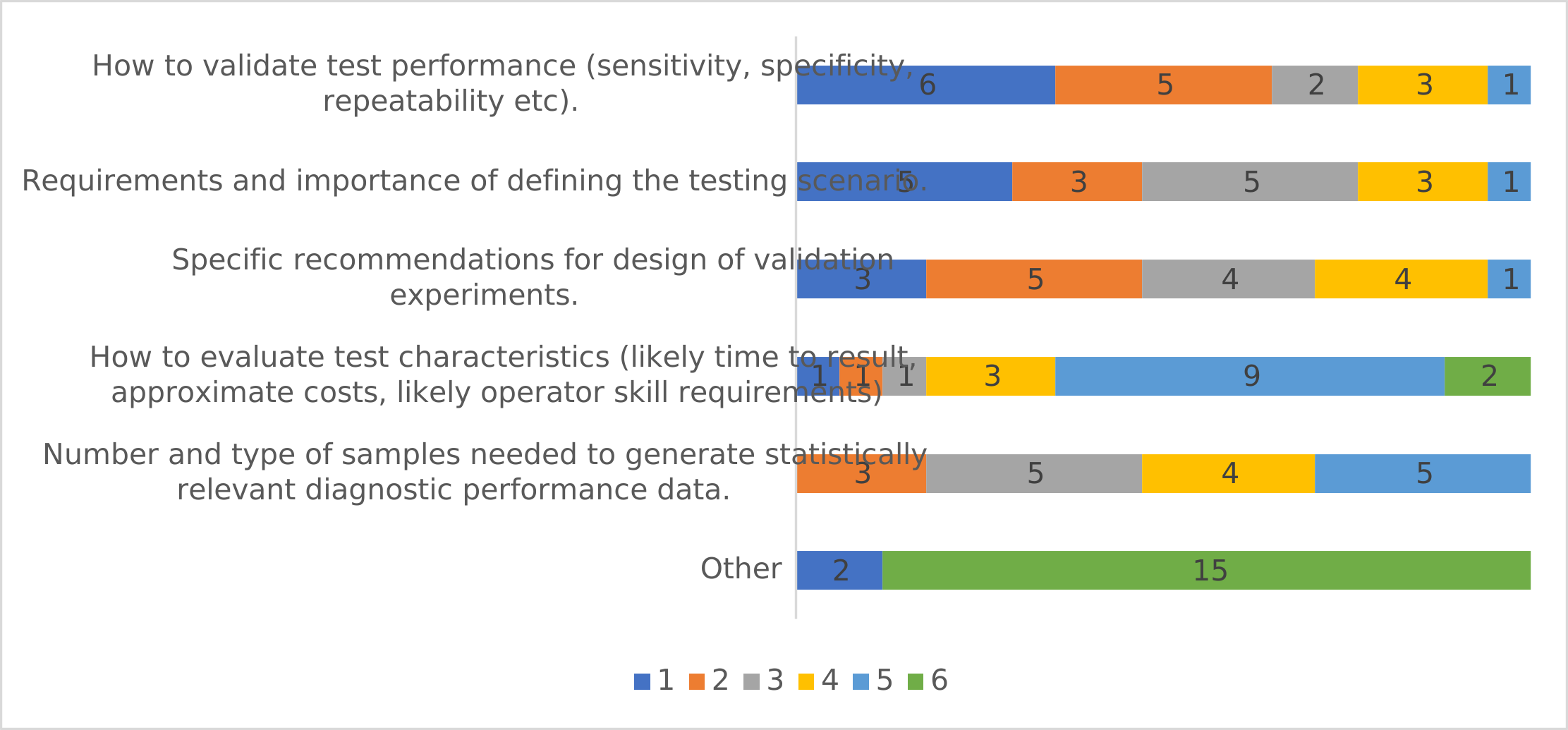
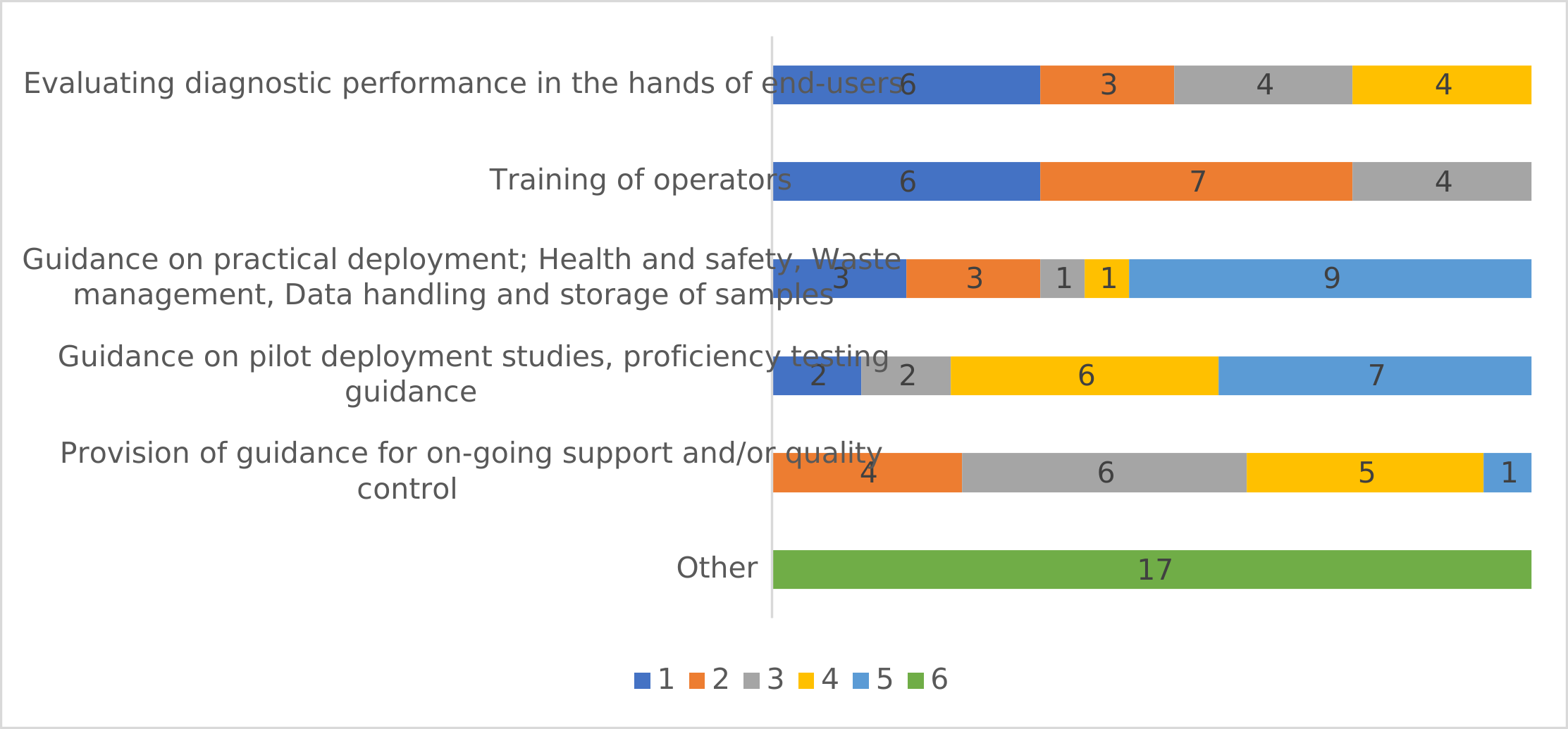
The survey highlighted specific areas which require guidance when developing and deploying on-site testing and helped to focus efforts within our recommendations (survey questions 19 and 20). During the development phase of a new test, guidance is needed on how to validate test performance and specific advice on how to design these experiments, and the requirements for defining a testing scenario and its importance (Figure 2). During the test deployment phase, the survey emphasized a key area is evaluating diagnostic performance in the hands of end-users and the training of operators (Figure 3).
3.2.2. Focus group discussions and project synergies
Thematic analysis of the focus group discussions revealed some key areas of interest among the participants. Insights from related projects also highlighted some key aspects for consideration in the drafting of the recommendations.
3.2.2.1. Importance of defining the testing scenario
Participants agreed that defining the scenario and the problem a test aims to solve is crucial to provide the necessary context for testing and to enable costs and benefits to be evaluated. It is particularly important to be clear whether the test is intended to be part of official controls or integrated into food safety management systems at the operational level, as these considerations are critical for ensuring the test’s practical and regulatory applicability. Initial consideration of the specific testing scenario also allows the requirements of the intended users to be considered from an early stage.
The location and deployment conditions can influence the suitability of a test or affect test performance. Therefore, before test development or while validating a test, it is crucial to consider the local conditions and available facilities. For example, tests may not be transferable between countries if designed or validated for the pathogen isolates and diversity within that country. When discussing the current deployment of on-site testing within the plant health sector at BCPs, it was emphasised that different locations come with unique challenges due to the diversity of imported products and importing countries, as well as varying operational working conditions.
Conversations with LGC also emphasised the importance of defining the purpose of testing and how this results in an intelligence- and trade-led approach, as opposed to a technology-led approach to deployment. This was highlighted as vital by participants within the LGC study (Burns et al., 2024). The LGC study participants highlighted that due to perceived compromises in performance with on-site tests they were viewed as screening tools ideal for cost effective and quick repeated sampling, and similar opinions were identified in the current project. Clarity from the outset about specific deployment scenarios could therefore increase acceptability amongst stakeholders.
The GAP-DC project has recognised the importance of defining a purpose for the use of HTS at the borders for a one-health approach to diagnostic testing. The first parts of the project are a discovery stage to understand what is needed at the borders for different disciplines, how HTS could be used to provide benefits, and where issues are present. HTS does have value as it is a sensitive, non-targeted approach to detect a broad range of pests and pathogens; however, in its current form, it is too slow and expensive for routine use at BCPs (Output from Defra funded project SE0574 Genomics for animal and plant disease consortium).
3.2.2.2. Considerations before on-site test development: identification of evidence gaps
Some participants highlighted the continued need for foundational research in pathogen testing, emphasising the need to validate assumptions underlying current testing. There were concerns about the sample sizes for testing, as small samples (for example, testing 100 – 1000 ml water samples for E. coli) may not provide representative or meaningful results. The development of robust sampling strategies which are also practically achievable is a prerequisite for many testing scenarios.
It was also highlighted that it is important to critically evaluate the most suitable test for a scenario and consider alternate methods that may be better suited for on-site settings than the traditional test. For example, E. coli is commonly used as an indicator of faecal contamination in water samples, but there are concerns that correlations between indicator organisms and pathogen risks are assumed but not well-established. Alternative approaches such as tryptophan fluorescence spectroscopy using portable instruments could be used as a non-specific proxy for detection of faecal contamination. More research and potentially large-scale studies would be needed to provide appropriate evidence. Gaining acceptance for alternative methods could be challenging if performance differs significantly from standard reference methods. There is a widespread perception that the requirement that alternative methods should exhibit at least equivalent performance to standard reference methods, as described in ISO 16140 (part 6), applies to all testing scenarios, rather than specifically testing within regulatory frameworks requiring the use of standard reference methods (ISO, 2016a). The lack of guidance on validating non-traditional assays was also mentioned by the participants.
The discussion emphasised the need for a robust biological premise when developing on-site tests particularly in case of emergent pathogens about which little is known. This highlights the importance of building testing frameworks on well-established, evidence-based foundations to ensure they effectively meet their intended purpose.
It was heavily emphasised in discussions that the sensitivity of new tests must be carefully evaluated. The overriding concern is that less sensitive tests will lead to false negative results; however, for some applications it was felt that overly sensitive tests can result in excessive and impractical detections which do not correlate well with the need to take action. This reiterates earlier points that acceptable test characteristics are to some extent dependant on the specific testing scenario. For example, hygiene indicators may be used primarily for trend analysis, such that lower accuracy of individual results may be an acceptable trade off with other factors such as the ability to test a larger number of samples. In contrast, participants felt that specific pathogen tests should aspire to 100% accuracy in order to best support decisive corrective actions and ensure food safety.
Participants also underlined the importance of test protocols yielding live microorganisms to enable further characterisation such as genetic analysis, antimicrobial resistance profiling, and linking isolates to human cases. The utility of nucleic acid-based tests for some applications is limited if they cannot provide viable organisms for downstream analysis, and compatibility with additional or confirmatory analysis is a factor that should be considered.
3.2.2.3. Feedback on DRL Framework
Participants expressed favourable opinions of the DRL framework, recognising that the readiness of individual tests for deployment should be assessed separately, even if they use the same technology. This distinction ensures that each test is evaluated as fit for purpose independently and distinguishes validated tests from those requiring further demonstration of suitability. Test developers emphasised the importance of working through all DRL levels, ensuring appropriate engagement with test end-users from early in the development process.
Participants favoured making such recommendations or frameworks publicly available in order to help developers address critical elements, such as sample preparation alongside analysis, which is often overlooked. Frameworks could also be used to guide assessors, such as those reviewing grant applications, in evaluating whether proposals adequately address key aspects needed for effective technology development and successful deployment.
A version of the DRL framework is also being used in the FPPH project at Fera Science Ltd. as part of the implementation plan to address barriers to the successful deployment of diagnostic technologies for plant pests and pathogens. The DRL framework could act as a useful communication tool between stakeholders and different sectors to encourage consensus building and provide a clear estimate of how far tests are from deployment. This is key to being able to assess diagnostic readiness for particular scenarios and anticipate the level of funding and research effort required to reach deployment for priority tests.
3.2.2.4. Key considerations for implementation of on-site tests
For implementing on-site testing, participants mentioned the importance of quality control, operator proficiency, and system robustness to ensure consistent and reliable results. On-site tests must be robust and straightforward to minimise effects of operator variability. Handling potentially contaminated samples and associated consumables introduces challenges related to waste disposal, which require effective management protocols to maintain safety and efficiency. Appropriate facilities and suitable personal protective equipment (PPE) are required for on-site testing of harmful pathogens like STEC, and the need to be carried out in Containment Level 3 facilities precludes on-site use of some tests.
Proper training is critical to ensure operators, managers, and officials are confident in the testing, understand its operation, and can accurately interpret results. The implementation or adoption of tests may vary based on the size of the business. Large businesses often have trained specialists and the infrastructure to support on-site testing, while smaller businesses may lack these resources and expertise. Cost is also a critical factor in determining the feasibility of adopting such testing systems.
The deployment of LAMP testing at BCPs within plant health has highlighted the importance of having the support of an official laboratory during the implementation phase, and this has been key for devising appropriate training and support and providing appropriate materials and protocols for testing operator proficiency.
3.2.2.5. Accreditation for on-site tests
The focus group discussion reiterated that any test being considered for statutory testing, for example as specified in EC 2073/2005, would be required to demonstrate performance that meets or exceeds existing standard reference methods following validation in line with the ISO 16140 series of standards. However, as recognised in the DRL framework, it is acknowledged that test performance may differ under laboratory and on-site conditions, and whether this can be compatible with existing standards is currently uncertain.
It is also very difficult to see how accreditation to ISO 17025, and to a lesser extent ISO 9001, could be achieved for any form of on-site testing (ISO, 2015; ISO/IEC, 2017). Industry-led recognition schemes could be a more achievable approach to defining and enforcing minimum performance requirements, but this would only be relevant to some testing scenarios. Even in the absence of a requirement for formal accreditation, the principles of ISO 17025 and other relevant standards should still be applied to ensure reliability of test results (ISO/IEC, 2017).
Achieving and maintaining accreditation are costly processes requiring financial resources, technically competent personnel, systems for quality control and proficiency testing. Many diagnostic technologies, for example those based on the amplification of nucleic acids, require mechanisms for temperature control, equipment calibration, reagent handling, volumetric accuracy and other critical factors. In a collaborative discussion with LGC it was further emphasised that low sample numbers at individual testing sites would make the acquisition and maintenance of accreditation prohibitively expensive without incentives or subsidies, for example from competent authorities or government. It was suggested that Food Authenticity Network Centres of Expertise may provide a model for a more sustainable approach.
A further consideration is the use of third-party certification schemes for the validation of tests, which are already well-established for independent validation of laboratory methods. For example, AFNOR (Association Française de Normalisation) in France, AOAC (Association of Official Analytical Collaboration) in the United States, and NordVal international operate frameworks for validating and certifying methods. These schemes could serve as benchmark for approval of on-site diagnostic tests up to DRL 6 & 7 and once certified, the responsibility could shift to individual operators (for example, within industry) to implement and validate the test at their own location (DRL 8/9). It was further suggested that organisations such as the British Standards Institution (BSI) could be involved to ensure broader acceptance and practical utility, potentially influencing international standards in the future.
In summary, achieving accreditation for on-site testing for statutory purposes is likely to be extremely challenging. On-site tests could instead be explored for purposes other than fulfilling testing requirements set out in legislation, for example use as screening or evidence gathering tools to provide early warnings or indicate potential risk areas. Critical factors including contamination control, calibration and operator competency remain paramount in the absence of formal accreditation requirements, however, and consideration must be given to how quality control would be maintained to an acceptable degree in non-regulatory scenarios. This includes careful consideration of the meaning of both positive and negative results obtained using an on-site test, as screening for positive samples using a test with lower sensitivity than the confirmatory test is clearly meaningless. False negatives obtained using a screening method could lead to adverse outcomes if only positive results are submitted for confirmatory testing; however, systems could be envisaged in which the screening tool is used as an early warning of high levels of contamination, with prioritisation of laboratory analysis for samples returning a negative screening result to identify false negatives and samples contaminated below the limit of detection of the screen. For any potential application of an on-site test, whether or not accreditation is required, it will be necessary to fully consider the probability and consequences of both false negative and false positive results.
3.2.2.6. Potential use of on-site tests as screening tools
Using on-site tests as screening tools requires careful planning to ensure the results are applied appropriately, preserving the statistical and evidential integrity of the testing process. The perspective of food business operators (FBOs) regarding on-site testing for screening varied. Some see it as a positive measure enabling proactive actions, for instance, a positive result from an on-site test could prompt further sampling for confirmatory laboratory testing. However, others viewed it as a regulatory risk if it opens opportunities for selective sampling or manipulation. Pre-screening can be used to highlight potential issues, but there was consensus that this should not influence the mandated collection of samples for laboratory testing, as this would contravene regulatory standards.
Participants were in agreement that on-site tests should complement and not replace laboratory testing where this is mandated to maintain the integrity and safety of the food supply chain. However, multi-layered testing, integrating on-site screening with downstream laboratory testing could be valuable to enhance some aspects of food safety. Validating these systems is crucial, especially when multiple tests are conducted by different people or organisations, in order to ensure consistent and meaningful outcomes.
3.2.2.7. Current challenges in pathogen testing of food products
Discussion highlighted the challenges and complexities of pathogen testing in food safety, particularly in scenarios where contamination is highly heterogenous as is the case for meat and cheese products. This variability of distribution makes it difficult to accurately assess the risk of contamination through standard sampling methods. In such cases, testing for indicator organisms may be preferred for tracking trends rather than to obtain individual results.
The recommendations developed in the current project are intended to assist test developers to generate the evidence required to determine fitness of a test for a specific purpose; further consideration will be required to determine how this evidence can inform deployment decisions for specific purposes.
3.3. Recommendations for the development and deployment of on-site diagnostics
3.3.1. Introduction
3.3.1.1. Purpose and scope
These recommendations describe a process for the development of on-site tests for foodborne pathogens and the steps by which they can be determined to be fit for purpose for a defined deployment scenario. The process is intended to be applied by test developers to an individual test with a defined purpose and can be applied to tests based on any on-site diagnostic technology. The process is intended to encourage communication and collaboration with any relevant stakeholders including potential end-users of the test. Some testing scenarios may require adherence to minimum performance standards set out in specific regulatory frameworks or legislation and these must be identified at the outset. The recommendations refer to a ‘Deployment Readiness Level’ (DRL) framework in which individual test can be assessed against levels analogous to levels 5 to 9 of a Technology Readiness Level (TRL) scale measuring the maturity of the underlying diagnostic technology. It should be noted that the deployment readiness level of a test applies to a specifically defined deployment scenario, and an assessment of DRL 9 for one application does not imply that the same test is ready for deployment in any other scenario. Also note that the output of this process is intended to be a demonstration of the fitness for purpose of a single test, and context-specific guidelines or processes may be required for scenarios where deployment decisions require further information, for example, comparing the properties of multiple tests.
3.3.1.2. Overview
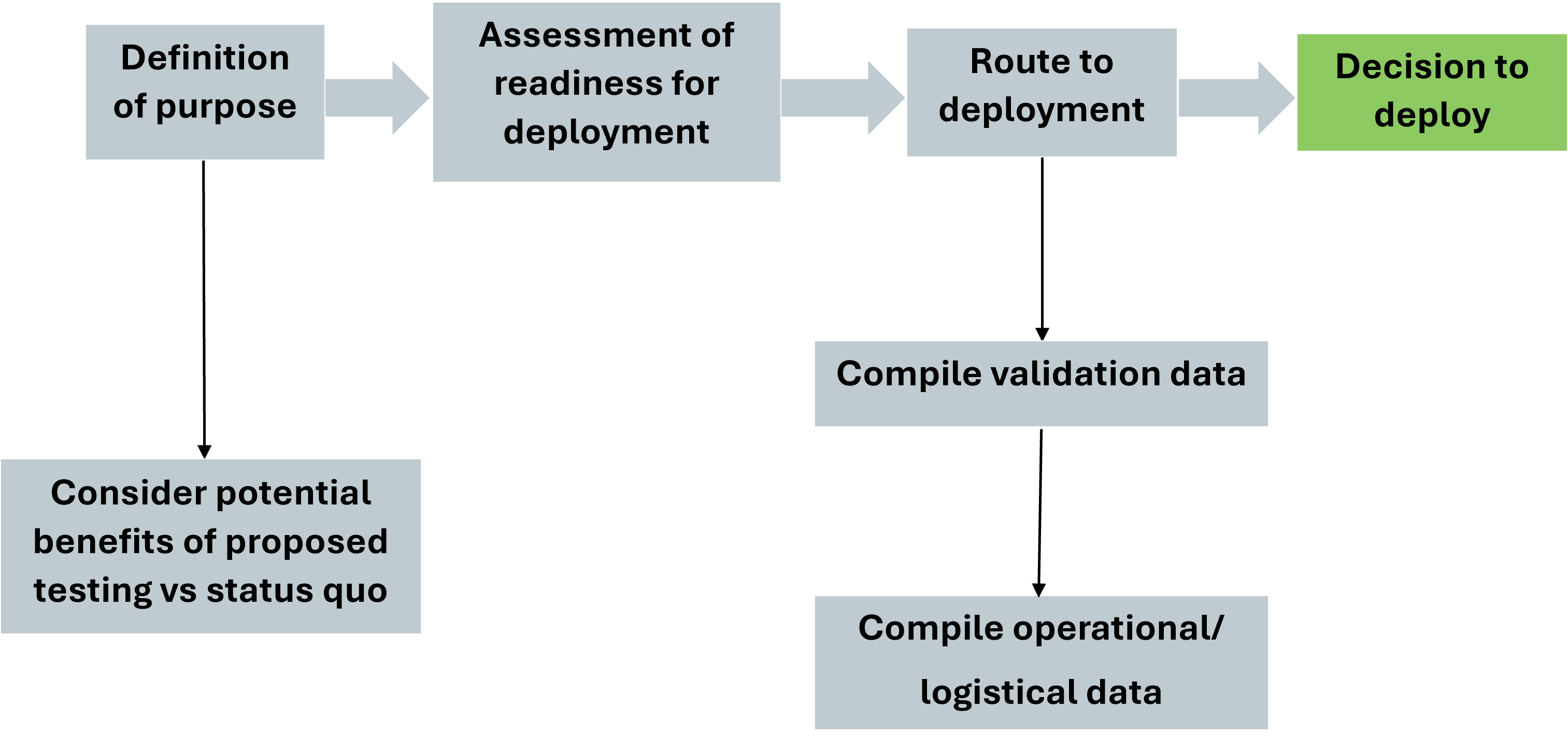
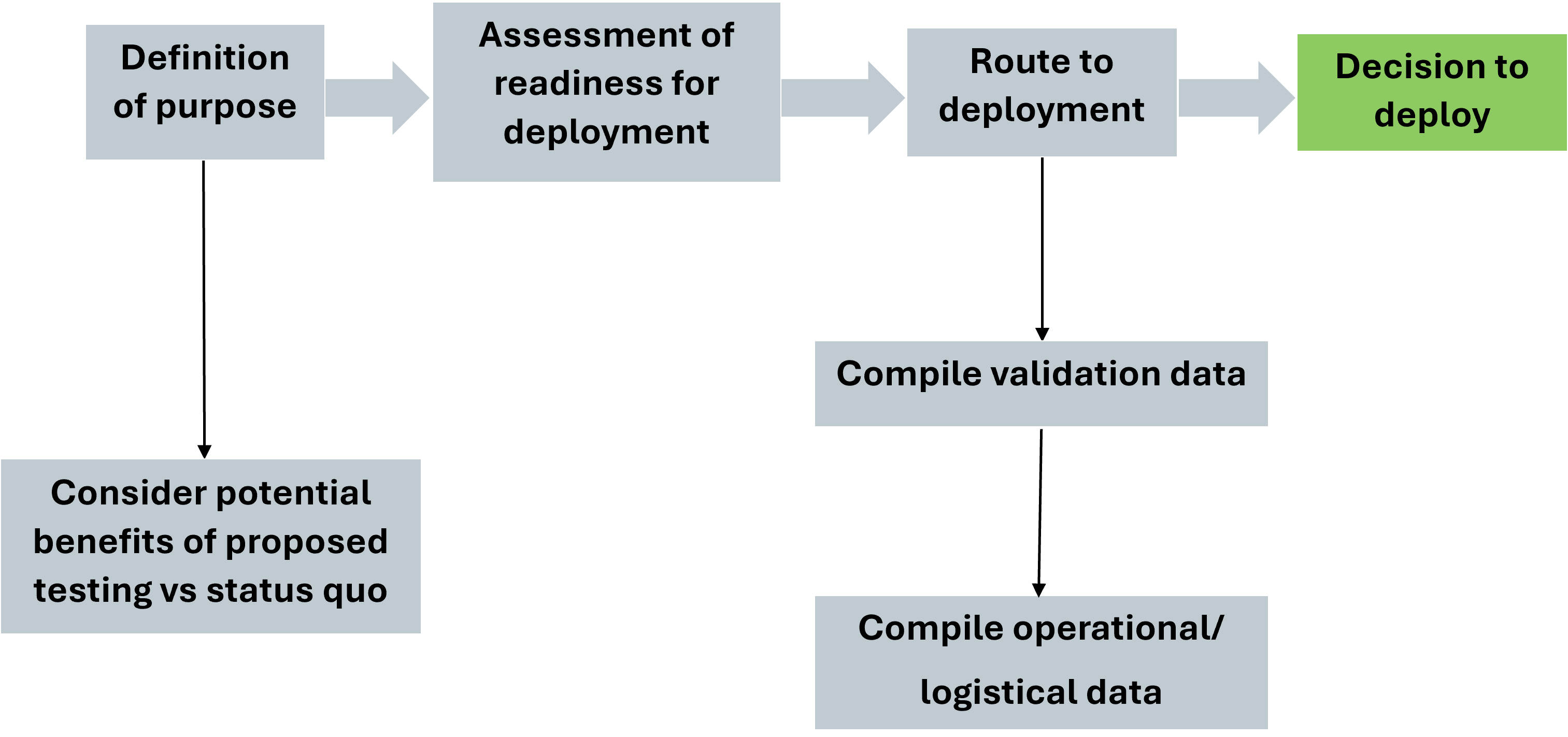
The process described by the recommendations is outlined in the figure below (Figure 4). In summary:
-
The purpose of the test should first be defined and evaluated to confirm that the proposed use is likely to offer tangible benefits to end-users and/or other stakeholders.
-
The current readiness of the test for deployment is assessed in terms of the DRL scale (which is related but not necessarily equal to the TRL of the underlying technology).
-
Development of the test is carried out following a specific process to progress through the levels of the DRL framework.
-
Test performance (validation) data and operational information is compiled to provide the evidence necessary to determine fitness for purpose and inform decisions to deploy the test in a specified testing scenario.
3.3.2. Defining the purpose of testing
In order to determine whether a test is fit for purpose it is necessary to clearly define the purpose for which it is intended. A test which has been shown to be suitable for one specific purpose may be unsuitable for another for many reasons, including test performance, cost, simplicity of use, intended end-users or the overall testing objective. Once the purpose of the test has been defined, it is also necessary to consider whether the intended use is likely to result in substantive benefits in comparison with existing testing arrangements (or if relevant, the absence of testing), and to allow any potential negative impacts to be anticipated and avoided.
3.3.2.1. Definition of purpose
The following factors should be considered in defining the intended or potential purpose(s) of the on-site test. While the following list outlines the potential considerations, it is not exhaustive and may vary depending on the specific test in question.
-
Summary of test (for example, for a test based on amplification of pathogen DNA, summarise the intended nucleic acid extraction method, method for DNA amplification, primer set, and portable instrument).
-
Intended target organism: What is the target organism for the test? This may be a single species or other taxonomic grouping (genus, strain, serovar etc).
-
Intended test matrix/matrices: What is the intended test matrix? Sampling strategy, sample processing and interpretation of results may be determined by the test matrix.
-
Type of test: Is the test intended to be quantitative or qualitative? Will the test discriminate between viable and non-viable pathogen? Does the test use a targeted or non-targeted approach?
-
Primary objective of testing: What is the intended objective for use of the test? For example, detection of a named pathogen to meet a specified regulatory requirement; export or import inspection; or verification of hygiene/quality processes.
-
Is testing for the intended purpose required to conform to any specific standards, regulatory frameworks or guidelines such as EC 2073/2005? If so, what are the specific minimum performance requirements for the test?
-
Upstream/downstream testing: How do you anticipate that the on-site test will be integrated with any existing up- or downstream testing? For example, will the on-site test be used for screening and if so, what confirmatory testing will take place? Is the on-site test compatible with additional testing requirements, such as a requirement to obtain a viable culture for further analysis?
-
Intended (or potential) location of testing: Where will testing take place and what facilities will be available?
-
Intended (or potential) test operators: Who are the intended end-users of the test and what skills are required to perform the test? How will use of the test be integrated into the end-users’ current role and how will their technical competence be tested on an ongoing basis?
-
Anticipated sample throughput and turnaround time: How many samples can be tested, what is the sample size and how quickly will results be obtained?
3.3.2.2. Potential benefits and negative impacts of testing
It is important to consider whether the proposed on-site test is likely to deliver substantive benefits, and whether any negative impacts can be anticipated. For example, consider the following questions:
-
What are the current laboratory testing processes/options? What tests are used and what are their performance characteristics? What are the operational characteristics of current testing, for example, how many samples are tested and with what turnaround times, and what are current testing costs? Are there any specific shortcomings or limitations of current testing processes?
-
What are the general advantages of the proposed on-site test? For example, lower cost or shortened time to result?
-
What are the specific advantages of the proposed use of the on-site test? For example, would use of the on-site test result in: reduced overall testing costs (due to lower per-test costs, or a reduction in laboratory testing), or an ability to test a greater number of samples for a fixed budget; improved hygiene processes; or reduced food safety risks?
-
What are the expected challenges of the proposed on-site test compared to current testing? For example, additional skills required, high equipment costs?
-
Is the proposed on-site testing compatible with any relevant regulatory requirements such as mandatory sampling regimes or requirements to retain samples or cultures derived from them?
-
Is it clear that the proposed use of the on-site test will not compromise the integrity and safety of the food chain? Is it possible to anticipate the likelihood and impact of false results, and how will these risks be mitigated, either in the design of the test itself (for example, inclusion of necessary controls) or by downstream or confirmatory analysis?
-
Is the on-site test based on a generic platform technology? If so, could tests for additional targets realise further impacts or help to justify costs?
3.3.3. Assessment of current Deployment Readiness Level (DRL)
The Deployment Readiness Level (DRL) framework assesses the progress of a specific diagnostic test towards deployment. It considers the technological, operational and other requirements for deployment of a test in a specific context, allowing progress towards deployment to be assessed. This section outlines the DRL framework and includes a set of questions designed to help determine the current readiness level of the diagnostic test.
3.3.3.1. Summary of the Deployment Readiness Level scale
The DRL scale is a modification of the TRL framework described in Elliott et al., 2026. For a mature diagnostic technology at TRL 9, tests may exist which are at different levels of readiness for deployment for specific purposes. There may be target pathogens for which tests based on this technology do not yet exist. Therefore, the readiness for deployment of a specific test cannot be inferred from the maturity of the underlying technology alone but instead requires an understanding of the individual test’s performance and the specific purpose for which it will be used. This can be understood in terms of its DRL, which takes into account the technological, operational and other requirements for deployment in a specific context.
The DRL scale allows the progress of a specific test towards deployment to be described and related to the overall maturity of the underlying technology, which is itself measured on a nine-point TRL scale (Figure 5). The early Technology Readiness levels (TRL 1-3) describe the initial invention and establishment of a new technological concept. At TRL 4, the diagnostic concept is defined sufficiently for it to be applied to the detection of model targets, and at TRL 5 it is applied to specific target. From this point onwards, the DRL scale describes development of the specified test at which the underlying technology is applied to detection of a specific organism (DRL 5) to the point of being assessed as suitable for deployment for a specified purpose (DRL 9). At each level, the DRL is analogous to the TRL of the underlying technology but applies only to the specified test and application. At DRL 5, the diagnostic technology can be applied to detect a specific foodborne pathogen, and at DRL 6, it is integrated into a test protocol suitable for on-site use, potentially incorporating additional component technologies. At DRL 7, the technology undergoes evaluation in the hands of the intended end-users. Following this, at DRL 8, it is assessed for suitability and effectiveness for its intended purpose. At DRL 9, evidence to support decisions regarding deployment of the test is in place.
_framework_for_on-site_diagnostic_technologies_and_tests.svg)
3.3.3.2 Tool to assess current DRL
This section lists a set of questions to assess the current DRL of a test being developed for a specific scenario (Table 2). More detailed descriptions of the required validation and operational data are provided in sections 3.3.4.1 and 3.3.4.2.
3.3.4. Process to advance towards deployment (DRL 9)
This section provides recommendations for the process of moving through the deployment readiness levels from DRL 5 to DRL 9. Once all activities at one level have been completed, the test can be considered as reaching the next level. Sections 3.3.4.1 and 3.3.4.2 summarise the test validation data and operational/logistical information that should be collected while progressing through the activities described in section 3.3.4.3. This is not an exhaustive list and only highlights the key parameters. Validation objectives need to be defined based on the test, its purpose and, if relevant, the expected outcome for approval.
3.3.4.1. Collection of validation data
Table 3 summarises key performance data that should be collected during the development and validation of the test. Note that additional or alternative measures may be required for some tests or testing scenarios. For testing in scenarios where specific performance requirements are already defined, ensure that relevant guidelines are consulted as these should take precedence over the general recommendations described in this section. Before collecting validation data, the following aspects should be considered:
-
Statistical analysis. Consider the statistical analysis relevant to evaluate each validation step and their requirements.
-
Sample size/sample number. While considering the number of samples to be tested during validation, it is necessary to balance the need to produce meaningful results and the need to be practically achievable. Testing more samples will reduce the uncertainty with which performance measures including diagnostic sensitivity and specificity can be estimated, so consider the amount of uncertainty that is acceptable to stakeholders.
-
Availability of reference materials. Determine whether certified reference material is available, and whether this is a specific requirement for the scenario under consideration (for example, material that meets ISO 17034, or that is traceable to national standards) (ISO, 2016b).
-
Standards. Consult relevant standards as required (for example ISO 5725 and, ISO 17034, ISO 16140-1:2016 (ISO, 1994, 2016b, 2016a), as well as standards which relate to specific technologies (such as ISO 22174 and ISO 24914 which relate to PCR and LAMP, respectively) (ISO, 2019, 2026). Determine whether the testing scenario under consideration requires adherence to these standards; also note that consulting these standards to inform the design of validation experiments is recommended even for scenarios where it is not a formal requirement to do so.
3.3.4.2. Collection of operational/logistical
Table 4 summarises the key operational and logistical data that should be collected during the development and validation of the test. Note that additional or alternative information may be required for some tests or testing scenarios.
3.3.4.3. Guidance for activities to be completed at each DRL
DRL 5: Assay design or analogous processes
- Develop the components of the test required to detect the target organism. This may involve the design of primers or probes, development of antibodies or other target-specific components, or the generation of reference sequences or spectra.
-
Assess the analytical specificity of the test: are any cross-reactions or misidentifications observed?
-
Assess the analytical sensitivity of the test: what is the smallest amount of the target organism that can be reliably detected?
-
Consider the analytical performance in terms of any regulatory or other performance requirements, performance in comparison to existing methods, ranges of relevant concentrations (for the intended matrix or matrices) and biological relevance.
-
Assess the repeatability, reproducibility and robustness of the test.
-
For quantitative tests, assess the accuracy of the test and its limit of quantification.
-
Assess the likelihood of false positive results, and the potential causes of any such results, for example, lack of analytical specificity, nucleic acid-based tests detecting non-viable cells, contamination, artifacts, or difficulty in interpreting results. Consider strategies relevant to the test type which could eliminate or reduce the causes of false positives.
-
Assess the likelihood of false negative results and the potential causes of such results, for example, lack of analytical sensitivity or inhibition. Consider strategies relevant to the test type which could eliminate or reduce the causes of false negative results. For tests based on the amplification of nucleic acid, this should include the use of an internal amplification control (IAC) and, if feasible, an internal process control (IPC).
- Consider potential test characteristics such as cost, complexity of operation/interpretation of results, logistical considerations (shelf life, storage, waste disposal, health and safety requirements), to the extent that these may be determined at this stage.
-
Consider compatibility with all other necessary components, such as portable instrumentation, options for nucleic acid extraction, or the ability to process large samples. Establish whether further innovation is required to facilitate deployment.
-
At this point, target-specific elements of the test should have been developed, and performance of the test in the laboratory should have been demonstrated. If all relevant aspects have been considered the test can move to DRL 6.
-
Record information about analytical sensitivity and specificity; repeatability, reproducibility and robustness; measurement accuracy and bias (if relevant); and any operational/logistical information that can be anticipated at this point, as detailed in sections 3.3.4.1 and 3.3.4.2 (Tables 3 and 4).
DRL 6: Integration into a complete test
-
Does the test consist of an integrated device or are any additional components required which were not included in the assessments at DRL 5? At DRL 6, all necessary components to perform the test at the envisaged testing location should be put in place, and details of the testing protocol should be established.
-
For tests based on the amplification of nucleic acids, internal controls (IAC and, if possible, IPC) should be incorporated into the test if you have not already done so.
-
Consider the sampling approach, including sample size. If the testing scenario must comply with any regulatory requirements, ensure that this is feasible using the test in question.
-
Establish sample processing requirements where these have not been taken into account at DRL 5. For example, if the test is based on amplification of nucleic acid, a compatible method for on-site nucleic acid extraction must be available (as an integral part of the test or as an additional component).
-
Ensure that any equipment required is suitable for on-site use (for example, size, portability, power requirements).
-
If relevant, ensure that any necessary data analysis pipelines are in place.
-
Consider all other relevant aspects of how the test will be carried out. This must include the use of positive and negative controls and internal controls, as appropriate for the test type (and see above for requirements for the use of an IAC and IPC for some test types). Also consider replication of reactions, the establishment of any necessary cut-offs or thresholds, and criteria for the interpretation of results.
-
Consider the intended strategy for any downstream or confirmatory testing (for example, will samples be retained for further analysis, or will on-site results be confirmed by laboratory testing?).
-
Define relevant criteria for identifying invalid test results (for example, failure to detect the IAC or IPC within defined parameters) and the strategy for resampling, retesting or alternative analysis in the event of test failure.
-
At this point it should be possible to complete the test in on-site conditions and a draft SOP covering all aspects of testing should be available (although refinements can be made at later stages). If all relevant aspects have been considered the test can move to DRL 7.
-
Assess performance characteristics of the complete test and record data as detailed in section 3.3.4.1 (Table 3). Assess operational/logistical characteristics of the complete test and record data as detailed in section 3.3.4.2 (Table 4).
DRL 7: Testing carried out by end-users
- Consider what facilities and equipment are required for deployment at the intended location. Also, consider the need for any appropriate licenses for facilities and storage for samples and reagents.
-
Understand the needs of the test operators, and how they will be resourced appropriately, trained and supported on an ongoing basis. Training requirements are likely to include how to operate the test, interpretation of results and routine troubleshooting.
-
Assess laboratory set-up and organisation to maximise efficiency and minimise the risk of cross-contamination (for example, are separate areas needed to avoid the potential for contamination i.e. distinct areas for processing the samples vs reagent preparation?). Note that for some statutory testing scenarios, specific requirements are set out in detail in existing standards, and these should take precedence over the general recommendations included here.
-
Cleaning and appropriate maintenance or calibration schedules for equipment should be considered.
-
Establish appropriate waste disposal arrangements.
-
How will quality assurance and proficiency testing be overseen? Consider support from official laboratories. Note that for some potential testing scenarios, specific requirements are set out in detail in existing standards.
-
Consider documentation needed for testing, including SOPs record keeping.
-
If all relevant aspects have been considered the test can move to DRL 8.
-
Record any relevant data as described in sections 3.3.4.1 and 3.3.4.2 (Tables 3 and 4).
DRL 8: Validation of on-site performance
-
A pilot study of testing in the intended scenario should be undertaken to gather diagnostic and operational performance data and identify any unexpected logistical issues. This should include testing of samples at the intended test deployment location with parallel testing of samples using established methods. End-user competence should ideally be established prior to the pilot study. Where trends of incorrect results are noted, these should be addressed, for example through the provision of additional training, before commencing the pilot study.
-
Consider the appropriate amount of time to gather evidence, as this may be highly dependent on the sample availability.
-
Assess diagnostic sensitivity and specificity in the hands of end-users for the intended purpose. This will typically require a partnership with a laboratory to which duplicate samples will be tested for analysis using a reference method.
-
Operational characteristics should be assessed with end-users after the completion of the pilot study. This could include gathering opinions on clarity of instructions and documentation processes, usability of the test and interpretation of results, hands-on time required, impact on other responsibilities and suitability of training provided.
-
Are any specific logistical barriers apparent, such as supply of reagents or waste disposal?
-
If discrepancies are noted between diagnostic sensitivity and specificity achieved in the laboratory and on-site, a review should take place to assess potential issues in training or test robustness. These issues may be addressed by returning to activities described at earlier DRLs.
-
If the test is intended to be used in conjunction with up- or downstream testing (for example, confirmatory testing of positives), the overall performance of the multi-step testing process should also be assessed.
-
Consider whether additional analysis (for example, modelling of outcomes or cost-benefit analysis) could help to generate evidence to support the case for deployment.
DRL 9: determining fitness for purpose and suitability for deployment
-
Consider the evidence gathered to assess fitness for purpose of the tests as a full validation report with associated supporting data.
-
It is recommended that a review including relevant stakeholders takes place after completion of the pilot study at DRL 8 to assess the impact and benefits of the use of the test prior to deployment.
-
Refer to the proposed benefits of testing set out in the initial scoping stages: has it been demonstrated that testing can achieve these?
-
What is the evidence for an improvement in outcomes i.e., relative to current (laboratory-based) testing, or no testing at all?
-
Test performance data generated at DRL 8 may support some uses of the test but not others. For example, it may be found that a negative result can be considered to be conclusive while a positive result requires confirmation, or vice versa, or it may be necessary to restrict or refine the scope of testing.
-
Consider how the test would be integrated into current testing pathways or requirements in the event of its deployment. Ensure the acceptability of any recommended change in current processes to relevant stakeholders based on the evidence gathered.
-
Consider whether on-going testing of end-user proficiency, audits by official laboratory partners, or other External Quality Assessment (EQA) processes should be required.
-
If relevant, ensure there is clarity and consensus concerning the initial and on-going funding for routine use of the new test.
-
For tests requiring accreditation, sites could potentially act as extensions or be connected to official laboratories under appropriate contractual arrangements which would have responsibility to provide support and ensure the results provided are valid and actionable. Note, however, that there is currently no precedent for such arrangements.
3.4. Application of recommendations to the selected case studies
3.4.1. Case study 1: Testing Salmonella in sesame seeds using real-time LAMP
Salmonellosis is a serious and sometimes fatal disease of humans, responsible for over 8000 cases in 2022 (UKHSA, 2024). Contamination of irrigation water with animal faeces can spread Salmonella to crops, such as fresh vegetables (Liu et al., 2018). Recent reports have shown that contamination of sesame (Sesamum indicum) seeds and their products such as halva, sesame candy and tahini have led to salmonellosis cases (Brockmann et al., 2004; Unicomb et al., 2005). Sesame seeds are inspected at UK ports according to a Common Health Entry Document (CHED-D) list where commodities and their required testing are listed in the form of two annexures. Sesame seed products and countries listed in annex 1 are sampled at a lower rate whereas annex 2 list has a higher rate of sampling intended to screen consignments from countries with a high failure rate, i.e. frequent detection of Salmonella.
On-site testing using LAMP has the potential to provide quicker results compared to traditional culture methods, enabling immediate risk assessment and reducing potential delays at import. The draft recommendations developed in the current project were followed to lay out the test purpose, intended benefits and the current DRL, followed by elaborating on barriers to deployment and potential solutions.
Summary of test: filtration of sesame seed wash water using a hand vacuum pump; preparation of a crude DNA extract from the filter; real-time LAMP using the BK-S. enterica kit from Optigene and the Genie II portable real-time LAMP platform. See Elliott et al., (2026) for full details.
3.4.1.1. Purpose of testing
-
Intended target organism
The intended target for testing is Salmonella, including S. enterica serovars while excluding bacteria which are not members of this genus. This test is not intended to be specific to any one serovar.
-
Intended test matrix or matrices
The intended matrix for this test includes varieties of sesame seeds currently imported into the UK and does not include processed sesame seed products such as halva or tahini.
-
Type of test
The test is intended as a qualitative or semi-quantitative assessment of contamination, depending on the precision with which it is conducted. It does not involve a culturing or enrichment step.
-
Primary objective of testing
The primary objective of this test is to determine if imported consignments of raw sesame seeds are contaminated with Salmonella. It may also be utilised as a screening tool for ongoing monitoring of contamination without the aim to leverage regulatory enforcement.
-
Upstream/downstream processing
Port Health officers sample seeds from each lot/batch according to their protocol (Regulation (EC) No 401/2006) and send them to UKHSA for testing. The proposed method would utilise the same sampling protocol and would thus integrate well with existing upstream processes.
-
Intended (or potential) location of testing
Processing of the new test is intended to take place at ports or BCPs, ideally in a room with an electrical supply and a few tables. Containment level 2 or a fully equipped laboratory is unlikely to be available for testing. A small footprint of equipment will be required to fit into the current infrastructure. Supplies of consumables would need to be established, and waste management procedures implemented.
-
Intended (or potential) test operators
The intended test operators are Port Health inspectors, who are unlikely to have had prior lab training. End-users will require training for the DNA extraction and LAMP protocol, as well as general considerations for lab-based work, such as pipetting. This work will need to be carried out in addition to the responsibilities of their current role. Deployment of this test is likely to require additional staff to account for the increased workload. A high staff turnover would mean that training would need to be repeated regularly for newer staff. Infrequent testing would necessitate refresher training for end-users.
-
Anticipated sample throughput and turnaround time
As each sample consists of five sub-samples; the throughput is one full sample at one time. One LAMP strip allows eight reactions to run simultaneously, and the Genie II allows for two strips to be run in parallel, while the Genie III can run one strip at a time. The turnaround time for five sub-samples from one consignment is estimated to be approximately two hours with up to 1.5 hours of hands-on time.
3.4.1.2. Potential benefits and negative impacts of testing
LAMP can provide results within hours and is thus considerably faster and less labour-intensive than the standard microbiological method specified in ISO 6579-1:2017, which requires highly trained lab personnel with specialised equipment and typically takes 4-7 days (ISO, 2017); however, the hands-on time required may be longer for LAMP. Presently, inspectors take five 200 g sub-samples from a batch for testing and send this to UKHSA for culturing. From the perspective of the Port Health Authority (PHA), this process is covered by a governmental budget, and thus the labour and equipment costs are minimal for PHA. The hands-on time for an individual inspector is also minimal for a sample sent to a laboratory, despite the longer overall processing time. LAMP can thus be considered a net loss of time from the inspector’s perspective and additional staff may be required.
As a culture-independent molecular test, the LAMP test under consideration cannot distinguish between living, injured and dead cells. This is a potential disadvantage of this test as non-viable cells are of minimal risk to human health. Conversely, viable but non-culturable cells (VBNCs) can lead to false negatives when testing using culturing (Neyaz et al., 2024).
Microbiological testing is typically performed in a containment level 2 laboratory both for the safety of operators and to prevent contamination between samples. Measures to prevent cross-contamination between sesame seed lots and other potential sources of Salmonella DNA would need to be implemented.
Real-time LAMP has the potential to be applied to any target pathogen, and it is possible that application to multiple pathogens could offset infrastructure and staff training costs. However, differences in sample processing and nucleic acid extraction for different pathogen/matrix combinations could complicate this.
The regulatory requirement is that no Salmonella should be detected when analysed using the method specified in ISO 6579 or a method validated against it in accordance with ISO 16140 (EC 2073/2005). Tests which do not meet this minimum performance criteria cannot therefore be used for this purpose.
3.4.1.3. Assessment of current DRL
LAMP has also been described for the detection of Salmonella in a range of food matrices (Kokkinos et al., 2014), typically following enrichment in broth or plating (Kreitlow et al., 2021; Ueda & Kuwabara, 2009; Wang et al., 2015; Yang et al., 2016; G. Zhang et al., 2011; L. Zhang et al., 2012). Testing for Salmonella in sesame seeds using filtration and crude extraction followed by real-time LAMP was trialled as part of the first phase of PATH-SAFE (Elliott et al., 2026). In that work, a crude extraction method was developed in which 25 g of seeds was washed in 100 ml water which was then filtered. The filter paper was shaken in a tube containing a ball bearing and 500 µl water, followed by heating to 95°C for five minutes, and the resulting crude extract was used as the template for real-time LAMP using the Optigene BK-S. enterica kit and Genie II instrument. The limit of detection of this test was estimated to be 750 CFU/25 g of seeds.
In that work, black sesame seeds were found to be an inhibitory matrix which was addressed by the addition of BSA to the LAMP reaction. Sensitivity and specificity were tested in lab conditions, end-users at a BCP were trained in the use of the test, and a pilot study was carried out in which a small number of samples was tested in parallel in the field and using established microbiological methods in the laboratory at Fera and UKHSA.
The test for detecting Salmonella in sesame seeds using real-time LAMP can be considered to be at DRL 6, with some progress towards DRL 7 and 8. Specifically:
-
The test in its current form does not incorporate an internal amplification control (IAC) or internal process control (IPC) to identify tests which have failed due to inhibition, procedural errors or contamination, and this could result in false negative results. This would preclude the use of the test in its current form for specific regulatory applications.
-
In its current form the test could also not be used for regulatory purposes as describe in legislation due to its relatively low analytical sensitivity, so further development (DRL 5 or 6) would be necessary to leverage sensitivity, for example, by incorporation of an enrichment step.
-
Trial deployment in the hands of end-users suggests that in this instance, logistical barriers to deployment are less significant than the technical barriers listed above.
3.4.1.4. Barriers to deployment and potential solutions
There are four primary barriers which currently prevent the use of this test for the purposes described: (i) lack of necessary internal amplification control and process controls to ensure the robustness of results to the required standard; (ii) the analytical sensitivity of the test as it stands does not achieve the level required by legislation; (iii) testing for legislative compliance cannot currently be performed outside accredited official laboratories; and (iv) there is a lack of clarity concerning the benefits of on-site testing in this scenario, and further consideration of both costs and benefits is required to determine how further development should be prioritised.
Internal amplification and process controls
An internal amplification control (IAC) is required to allow proper interpretation of negative results. Without this, failed amplification due to inhibition or procedural errors would result in false negative results. The use of an IAC in the detection of Salmonella using LAMP has been reported in the literature (D’Agostino et al., 2015). An internal process control (IPC) would also allow loss of target during filtration or crude extraction to be identified, and the feasibility of inclusion of an IPC should be investigated. In both cases this requires further work at DRL 6.
Sensitivity
Across all food types that have been studied and reported in the literature, contamination often occurs at very low levels, which makes isolation of pathogens difficult (Woteki & Kineman, 2003). Combined with a ‘zero tolerance’ criteria for Salmonella cells in foods under UK law (European Commission, 2005), this presents challenges for sensitivity when deploying an on-site test where long pre-enrichment steps are not feasible.
Several adaptations to the method could be considered to overcome the barrier of low sensitivity. A pre-enrichment step which, while increasing overall processing time, has been shown to increase the sensitivity of LAMP tests for Salmonella on spiked produce (e.g. Yang et al., 2016). A short, same-day enrichment step may be considered as an optimisation in future to overcome sensitivity concerns: however, this would probably be operationally unfeasible due to the requirement for additional equipment and facilities.
A different approach would be to identify an alternative target gene for the LAMP amplification. For example, ribosomal RNA exists in cells at very high copy numbers and, for some assays, may lead to higher sensitivity (Hu et al., 2018; Livezey et al., 2013).
Requirement for accreditation
Currently, testing for the regulatory purposes described in this case study requires accreditation which could not be obtained for on-site testing.
Cost and benefits of this on-site testing scenario
Feedback from potential end-users in the first phase of PATH-SAFE (Elliott et al., 2026) suggested that, due to time and cost concerns, the on-site deployment of LAMP may or may not be preferable compared to the standard laboratory method for this use-case. Even if sensitivity issues were to be overcome, further consideration will be needed to determine if the speed of on-site testing is worth the time and financial cost associated with deploying the new method. Deployment of LAMP in one use-case may expedite progress in validating similar tests for other targets allowing additional benefits to be accrued, but in the case of LAMP (and other nucleic acid-based tests) matrix effects may mean that this is not straightforward.
Additional context
LAMP has been deployed for purposes of testing for Salmonella in different food matrices (Kokkinos et al., 2014). LAMP has been used many times for the detection of Salmonella after enrichment in broth or from plated colonies isolated from food, including experimentally inoculated fresh produce and naturally contaminated pine nuts (Kreitlow et al., 2021; Ueda & Kuwabara, 2009; Wang et al., 2015; Yang et al., 2016; G. Zhang et al., 2011; L. Zhang et al., 2012) While a LAMP assay was tested on six vegetable samples, none of these samples were found to be contaminated with Salmonella by either LAMP or the standard plating method, therefore, performance data was not obtained (Shang et al., 2021). The food or feed matrix from which the Salmonella is isolated is likely to have an effect on the sensitivity (Yang et al., 2016), necessitating separate validation for each test matrix. Animal sources, such as egg and chicken meat, were not included in the DRL assessment for this reason, but the scope was expanded to other plant-based foods for the aforementioned reason that contamination of sesame seeds with Salmonella has not yet been investigated in the literature.
A LAMP assay utilising propidium monoazide (PMA) to bind DNA not in an intact cell was tested on cantaloupe, spinach and tomato artificially inoculated with Salmonella. The limit of detection was found to be 102 to 105 CFU/g when washing 10 g of produce in 90 ml of buffered peptone water, and, in addition, the assay was able to discriminate between live and heat-killed cells. The assay included all 28 Salmonella strains and excluded the 25 non-Salmonella bacteria (Chen et al., 2011), demonstrating sensitivity and specificity for the primer set used. A study detecting Salmonella using LAMP of washed and extracted samples had a sensitivity of 2 x 10⁻⁴ (Yang et al., 2016). Two LAMP assays for the detection of Salmonella in food were tested under variations of pH, temperature, different rinse solutions including fresh produce, enrichment broths and the addition of inhibitors such as humic acid. LAMP was found to be more robust than PCR against changes in pH (7.8-8.8) and inhibitors but showed a decline in performance if the reaction mixture was stored at room temperature for 30 minutes or more prior to running the reaction (Yang et al., 2014). These findings were limited to Salmonella serovar Typhimurium.
Filtration to concentrate bacterial cells from the washing of produce has been attempted with Salmonella, however, this method utilised an ultrasound bath and centrifugation to achieve cell lysis, and was not combined with LAMP, but Recombinase Polymerase Amplification (RPA), a different rapid isothermal amplification method (Li et al., 2023), therefore a comparison of results is not possible. Nonetheless, filtration appears to be an effective method for enriching bacterial cells without a long culturing step.
Yang et al. (2016) spiked fresh produce with Salmonella and tested with and without a pre-enrichment step. In detail, 25 g portions of spiked cantaloupe and tomato were washed in 225 ml buffered peptone water and either tested immediately or enriched at 35 °C for 24 hours. This step took the LOD from 2 x 10⁴ CFU/25 g to 1-3 CFU/25 g, theoretically allowing a ‘zero cells in 25g’ result to be obtained (Yang et al., 2016). This method benefits from enriching the cells in the wash medium rather than a specialised enrichment buffer, which is likely to be easier for end-users; enrichment in buffered peptone water was found to be equally sensitive as enrichment in lactose buffer (Domesle et al., 2021). The enrichment step may be left overnight for efficiency (Domesle et al., 2021) allowing an operator to return the next day and complete the process. An assay developed to test Salmonella serovar Thompson was found to detect as little as 101 CFU/mL after only one hour of enrichment in artificially contaminated chicken using a direct extraction buffer (Kim et al., 2023) and likewise, a five hour enrichment at 35 °C led to 100% sensitivity and specificity at 2 cells/g infection levels, including fresh produce (Srisawat & Panbangred, 2015).
3.4.2. Case study 2: Testing E. coli in irrigation water using portable real-time PCR.
Summary of test: filtration of irrigation water sample using a vacuum hand pump; extraction of DNA from the filter using the Biomeme M1 Sample Prep Cartridge DNA-HI kit; real-time PCR using Biomeme BioPoo E. coli real-time PCR Go-Strips (which includes an IAC) and Biomeme Franklin portable thermocycler. See Elliott et al. (2026) for full details.
3.4.2.1. Purpose of testing
-
Intended target organism
The target organism of the test is Escherichia coli, which can impact human health through food production. E. coli is not reported to survive for a long time in irrigation water, with colony growth detection dropping below detectable levels after around 30-40 days (Vergine et al., 2015). As a result, E. coli is commonly used as an indicator species for recent contamination from animal manure and faeces in water (Vergine et al., 2015). This test targets E. coli but is not intended to be strain specific.
-
Intended test matrix/matrices
The intended matrix for this test is irrigation water. Irrigation water used on fresh produce that is consumed raw will require a higher quality testing criteria than irrigation water used for fresh produce that normally is eaten cooked.
-
Type of test
For the purpose of this case study, the test being considered focuses on a quantitative DNA assay using portable qPCR for on-site conditions following water filtration using a vacuum hand-pump. The test does not distinguish between viable and non-viable bacteria cells.
-
Primary objective of testing
The primary objective is to detect E. coli exceeding accepted levels in irrigation water. In the UK there is currently no legal limit for indicator bacteria (including E. coli) in irrigation water. This translates into the individual growers and members of the food industry to decide about the testing limits in compliance with specific irrigation quality standards and food produce quality standards that are defined by independent parties (e.g. WHO, M&S, Tesco, MacDonalds) and limits can vary from scheme to scheme. The current standard testing protocol across the different quality schemes relies on incubation and colony counting to estimate CFU or MPN per 100 ml of water. The test under consideration will provide detection of E. coli in 100 ml of irrigation water, along with an estimate of its copy number.
-
Upstream/downstream testing
Irrigation water is collected and filtered in the field and the filter is processed in the laboratory for plating and colony counting for enumeration of E. coli. The on-site qPCR method considered here uses the same sampling and filtration processes, so could be integrated with downstream analysis using microbiological methods through the collection of duplicate samples. Without accreditation, on-site real-time PCR would require confirmatory laboratory analysis for statutory testing.
-
Intended (or potential) location of testing
The on-site qPCR test plans to involve a reduced need for specialised laboratory facilities, although the test cannot be performed in open spaces like farmland or near water sources due to the multiple components required for filtration and qPCR testing. The recommendation is that after the initial filtration, the test will require a flat, enclosed, and clean space (potentially in a vehicle).
-
Intended (or potential) test operators
Potential end-users include growers and agronomists. This test requires some technical skills and equipment (e.g. pipettes and qPCR instrument). Molecular work can be challenging for non-specialise end-users due to the need for proficiency in performing extractions and troubleshooting issues such as inconclusive results. Maintaining some of these skills requires a regular turnover of samples.
-
Anticipated sample throughput and turnaround time
The Biomeme commercial extraction kit explored for on-site testing has a throughput of up to 30 samples, with the advantage that the extraction process takes approximately 5-10 minutes providing a good solution for on-site conditions. The qPCR reaction can take around 1.5-2 hours of running time and the portable qPCR using the Go-Strips® (Biomeme) has a throughput of 9 samples per run. Overall, the on-site qPCR test has a turnaround time of around 4-5 hours in total after the filtration has been performed (Elliott et al., 2026).
3.4.2.2. Potential benefits and negative impacts of testing
-
Current laboratory testing processes/options
The current testing standard is based on bacterial colony growth and colony counting. This is also reflected in the standards that define the accepted levels of E. coli in water samples, which are measured in CFU/100 ml. The gold standard bacterial growth method needs 12-24 hours of processing time, with a turnaround time for commercial testing services of around 5-8 days.
-
Advantages of the proposed on-site test
The running cost per sample may be lower than or comparable to laboratory testing services based on standard microbiological approaches. Turnaround time is drastically reduced from several days for the bacterial growth less than one day for the on-site qPCR test.
-
Compatibility with regulatory requirements (e.g. mandatory sampling regimes)
Compatibility with regulatory requirements is a topic that will need further investigation and discussion. Currently there is no defined regulatory requirement to test for E. coli in irrigation water, which means that the requirements are defined by growing schemes and international bodies, with limits of E. coli varying from zero CFU/100 ml to <103 CFU/100 ml (WHO, 2006: EU 2020). The lack of an official regulatory framework on E. coli in irrigation water creates the situation in which the implementation of on-site testing has the potential to be introduced with a higher degree of flexibility since it would not require a direct regulatory change. However, the ability to test with respect to a defined threshold expressed in terms of CFU may be challenging using qPCR which does not distinguish between DNA from live and dead bacteria, in this case risking an over-estimate of the bacteria in the sample.
3.4.2.3. Assessment of current DRL level
Testing for E. coli in water using qPCR has been reported for laboratory testing of drinking water (Heijnen et al., 2024) and on-site testing of swimming/recreational water (Fernández-Baca et al., 2021), and irrigation water in the first phase of PATH-SAFE WS3a (Elliott et al., 2026). Fernandéz-Baca et al. (2021), and Elliott et al. (2026) used the Biomeme and BioPoo commercial kits for on-site testing. In their work they tested a range of water samples, including a combination of untreated water from reservoirs, rivers and ponds. They also evaluated the analytical sensitivity and specificity using quantified CFUs diluted in water at known concentrations from 106 CFU/100 ml to 101 CFU/100 ml.
The test considered in the current case study and assessed in phase 1 of PATH-SAFE (Elliott et al., 2026) also included filtration of the sample using a vacuum hand-pump, which in conjunction with the Biomeme extraction kit and portable qPCR test allows for a full on-site application of the test. qPCR results were compared with the standard bacterial growth protocol for samples collected in the field and showed that they could detect E. coli with the on-site qPCR test for samples containing ≥103 CFU/100 ml. Detection of the internal amplification control suggested that the test performed well across all samples without evidence of inhibition of the qPCR reaction. End-users were provided with training and performed the test in its entirety in the field with supervision (Elliott et al., 2026). Some results obtained by end-users performing testing in the field were inconsistent with the results of both culturing and qPCR performed in the laboratory. This was interpreted as being attributable to both a lack of robustness in the hands of inexperienced/non-specialist end-users, and intrinsic inaccuracies in assigning CFU counts to the results of qPCR.
In summary, the test under consideration can be assigned a current DRL of 6. While the test includes equipment and some controls (including an IAC) necessary to be conducted on site, and some activity at DRL 7 was carried out in the first phase of PATH-SAFE, the results of that work indicate that further refinement of the method will be necessary to increase robustness of the test in the hands of end-users and address discrepancies in the accuracy of quantification using this test vs standard microbiological techniques (Elliott et al., 2026). The test requires the addition of an internal process control to prevent false negatives and underestimation of bacterial load due to losses during filtration and extraction, or at least an explicit understanding of the consequences of not including this important component. The cost and usability implications of the incorporation of additional elements must also be considered. Furthermore, with a limit of detection of approximately 103 CFU/100 ml, the test in its current form would be insufficiently sensitive for testing compliance with some quality schemes. This would require further consideration of the specific requirements/thresholds for specific potential scenarios and may require further modification to the test to achieve appropriate levels of sensitivity.
3.4.2.4. Challenges, gaps to deployment and potential solutions
The cost of on-site testing needs to take into consideration staff costs, equipment and reagents. The cost of reagents for the on-site qPCR test is approximately £10-20 per sample, which includes the BioPoo E. coli RT-PCR Go-Strips (approx. £10/reaction) and the sample preparation cartridge kit (approx. £7/sample). However, this does not take into account the cost of replicate reactions or positive/negative control reactions, and the inclusion of these elements could result in a cost per sample that exceeds commercial water testing services (£60-80 per sample).
The cost of equipment to perform the on-site qPCR test is likely to be in the range £10,000-20,000, which would be prohibitive for most growers. Since qPCR is a nucleic acid-based technology, it has the advantage that it can also be used to detect other targets. If agronomists or large growers can cover the initial investment and provide testing services for multiple pathogens the expense could be more justifiable not only for E. coli but also for other targets.
One major aspect that need consideration before deploying the qPCR test is that it does not discriminate between DNA from live and dead bacteria, potentially leading to an over-estimate of the bacterial load in a sample. Confirming that the target pathogens are actively growing in the matrix is particularly important especially to ensure the correct decontamination and sterilisation processes can be introduced and also their effectiveness can be evaluated. An adaptation of the molecular method that has been explored in other studies is the addition of propidium monoazide (PMA) to the samples before nucleic acid extraction. PMA penetrates the cell walls of dead bacteria and inhibits DNA amplification due to cross-linking following exposure to light. This approach has been applied to detection of E. coli and E. coli O157 (STEC) in water, soil and fresh produce (Fu et al., 2020; Li et al., 2014; Truchado et al., 2016). The use of PMA or other strategy may be necessary to make the results of on-site testing using qPCR sufficiently meaningful to inform actions taken on the basis of testing; however, the impact of this on the performance, usability and cost of the test would also need to be assessed.
Additional context
Detection of E. coli in drinking water
Recent work by Haijnen et al. (2024), carried out without the addition of PMA pre-extraction, also focuses on comparing qPCR assay targeting 16S of E. coli in drinking water against the standard method of plate growing. In addition to testing how sensitive the qPCR was in comparison to the plate growing method, Haijnen and colleagues also tested the reproducibility of both these tests in the form of an inter-laboratory test across six laboratories (four in the Netherlands and two in Belgium) (Heijnen et al., 2024). Their work demonstrated to achieve a sensitivity of the qPCR assay down to approximately 1 CFU/100 ml of E. coli in drinking water using known positive drinking water sample which they then diluted into negative samples of drinking water to known concentrations of target. These samples were quantified and then sent out to all participating labs for testing both with RT-qPCR and with plate culturing method. Overall, this type of study increases the strength of the test to provide important information and provides a step towards standardisation and validation of the test.
E. coli testing as a hygiene indicator and its correlation with pathogenic strains
General E. coli testing in irrigation water cannot reliably indicate the risk of presence of other pathogenic enteric bacteria, like shiga toxin-producing E. coli (STEC) and vero cytotoxin-producing E. coli (VTEC), and of Salmonella spp. (Truchado et al., 2018). These pathogens are of great concern for food production and agriculture because of the impacts they can have on human health, with infections that can vary in intensity from mild to severe. STEC and VTEC also show a complex and diverse range of strains so far identified, creating a challenging task for a single method to be able to discriminate between E. coli and the STEC/VTEC strains of E. coli. While the detection of generic E. coli suggests faecal contamination and poor hygiene conditions, it does not differentiate between harmless commensal strains and harmful pathogenic ones. This limitation arises because pathogenic strains possess specific virulence genes, such as stx for Shiga toxin, which general E. coli tests do not detect. As a result, the absence of generic E. coli does not guarantee the absence of pathogenic strains, and vice versa. Moreover, while non-pathogenic E. coli is commonly found in various environments, pathogenic strains are less frequent but pose a greater health risk. To accurately identify pathogenic E. coli, more advanced methods such as molecular testing (e.g. PCR) to detect specific virulence genes, culture-based approaches using selective media, and immunoassays targeting specific toxins are required. While general E. coli testing remains useful as a basic hygiene indicator, these targeted diagnostic methods are essential for confirming the presence of harmful strains like STEC and VTEC. More foundational research is required to explore if there is a possibility to test presence of pathogenic strains from general E. coli testing.
4. Discussion
Testing for pathogens outside laboratory facilities is challenging, and the many technical and non-technical barriers have limited the use of on-site testing in the food sector to date. Particular challenges include the need for high analytical sensitivity for applications which involve testing for compliance with stringent regulatory criteria, low-cost tolerance, and a combination of a demanding testing environment and non-specialist end-users which make achieving robust results, and demonstrating their validity, very difficult. These barriers can seem to be intractable, and little impact can be achieved by addressing any one of them in isolation. The ultimate aim of this project was to develop recommendations for the process of progressing an on-site diagnostic test from development to deployment, putting current activity in the context of anticipatable challenges which may ultimately prevent or limit adoption. The recommendations developed in this project place a heavy initial emphasis on defining the intended purpose of the specific test in development. Our intention was to encourage a broadminded consideration of potential uses for on-site testing, while maintaining that the specific demands of the scenario in question must be acknowledged. Where current laboratory testing regimes are defined in legislation, the stringent requirements for testing make it difficult to envisage plausible uses of on-site testing without substantial technological innovations (and the costs associated with this), overhaul of industry practices, and legislative changes that may yet prove to be unlikely. Explicit consideration of the specific demands placed on testing in a regulatory context could help to focus activity onto more feasible deployment scenarios but also encourages innovations that could allow substantive progress to be made in the longer term, for example through the development of novel diagnostic solutions with significantly improved performance characteristics (particularly sensitivity and robustness) and increased automation to avoid operator error and false results.
The recommendations therefore seek to combine specific advice applicable at each stage of the novel ‘deployment readiness level’ framework developed in this project with prompts to address any and all existing standards and requirements relevant to the specific scenario, without limiting the range of scenarios to which they could be applied. The recommendations and DRL framework on which they are based also more generally describe a thought process with which to align the thinking of diverse stakeholders, allowing them to identify a direction of travel and build shared understanding and consensus around aspirations and concerns regarding the use of on-site testing, as well as priorities for future innovation and investment.
We examined current standards and guidelines relevant to the development and deployment of on-site diagnostic tests in the food sector, and also in the contexts of human and plant health. Most of the available resources relate to the use of standard reference methods in specific regulatory contexts, including standards describing the processes for validation and verification of tests for those specific purposes (ISO 16140), and guidelines relating to the choice of diagnostic tests and other clinical interventions for specific purposes. Our aim in the current project was to consider the possibilities for on-site testing more broadly than solely regulatory testing (where indeed the barriers may be too high at present). The scope of the recommendations developed in this project also includes the process of defining the specific purpose of a proposed on-site testing application and considers the costs and benefits (vs alternative options including the status quo), likely barriers and identifying the way forward. This did not exist for on-site testing for foodborne pathogens within the food sector, although analogous frameworks do exist for specific scenarios in the medical sector, for example the processes for Emergency Use Authorisation (EUA) during the COVID-19 pandemic.
Engagement with a range of relevant stakeholders highlighted key considerations for the development and deployment of on-site diagnostic tests. On-site testing offers benefits such as faster turnaround times, potential for use at BCPs, enhanced testing during outbreaks, and use as a screening tool for early pathogen detection, particularly in products with short shelf life. However, there are substantial challenges that remain to be overcome, including the lack of validated tests, performance gaps compared to gold-standard methods and relatively high costs. Addressing operator proficiency, quality control and infrastructural needs will be challenging, especially for smaller businesses, but this is critical for successful implementation.
The recommendations were applied to two case studies consisting of example tests and hypothetical deployment scenarios (developed in Elliott et al. (2026)). In both case studies, while the tests had previously been demonstrated to be usable in the field, they were each assessed to have only reached DRL 6 due to requirements for additional controls (the LAMP test for detection of Salmonella), low sensitivity and inaccurate quantification (the qPCR test for E. coli), which would prevent deployment of the tests in their current forms and precludes use for testing for statutory purposes under current regulatory regimes. In both cases an observed lack of robustness is likely to require technological innovation to reduce test complexity in addition to the provision of training and support to end-users and measures to better control the testing environment.
Stakeholders including policymakers, regulators, and accreditation organizations have a critical role to play in advancing on-site diagnostics. There is a lack of an explicitly defined pathway for obtaining approval for on-site tests for statutory or official testing for food safety. Establishment of a formal process for this could involve adapting current standards, such as ISO 16140 for on-site use, or using a third-party accreditation approach. The recent LGC project ‘Guidance for Point of Contact Technologies’ (FSA project FS900408) suggested creating a UK-based point-of-contact testing and advisory framework, which could also be responsible for assessing test fitness for purpose and providing guidance on appropriate deployment policies. Acceptance of on-site testing could also be enhanced by extending the official laboratory framework, with oversight to ensure the validity and acceptability of results. The recommendations developed in this study could be used as a foundation to develop context-specific guidelines for on-site testing in the food sector. Prospects for the use of on-site testing would also be enhanced by funding and support for innovation and fundamental research, fostering the development of novel diagnostic technologies, and facilitating their transition from research to real-world applications.
Acknowledgements
This work is funded by the PATH-SAFE program from the HM Treasury Shared Outcome Funds. We would like to thank Edward Haynes and Elaine Kinsella from the PATH-SAFE programme, and Ashleigh Elliott, Ines Vazquez–Iglesias, Dalton Baltazar, Francesca Piovani, Emiline Quill, Rosario Romero and Lynn Laurenson at Fera Science Ltd for their contributions to the project.
We would also like to thank the end-users who participated in the study.